
Hello! Welcome to the September edition of Dr. Pet Mom’s Delightful Pet Menagerie (DPM) Newsletter. Summer is over, but this month’s edition is a collection of my top 5 fave blogs for the summer season. Enjoy!
Insect Bites and Heatstroke
Summer is outdoor time for people and pets. Cats might get excited about summer. Unsure if indoor cats really feel the need to wander outdoors in the good weather (or if that’s what their pet parents think they feel.)
Either way, if you let your kitties out for some fun in the sun, be aware of those summer dangers: Bug bites, UV exposure and parasites
Insect Bites
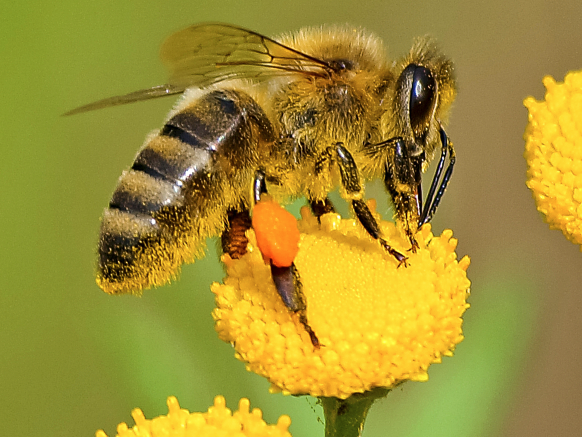
Bee stings, parasites, tics and fleas await your cat when they spend time outdoors. She can be exposed to bacteria and viruses from wildlife and outdoor plants. Other dangers include snakes, neighborhood cats and dogs and strays.
Ask your veterinarian about a flea control program. Off-the-shelf products may be toxic and ineffective. Also vacuum and change your cat’s bedding to help control fleas.
First aid advice: Avoid treating cuts and wounds with ointments or topical antibiotics. Your cat might be allergic to some ingredients and will lick the ointment and irritate the wound.
And cats can have an anaphylactic reaction to insect stings. If your cat has swelling of her face, paws or legs, take her to the veterinarian immediately.
Be aware of any changes in your cat’s behavior and talk to your veterinarian.
Heatstroke
Hot temperatures can make anyone uncomfortable. Heatstroke is scary. If your cat is panting, similar to a dog, call your veterinarian immediately.
Or if you notice difficulty walking or lethargy, call your veterinarian right away.
You can cool down your cat with warm water (not cold) on her ears, paws and belly, then use the fan to mimic sweat.
Animals most at risk for heatstroke are cats with kidney disease or asthma. Young kittens and older cats bare at risk because they can’t regulate their body temperature.
Signs of heatstroke:
- Rapid pulse
- Body temperature above 104 degrees Fahrenheit
- Lethargy
- Sweaty feet
- Stumbling
- Vomiting
Cat Parenting Tips: Quality of Life
Cats need to play. Exercise and mental stimulation will keep you cat happy. Veterinarians recommend 15 minutes of play time each day.
Feather chasing, tracking a string, or jumping to catch bubbles will make her a happy and healthy cat.
Cats need regular grooming. Regular brushing keeps down shedding and helps to prevent hairballs. An added bonus is that brushing keeps your cat cool. In a hot climate, it’s more important to groom your kitty.
Your cat will appreciate a professional grooming during the hot summer months.
Cats get bored. As social animals, cats enjoy human companionship.
If you work long hours, think about a cat buddy for your furry pet. A cat duo can stimulate each other with play time and interactive toys. Cat trees are important to socialize and energize your cat.
Volunteering for Pets in Need
I’m continue my work with a local animal rescue group, Bay State Animal Cooperative (BSAC) in the greater Boston area.
Springtime is the busy kitten season for BSAC. Kittens are in demand right now, and BSAC needs some extra hands to help process adoption applications. I volunteered for a training session on processing adoption applications.
BSAC is an all volunteer group. I love my role as a pet adoption counselor. What is not so easy is the vetting process for potential adopters. Our adoption counselor role is to determine the credibility of a potential adopter. People can look great on paper.
But we need to dig deeper. Our job is to ask questions and discover if the adopter can make a good pet parent. We call people, contact references, and review information on potential adopters.
We’ll learn to decipher fact from fiction as we talk to people. For example, if a person is looking for a declawed cat, we need to know if the person ever lived with declawed cats.
Red flags can make or break the adoption. While we’d love for each cat to find a forever home, we can’t let just anyone adopt a pet. We want to avoid rehoming pets whenever possible.
I’m happy to volunteer for BSAC and learn more about the adoption sector. The kitten adoption season runs into the summer. And it’s great to work and connect with other animal lovers.
Affordable Vet Care
Veterinary care is expensive for any pet. Many pet parents have trouble paying for vet care, especially emergency vet care for their pets. Is pet insurance the answer? Are there other options to pay for costly veterinary bills?
Traditional Pet Insurance
Here’s a reality check from one source about pet parents and pet insurance:
- In 2019, pet parents spent about $19 billion in vet bills, according to an estimate from the American Pet Products Association.
- There are approximately 164 million cats and dogs in the U.S. but only only 2.8% of them are covered by pet insurance. And 61% of Americans can’t cover a $1,000 expense.
- The average emergency vet visit can range from $250 to $8,000. An emergency vet visit can range from $100 to $150, even if it’s not an emergency.
BTW, the spotlight is not on the cost of emergency veterinary care – veterinarians are skilled animals specialists who use their knowledge to treat our pets. Vets apply the best technology around to save our furry friends.
Veterinary clinics provide a service, but they are a business with overhead and related costs just like any other business. The spotlight is on how pet parents can cover costs of emergency vet care.

Pawp: Alternative to Pet Insurance?
Recently, I found an interesting alternative to pet insurance called the Pawp Emergency Plan. One of my fave doggy sites, iHeartDogs shared a story about Pawp.
Pawp is different as a “first-of-its-kind platform offering on-demand and unlimited telehealth via a 24/7 digital clinic for pets and a $3,000 safety net for emergency vet bills. There’s also no deductibles, co-pays, annual limits, or reimbursement wait times with Pawp.”
The telehealth service is a great time saver. A veterinarian will confirm if your pet needs emergency care or not.
A 24/7 digital clinic is a good alternative for emergency vet care: Your pet can avoid the stress of going in their carrier. Also, not every issue will require a vet bill and $100 emergency visit – a relief for many pet parents.
Recognize and Treat Pet Anxiety
Separation anxiety is a growing worry for pet parents returning to the workplace. During the 2020 lock down, loving families adopted cats and dogs from rescue and shelter organizations.
Many rescue pets came from unknown pedigrees. But some breeds are more prone to separation anxiety. Breeds like the Alaskan Klee Kai, German Shepherds, Labrador Retrievers, Border Collies, Vizslas and Cocker Spaniels are just a few.

Dogs and cats suffer from anxiety. Signs to watch for include:
Cat anxiety: Excessive meowing, aggressive behavior, hiding, vomiting, lethargy, peeing outside the litter box and following you around the house.
Dog anxiety: Panting, drooling, aggression, pacing, depression, destructive behavior, and pee or poop around the house.
What are the myths about pet anxiety? What are the causes of pet anxiety? How can we help our pets struggling with anxiety?
Types of pet anxiety
One study revealed four types of separation anxiety. The best solution is to treat these four underlying reasons rather than see separation anxiety as a diagnosis.
The four main areas of distress are:
- A form of boredom
- Reacting to external noises or events
- Trying to get away from something in the house
- Wanting to get to something outside
Pet separation anxiety may be caused by incomplete or unsuccessful/traumatic puppy socialization, and underlying frustrations.
Help for Your Pet’s Anxiety
Helpful practices include:
- Never yell or use physical punishment on your pet when you come home to find a mess on the floor. Punishing your dog after the fact only exacerbates the problem.
- Try gentle petting before you leave for a short time. Another study revealed that gentle petting before leaving helped dogs stay calm and less stressed when their owner was away.
- Practice training your dog to relax during “separations” when you’re in one room and she’s in another. Move a short distance from her (while in the same room), return and reward her with a treat. Repeat at the same distance until she’s very relaxed. Gradually increase the distance until you’re almost out of the room. Give treats and praise when she stays relaxed and in place.
- Consider enrolling in a nose work class, which is a great way to help your dog build confidence.
- Ask your integrative veterinarian about calming nutraceuticals and herbs (valerian and rhodiola). Lion’s mane mushroom supplements have a profound calming effect that rivals some anti-anxiety medications.
Thanks for stopping by!
Dr. Pet Mom
“Each species is a masterpiece, a creation assembled with extreme care and genius.” –Edward O. Wilson