

Greetings! Welcome to the April edition of Dr. Pet Mom’s Delightful Pet Menagerie (DPM) Newsletter. This edition offers tidbits about fish, a small exotic animal often thought of as an”ornamental” or throwaway pet. But research showed that fish, dogs, cats and horses need similar TLC. Enjoy!
Pet Fish Rule in 11.1 Million Homes
According to the 2025 report from American Pet Products Association (APPA), 11.1 million U.S. homes are pet fish households. Freshwater fish are #3 behind dogs (#1) and cats (#2) in popularity.
And the Pet Food Manufacturers Association (PFMA) noted an increase in U.S. homes with fish pets from 2021 to 2022:
- 2021: 5 million U.S. indoor fish tanks (average 12 fish per household) and 4 million outdoor ponds.
- 2022: 8 million homes have indoor fish tanks and 6. 5 million U.S. households have outdoor ponds.
Goldfish have been raised for nearly 2,000 years, and 139. 3 million freshwater fish are kept as pets, more than any other type of animal. Freshwater fish are most popular (11.1 million) compared to 2.9 million saltwater fish.
Around 2.7% of U.S. homes have fish as pets, a sign of the importance of fishkeeping in the pet industry. According to the APPA, the aquarium market size in the U. S. was valued at $2. 59 billion (2017).
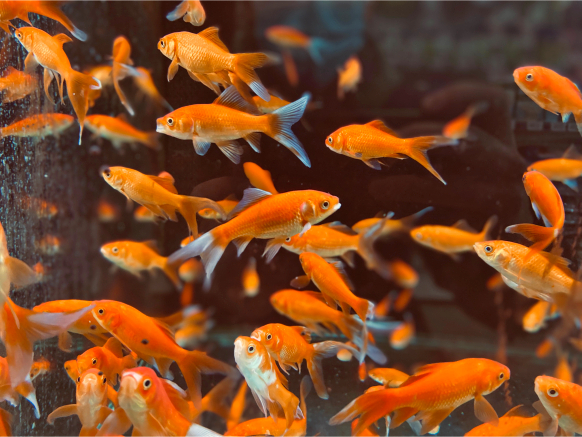
Fish Emotions
People are surprised at the popularity of pet freshwater fish. And many people think that fish are “ornamental”, office decorations, or throwaway pets. But did you know that fish get bored and depressed?
Your fish pet deserves the same stimulation, enrichment, and veterinarian care as any other pet family member. Your fish can show emotions, feel pain, and “talk” using a variety of communication methods that most fish pet parents don’t understand.
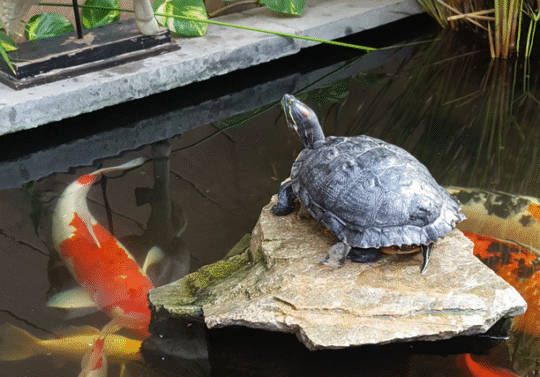
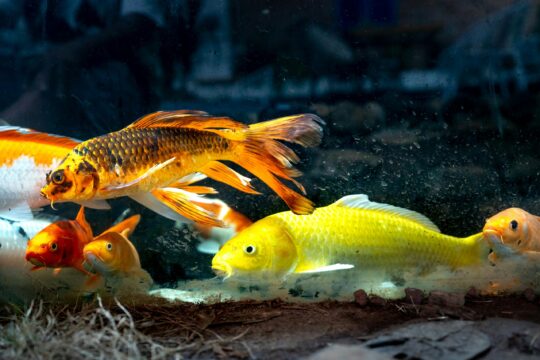
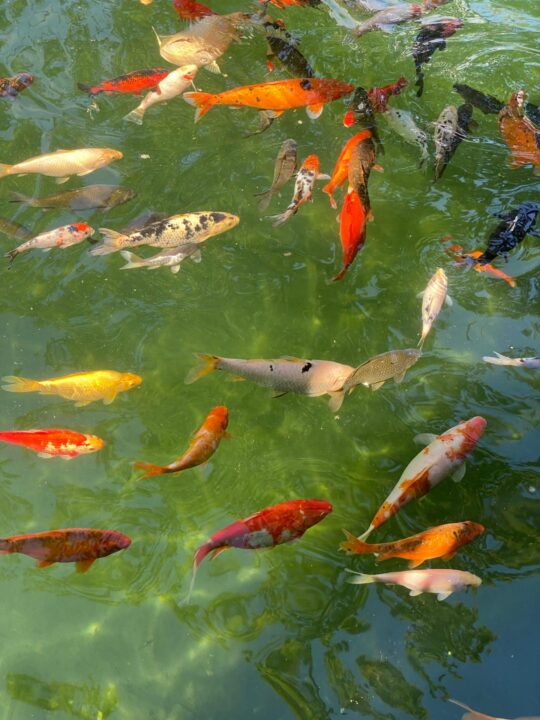
Over at the horse farm last week, I stopped by the greenhouse. The 100 foot tropical greenhouse is the home for Koi, turtles and Goldfish.
The larger Koi are at least 20 years old. I counted 12 fish living in this aerated indoor pond with continuous flowing waterfalls, sunning rocks, hiding places, and lots of sunshine.
Below are photos of the greenhouse and the festivities in the indoor fish pond.

Fish Veterinarians
I’ve watched the veterinarians give horses dental care, vaccinations, and treat other equine ailments. But when it comes to fish, most people don’t think of fish vet care.
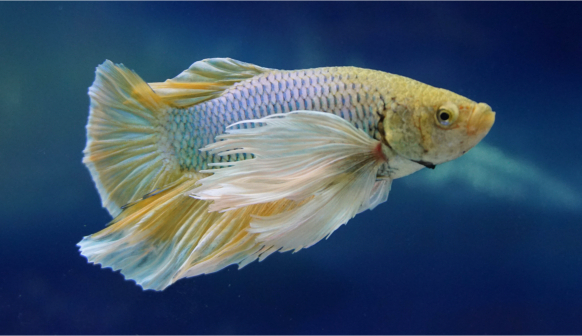
Lots of fish are unhealthy from diseases related to selective breeding in fresh water fish. Selective breeding is a powerful tool to create aesthetic features:
- Long fins
- Bubble eyes
- Round bellies
Selective breeding can also:
- Increase growth rates and aquaculture productivity
- Produce inbreeding, genetic diversity and unintended ecological impacts
- Increase unhealthy and disease-prone generations of freshwater fish
Lots of people don’t think about the “needs” of their fish. And many veterinarians may not know about treatment for fish and refer them to pet stores or unreliable online resources.
But a peer-reviewed journal, Clinician’s Brief suggested that the “concern for the welfare of pet fish may not extend past their perceived economic value.”
Fish hobbyists, retailers and veterinarian can all benefit from reliable and accurate education about fish medicine.
Bet you never heard of a fish veterinarian. Fish veterinarians are specialists in fish medicine. They work in aquariums, research, aquaculture, regulatory agencies, or teaching.
While there is no central resource for fish vets, the American Association of Fish Veterinarians (AAFV) was founded in 2013. It’s a great resource to find a fish vet in your area.
The International Association of Aquatic Animal Medicine and the World Aquatic Veterinary Medical Association include hundreds of aquatic veterinarians around the world.
What Makes Fish Complex?
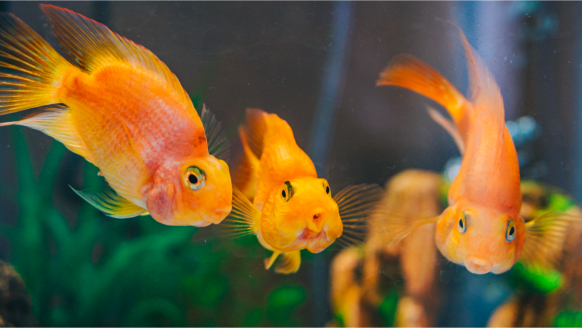
Fish are complex because of their cognitive skills and intelligence. The journal Animal Cognition reported some examples:
- Have excellent long-term memories.
- Cooperate with each another and also show signs of deception, manipulation, and low empathy.
- Use tools.
- Perform multiple complex tasks at once (a trait that was once believed to exist only among humans).
- Recall the location of objects using “feature cues” (which humans figure out how to do around age 6).
Many people don’t think of fish as complex animals. We can’t relate to them in the same way we relate to dogs or cats.
People might talk to their pet fish and enjoy watching them swim around the aquarium. But we lack empathy when we don’t feel a connection with our pet fish.
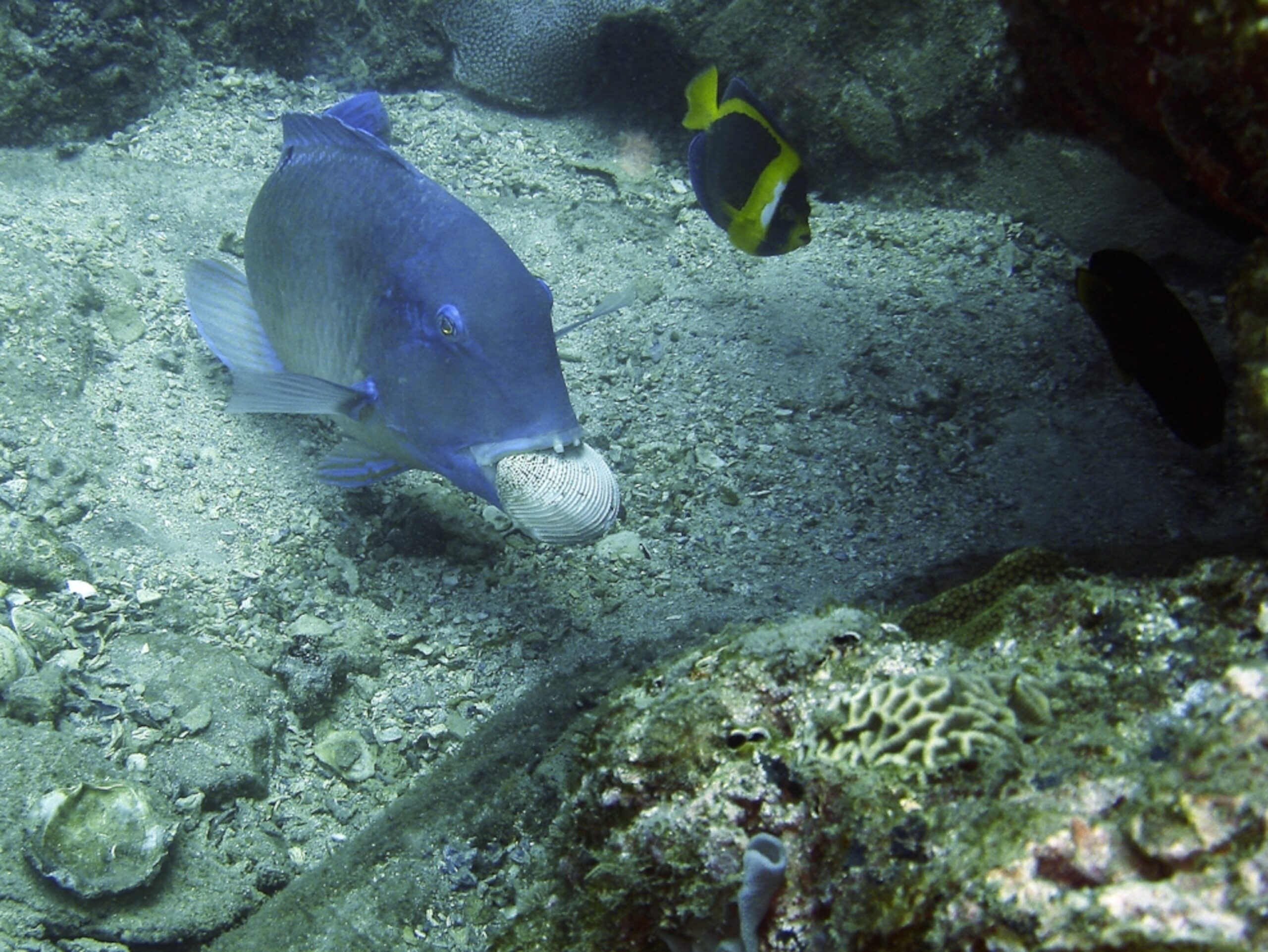
Relating to your fish can be complicated – but fish are similar to humans in many ways. Studies from the University of Portsmouth revealed that:
- Fish can be impatient. In experiments where fish had to wait for a light to come on at the opposite end of the tank before they could swim into a chamber to get food. If they swam in early, they were disappointed with no food, and had to start all over again. Researchers noted huge variations in their ability or desire to wait.
- Fish like the same drugs as human. Zebrafish are used to expose the abuse potential of new drugs including opiates, stimulants, alcohol and nicotine (something that has to happen before drugs are licensed). It turned out that fish loved them all.
- Fish feel pain. They show pain by rubbing their lips on the bottom of the tank, moving away, or increasing their respiration.
- Fish remember their friends. Zebrafish remember by smell, and retain their memory for 24 hours.
- Fish lose their memory with age. Researchers found that the older fish struggled to navigate a maze compared to younger ones. And when the researchers designed a virtual version of the task for humans, we found that people in their 70s showed exactly the same deficits as fish.
Happy and Healthy Fish
The most common mistakes fish owners make include overfeeding, mixing fish species, overcrowding, and using tap water in the aquarium.
With patience and TLC, you can keep your fish healthy and happy.
Good pet fish parenting includes understanding water quality, proper feeding, temperature control, monitoring fish behavior, oxygenation, lighting and filtration.
- Water Quality: Test the water for ammonia, nitrites, pH, and hardness. Minimal levels of ammonia and nitrites are best for most freshwater species.
- Proper feeding: Good feeding practices prevent water contamination and malnutrition. Feed in small amounts that fish can eat in 2-3 minutes. Change the diet for balanced nutrition and know that young fish eat more often than adults.
- Temperature control: Different fish species need a specific water temperature. Use a thermometer and aquarium heater. Avoid sudden temperature changes that stress fish.
- Fish behavior: Watching your fish is a proactive way to find health issues early. Healthy fish have clear eyes, good appetite and actively swim. Distressed fish have no appetite, are hiding and lethargic and have visible spots on their body.
- Oxygenation: Proper aeration ensures adequate dissolved oxygen levels. Plant life, air stones, or surface agitation all contribute to oxygen production.
- Lighting: Lighting should mimic natural day and night cycles. Avoid excessive light exposure to reduce algae growth.
- Filtration: A high-quality filter removes toxic chemicals, debris and harmful bacteria. Choose a filter based on tank size and fish load and replace filter as needed.
Closing Thoughts…
Fish are small exotic animals who deserve the same care as any large animal. Care means not exposing fish to loud noises, changing the tank water biweekly, providing a safe and uncrowded living space, and finding a good pet sitter when you’ re on vacation.
Thanks for stopping by!
Dr. Pet Mom
“If wishes were fishes, the world would be an ocean.” ~~ Jim Ross
An amazing article Dr. Pet Mom! I never knew that fish had these traits. Wonderful information and another excellent column…thank you!