
Hello! Welcome to the October edition of Dr. Pet Mom’s Delightful Pet Menagerie (DPM) Newsletter. This month is all about a wonderful program for feral kitties. Learn how working cat programs give kitties a second chance for a new life. Enjoy!
What is a Working Cat?
I love programs that help homeless animals find furrever homes and help people in their communities. Feral cats are common in many rural and urban areas. And many are euthanized in overcrowded shelters.
Creative and exciting new programs for working cats are popping up in cities and rural areas. These programs benefit from the relationship between cats and rodents: Cats are natural predators and rodents are their common prey.
Working cat programs capture, sterilize, microchip, ear-tip and vaccinate feral kitties. Then the kitties are relocate to homes and businesses to monitor and control rodent populations.
You can recognize feral cats by their clean, well-groomed, and shiny coats. A working cat is a healthy pest control alternative to harsh chemicals and outdated traps. Working cat programs save kitties who might otherwise end up in shelters.
Rodent Repellent: The Scent of a Cat
Feral cats are often ignored because they are not socialized. Unfriendly kitties are one reason why feral cats are hard to adopt.
But organizations like the Voice For Animals Foundation created a working cat program for businesses, farms and first responders that have rodent problems.
Any area that stores grain, paper, food or equipment is an invitation for a rodent colony. Warehouses, barns, wineries, restaurants and shops are places with potential rodent populations.
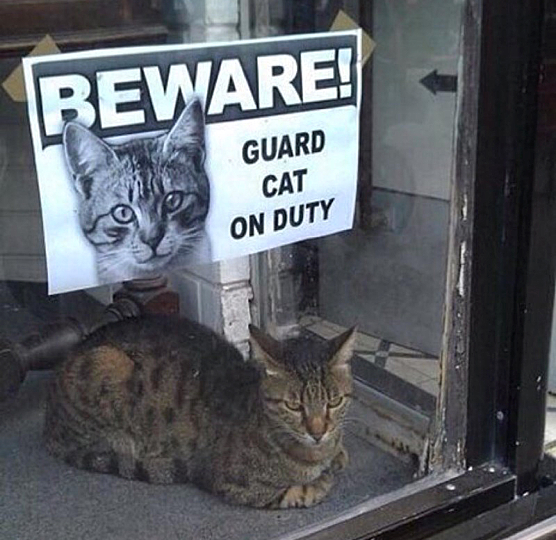
The success of the working cat program is simple: Rodents are repelled by the smell of cats. One whiff of the cat and rodents leave the site.
Rather than using traps, traditional extermination methods, and poison on rodent populations, the smell of a cat is a strong repellent for rodents.
What a perfect example of the natural predator-prey relationship in action!
Win-Win for the Community
Working cats are winning hearts and new friends. These cats enjoy roaming around a warehouse or barn as they control rodent populations in their communities.
In return, business owners help socialize feral cats, give kitties a home and keep them off the streets. Working cats interact with employees and enjoy a safe and permanent home for the first time in their lives.
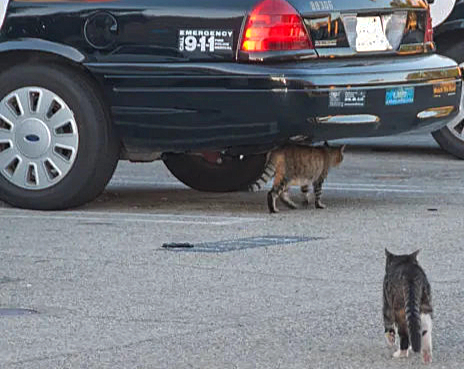
For example, the Los Angeles Police Department’s Southeast Division has six working cats and the Central Division also adopted a feral cat group.
Outdoors, rats burrowed into equipment bags stored in cages for bicycle officers. Indoors, mice would scurry across peoples’ desks.
Working cats don’t always kill rodents, but will do so if they catch a rodent. Again, the scent of cat urine is enough to keep rodents off the premises.
The rodent problem is quickly resolved. And police department staff are happy to feed, house and keep their kitties safe.
Adopting a cat from a working cat program is a commitment. As with any adoption, pet caregivers are required to provide for the minimal needs of their working cats:
- Fresh water and two meals a day.
- Cozy spots for napping. Provide enough space for kitties to relax and feel comfortable.
- Safe housing as kitties adjust to a new home. The adjustment time should be two weeks minimum, but four weeks is best.
- A second chance to enjoy life off the streets.
- Regular veterinary care as part of your long term commitment.
Many feral cats are used to living in feral communities. Working cats thrive when they live with at least one other cat.
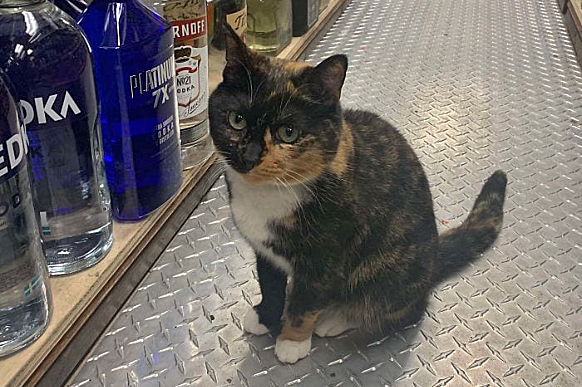
Jobs For Working Cats
Working cats can thrive in all kinds of places:
- Barn, homes, equestrian farms and stables: The Working Cat Project in Kentucky, placed 518 cats into 231 barn homes in October, 2023.
- Vineyards and wineries: The Black Cat Vineyard in Napa Valley employees 13 winery cats prowling over the 20-acre vineyard. These kitties control rodents and gophers in the vineyard.
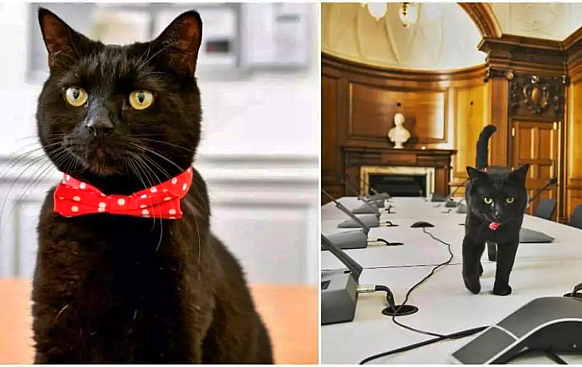
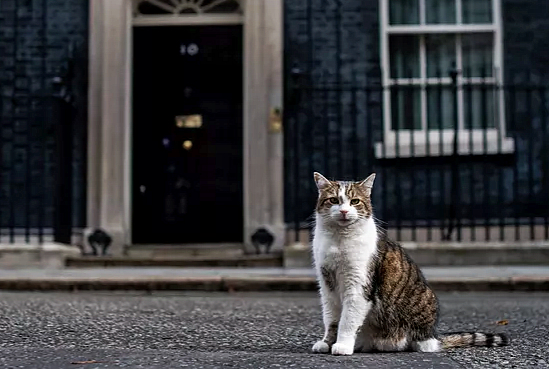
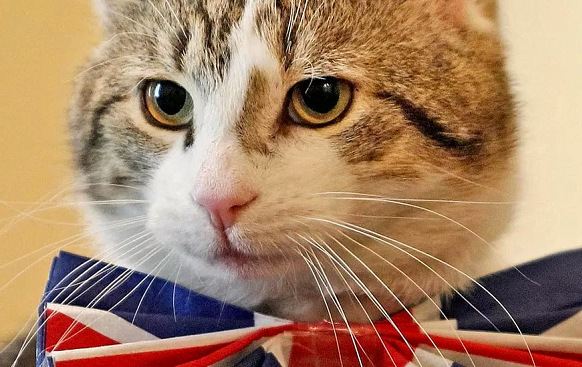
- Warehouses, greenhouses, public buildings: You may have heard of Gladstone, the popular mouser in His Majesty’s Treasury in Whitehall, London. Felix and Bolt are working cats who patrol the Huddersfield railway station in Yorkshire, England. And Palmerston and Larry are the mousers in the Foreign Offices also in Whitehall.
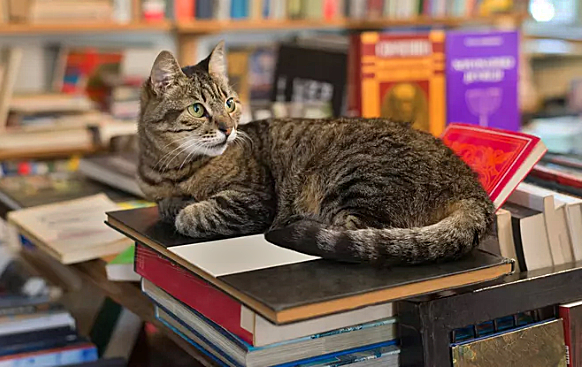
- Libraries, churches: Browser is the official Library Cat for the White Settlement Public Library in Texas. Koukla and Pontiki are working cats for the St. John the Baptist Greek Orthodox Church in Law Vegas.
Closing Thoughts on Working Cats
Remember that working cats are not house pets. Outdoor or feral cats are wary of people and are extremely stressed when confined.
Working cats are high energy, independent, and prefer living with other cats.
These cats can thrive in open areas where they can patrol and practice their predatory skills controlling rodent populations.
If you’re looking for a house pet, a stray cat will meow, return eye contact and will have a scruffy coat. Stray cats are not feral cats.
Thanks for stopping by!
Dr. Pet Mom
“People who really appreciated animals always asked their names.”
–Lilian Jackson Braun
Book Update for October 2023
We’re in the middle of the fall season. Hope you’re having a great one!
After a few hiccups, I stepped back to help my family. The good news is that in November, I will publish my short ebook based on Dr. Pet Mom’s Delightful Pet Menagerie (DPM) Newsletter.
I’m excited to share these updates with you!
“I guess there are never enough books.”
–John Steinbeck
I always learn something new when I read the Pet Menagerie Newsletter. The story about Working Cats was wonderful and an eye-opener. Enjoyed it immensely…please keep up the great work!
Thanks for your comment, Lou! The Working Cats program is a wonderful idea. I’m so happy that ferals kitties are finding their furrever homes! 🙂