Happy 2024! Welcome to the January edition of Dr. Pet Mom’s Delightful Pet Menagerie (DPM) Newsletter. Let’s turn the page to start the new year and look at life from our pet’s point of view. This edition is all about animal pet peeves about their humans. Enjoy!
Animal Pet Peeves
As much as our pets love us, we do things to annoy them. Loud noises, picking them up, and not paying attention are behaviors that annoy any pet.
Pet parents can annoy their pets in subtle, conscious and unconscious ways. For example, some animals don’t like to be picked up, even though we love to hug our kitties, rabbits and smaller animals. Our behaviors to show our affection can frighten or make our pets anxious.
But no worries – pet parent awareness can keep our pets happy and lower our pet’s annoyance level.
Let’s talk about the top 5 pet peeves that annoy your dog, cat, horse or rabbit.
Your Dog’s Pet Peeves
Our pets reach their limit: They just get tired of us humans. Your dog has personal boundaries. When we step across the line, they let us know.
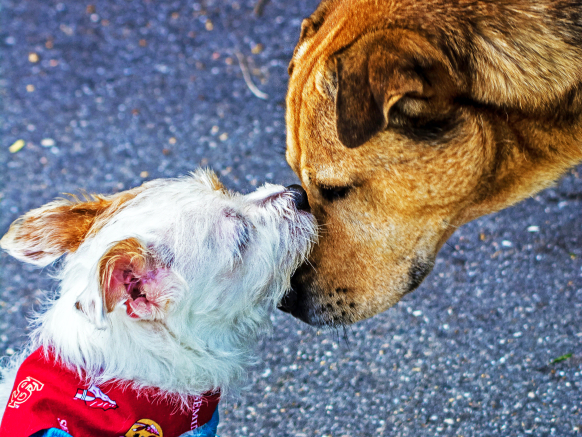
Here’s a list of pet peeves that dogs have about humans:
Pet Peeve No. 1: Walking Too Fast
When you and your dog are out walking, it’s a time for adventure and fun. Your dog needs time to literally smell the roses, greet other dogs, and enjoy their walking experience.
If you walk too fast for your dog to have fun, she will be annoyed with you. Try to be present in the moment with her. Let her control the pace.
I often see pet parents and dog walkers walking too fast, especially with small doggies.
Stop and think about how your dog is experiencing the walk – imagine the world from her eyes.
Let your dog enjoy your company and have fun exercising on your daily walks.
Pet Peeve No. 2: Talking Out of Context
Your dog likes to hear your voice. But even a kind voice is hard to understand when you talk to your dog out of context.
When talking to your dog, add in a gesture or pet him so that he understands your words. If your dog responds to a command, give him a noggin pet or rub his ears.
Our pets are not listening, but it’s how we talk to them that matters.
Add some action to your words. Your dog will be much happier and less confused.
Pet Peeve No. 3: Too Little Attention
Life makes us busy and sometimes we forget to focus on quality time with our dogs. Bad habits can appear when your dog is bored, lonely and feels like you are ignoring her needs.
Your dog knows when you’re not paying attention: when you’re talking on the phone, pulling too hard on the leash or walking too fast.
When she picks up a toy, grabs the leash or nudges you for some attention, be there in the moment.
Step away from your project or give her some of your time.
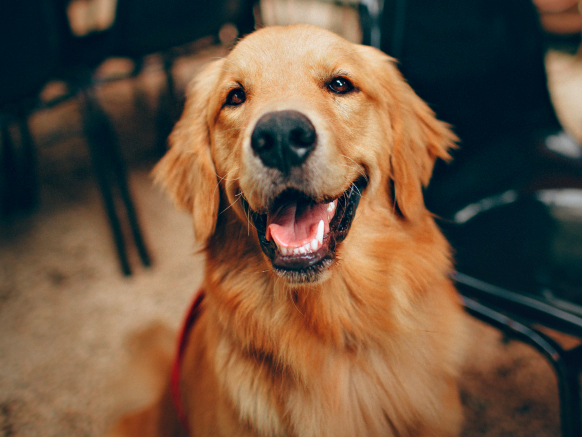
Pet Peeve No. 4: Too Much Teasing
There are different forms of teasing: playful and hurtful. Playful teasing is teasing with someone close to you. Hurtful teasing is when you tease your dog with a toy or treat and then not let her grab it.
People don’t really like teasing and dogs are no different. Your dog has to win sometimes or he won’t feel like playing anymore. She might become aggressive and play might feel like punishment.
Be playful and limit teasing your dog.
Pet Peeve No. 5: Hugging A Dog
Hands up if you’re guilty of this one! I tend to hug dogs I know – it’s a habit of overjoy. Yes, I’ve been growled at by my favorite doggy pals. But I foolishly thought they were just in a bad mood. Not.
A study showed that 82% of dogs being hugged were stressful.
Hugs make people feel better. Many dogs tolerate hugs but they don’t necessarily like them.
OK, making a promise to be more alert about hugging dogs. I’ll remember that each dog is different, and will respect their wishes.
Avoid upsetting any dog with an unwanted hug. Petting the chest, back or scratching the ear are better choices.

Your Cat’s Pet Peeves
Here’s a list of pet peeves that cats have about humans:
Pet Peeve No. 1: Loud Noises
Many animals don’t like loud noises from fireworks, thunderstorms, loud TV commercials or family arguments. Cats are very aware of activities in the home. Sudden and loud noises are stressful.
Avoid picking up your kitty when she’s stressed. It’s not a good idea – a scared and confused cat may scratch or bite you.
Instead, try to keep your cat away from noises by creating a quiet space for comfort. A box, a safe hiding place or a room with white noise (low volume TV) can help reduce stress.
When you stay calm, your cat will respond in kind.
Pet Peeve No. 2: A Dirty Litter Box
Cats are clean creatures. It’s been said that cats despise any changes in routine. If you don’t change the litter box regularly or if you change the type of litter box they are use to, expect surprises around your house.
Your cat might pee on the walls, floors, doors, anywhere but the litter box. I know one person whose cat pees in the litter box, but “does his business” all over the house. Daily clean up must be a nightmare.
Keep your kitty happy with a clean litter box.
Pet Peeve No. 3: Being Stepped On
Cats have a very sensitive tail and it hurts if we step on it. My cat easily blends into the background.
I have to step lightly to be sure I don’t nudge him, bump into him, or step on his tail.
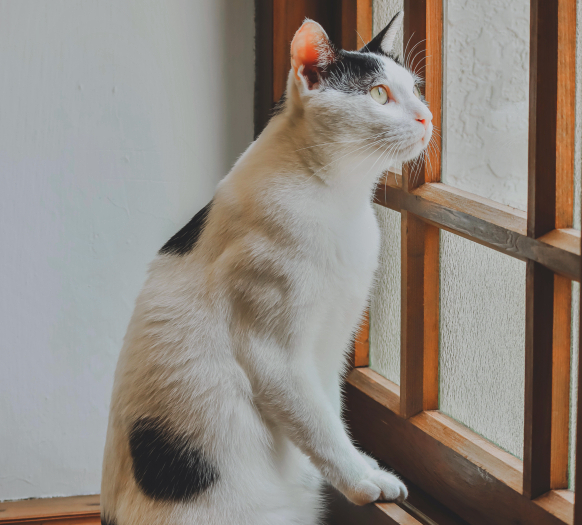
Pet Peeve No. 4: Too Much Or Too Little Attention
Many cats don’t like to be picked up and too much petting annoys them. So how do you keep a cat happy?
Wait for your kitty to come to you. When she wants attention, she will let you know. The next time your cat greets you at the door, give her a quick pet and say hello.
When she wants alone time, your cat will find her favorite hiding place.
Pet Peeve No. 5: Taking Medicine or Brushing Their Teeth
Sooner or later, cat pet parents will have to give their cat some type of medicine. As kitties age, they may need daily or weekly medications. Remember that cats hate taking medicine in any form.
Pills are very difficult because cats can spit them out, or foam at the mouth because of the bad taste. Cats don’t completely swallow tablets and capsules, causing irritation and esophagitis.
You can try to hide pills in treats like a Pill Masker, a soft and pliable paste that you can wrap around a pill. It smells like bacon and kitties enjoy the treat.
Cats can get very annoyed when you brush their teeth. So annoyed that they can scratch or bite you.
I brush Oscar’s teeth about every other day. A round toothbrush coated in one of his fave treats, coconut oil does the trick most of the time.
He still gives me the “paw of protest” (no bites or scratches) when I spin the toothbrush across his gums and teeth. But the coconut oil makes him tolerate brushing, most of the time.
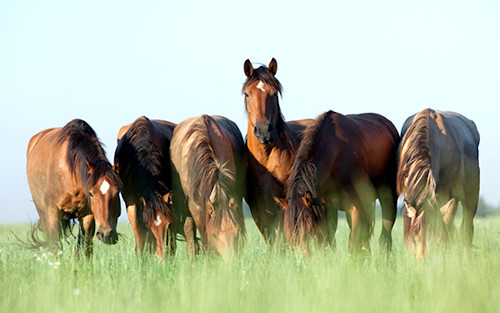
Your Horse’s Pet Peeves
I’m reading a book called The Tao of Equus: A Woman’s Journey of Healing and Transformation through the Way of the Horse by Linda Kohanov. The last time I rode a horse was way back when. I tried to be brave, but I knew the horse could feel my fear.
So when this book popped up on my Kindle reader it was like a magnet. If you want to understand the heart and soul of a horse, this book is a wonderful read.
Pet Peeve No. 1: Boredom
Horses can get bored just like humans. Riding the same trails over and over, spending too much time in their stalls or no changes in routines can make a horse irritable.
Bad habits like cribbing (grabbing a solid, wood object like a fence or stable door with its top incisor teeth) or pacing in their stalls happen when your horse is bored.
Give your horse stall toys like a carrot feeder toy, a horse jolly ball, or a treat ball hay feeder. Any activity to stop boredom is a great way to keep your horse happy and challenged.
You can even teach your horse tricks like touching a traffic cone, soft toy or a ball. From the touch trick, you can try fetch, hug or other things.
Pet Peeve No. 2: Poor Fitting Tack
Horse tack is any equipment (saddle, saddle pad, stirrup leather and irons, lead rope), or accessories.
When your tack is ill-fitting, your horse will feel it. And each horse is different so your tack must be properly fit to keep your horse happy.
For example, tack that is too small or too big will cause soreness, irritation and discomfort for your horse. Bridles and saddles that don’t fit can cause behavioral problems as well.
One critical tack are horse shoes. They come in a variety of styles depending on your budget and the horse’s:
- Workload
- Activity level
- Health of the hoofs and legs
- Body shape
- Discipline
Along with good horse shoes is working with an experienced farrier, a hoof-care professional. Look for these qualities in a talented farrier:
- Works well with veterinarians, trainers and owners
- Kind and patient with animals
- Understands hoof care choices
- Answers your questions honestly
- Takes time with your horse
Here’s a link to find farriers around the world. And here’s a guide to know what tack you need for a horse.
Pet Peeve No. 3: No Time Off
Horses enjoy learning new things but don’t overdue things. A regular training schedule will set the boundaries and avoid behavioral problems.
Mentally, over training creates stress and your horse will act out. Your horse can dislike training sessions and associate you with any unhappiness.
Physically, over training puts a strain in ligaments and joints which can lead to injury.
And remember that breaking up the training keeps your horse fresh and interested in exercising. Schedule days off and change ups in their training sessions.
Horses love moments of peace. Horses enjoy doing nothing. And you should design nothing time into your training sessions. Without scheduled time outs, your horse can stop responding during a training session.
Keep your horse happy with moments of peace!

Pet Peeve No. 4: Loud Noises, Fast Movements, and Cars
Loud noises and sudden movements are scary for many animals. Loud noise or quick movements may be signs of danger. Horses spook at loud noise if they don’t know the cause of the noise.
Fireworks or opening a bag of chips can scare a horse. They will likely bolt to try to get away from the loud and sudden noise.
But you can train your horse to ignore loud noises. Slowly introduce sounds until your horse is desensitized to them.
When it comes to movements, a standard rule in any barn is to not run in the barn aisles. Fast and sudden movements can be a threat to horses. Always approach them with caution.
Passing cars are just as scary for a horse who lived on a farm or quiet pasture and now lives in a city. Cars, trucks, honking horns and fast movements can make a horse bolt.
Pet Peeve No. 5: Misreading Your Horse’s Body Language
Misreading your horse’s body language is a big pet peeve for any horse. Let’s take a look at the main peeves:
- Not understanding the horse’s body language.
- Sloppy and uncoordinated horsemanship.
- Riders who are confused and repeat the same mistake.
- Riders with bad timing.
- Riders who don’t know how to be in charge.
If you know anything about animals, and especially horses, you should know they talk to us with their body language. Horses use their eyes, body, tail, legs, ears and mouth to express their emotions.
Body language will reveal if your horse is happy, nervous, tired, bored or angry. If you don’t understand your horse’ body language, you’re putting your horse, and yourself at risk.
For instance, just like any animal, if you keep bothering your horse when she’s upset, you may get kicked or fall off when your horse takes off.
If you truly want to connect with your horse, learn their body language when you’re on the ground or in the saddle.
Your horse will bond with you and show you their affection. Build a strong relationship with your horse and take the time to understand how she feels.
Poor horsemanship is very annoying to horses. If you’re constantly pulling on the reins or unbalanced in the saddle, you and your horse will be uncomfortable.
If you don’t know how to ride, ask around for a humane horse trainer, a horse trainer who understands how to get inside your horse’s mind to help you create a deep and profound connection with your horse.
Keep your horse happy. Learn how to ride properly, balanced and with confidence. Best to avoid annoying your horse.
When you keep repeating the same mistake, your horse knows that you are confused. Your horse understands your thoughts and feelings. If you’re feeling confused, your horse will know that your mind is addled.
When you think about and tell your horse what you don’t want him to do, instead of directing him to do what you want him to do, you are stuck on a problem.
Confusion is another moment for you to step back and clear your mind. Visualize what you want your horse to do, focus on your desired response. Your horse will connect and respond in kind.
Focus your mind and feelings on what you want from you horse. Block out what you don’t want.
The rider’s bad timing means that you and your horse are out of balance. Your horse can be tired, cranky or bored – your horse is feeling what you are feeling.
Timing means balancing your horse’s behavioral with your feelings. Balance means that your are paying attention and watching how your horse is feeling.
For example, your horse may be in pain from a poor saddle fit. Or maybe she’s not in the mood for a training session and just needs some time out to do nothing.
Your random movements in the saddle can confuse your horse. Following your lead, their movements also become random.
Try to retain balance by timing your responses to our horse’s behavior. This process can strengthen your relationship with your horse.
Horses are herd animals and want to feel secure. Horses feel secure when their rider is confident and in charge.

Being in charge means you are consistent, quiet, predictable and fair. These qualities in a rider are critical to avoiding obedience and behavioral problems in a horse.
For example, connecting with your horse includes groundwork, walking beside your horse, or understanding that your horse’s power comes from the hind end. Disengaging from the horse’s hind end makes them focus and face you.
Why? Because disengaging from the horse’s hind end is the emergency brake for the rider. The horse will change direction, refocus and instantly removes the power from the hind end.
And disengaging the hind end stops your horse from bucking, rearing or trying to drag you.
Stopping these behaviors shifts the focus on you and your horse feels confident and secure in your leadership. Clearly, a lifesaving practice for any skilled rider!
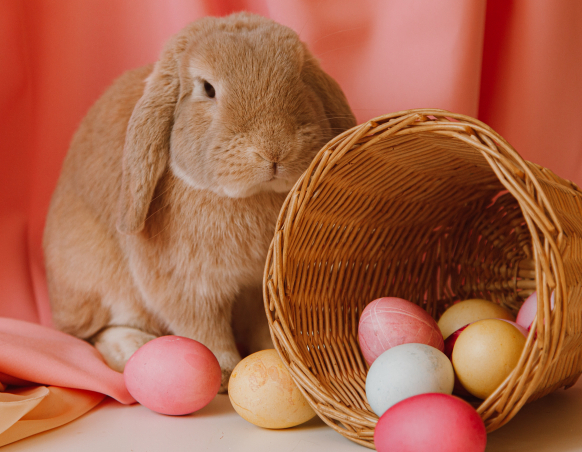
Your Rabbit’s Pet Peeves
February is the official Adopt A Rescued Rabbit Month and 2023 was the Year of the Rabbit. In the small animal category, one source listed rabbits as the second most popular pet behind gerbils (#1).
Remember your pet parent due diligence before you adopt any type of pet. And learn about your rabbit’s pet peeves before adopting one.
Pet Peeve #1: Being Alone
Rabbits are very social creatures and don’t like to be alone or live in isolation. Avoid keeping your rabbit in an outside enclosure.
And if you’re away from home for many hours every day, consider adopting another bunny. Your rabbit will have a friend and will feel safe and happy while you’re away.
And let your rabbit rearrange her living space. Rabbits will rearrange their toys and hiding areas in their enclosures regularly – it makes them feel safe and secure.
Rabbit’s Pet Peeve #2: Being Confined To Small Spaces
Rabbits need and enjoy daily exercise outside their pen or enclosure. They love to run around and hop on things.
Rabbits love to run and twist in the air. They should roam free in a bunny-safe area closed off for daily exercise. Exercise helps digestion and prevents weight gain.
Rabbits are great escape artists and need regular supervision outside the cage. House train them and give them lots of toys.
In nature, rabbits seek shelter and burrow complex tunnels to avoid predators. If your rabbit is hiding under a couch, leave them be. They are in a safe and comfortable place.
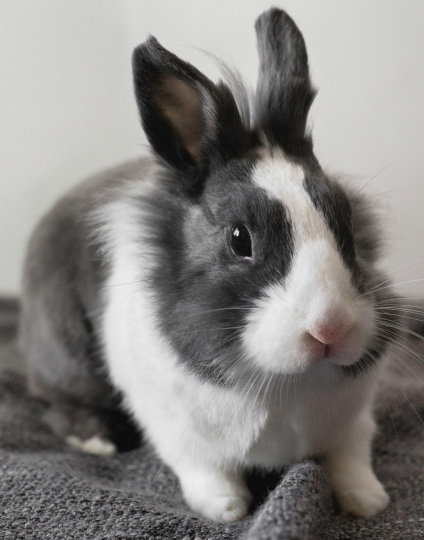
Pet Peeve #3: Water
Rabbits don’t need a bath. They can swim but swimming is a survival strategy to evade predators. Rabbits are prone to hypothermia because they can’t control their body temperature.
Domestic rabbits prefer dry land and self grooming to stay clean and smelling fresh.
Also, rabbits need a dry nose. A wet nose causes respiratory problems. And water makes their ears droop, also a sign of illness.
Pet Peeve #4: Being Chased and Picked Up
Chasing your rabbits makes them anxious and nervous. Sometimes they run from you for fun. But attract then with a treat instead of chasing them.
If you have small children, teach them to not chase the rabbit. You can even scare your rabbit to death because chasing reminds them of predators.
Rabbits prefer solid ground underneath versus being picked up. They may feel captured or dropped.
Standing over her, picking up and carrying your rabbit makes her think a predator caught them – a very scary thought.
You can slowly gain your rabbit’s trust by approaching your bunny from the side so he can see you clearly. Then slowly come down to floor level.
Pet them on their head, ears and nose, but not on their rear end. Petting the rear end makes your rabbit think a predator is grabbing them.
Pet Peeve #5: Loud Noise and Heat
Rabbits can hear from 360HZ to 49,000 HZ compared to human range between 64HZ and 23,000HZ.
Rabbits can detect sound from about two miles away and they swivel their ears independently to capture sounds from different directions. They have an extensive range of hearing.
Loud banging, screaming, glass breaking and household appliances will scare your bunny.
You can desensitize your rabbit by introducing sounds regularly, for a few minutes, to help your bunny get used to the noise. Keep your cellphones, TVs, and tablets volumes low to avoid scaring your rabbit.
Rabbits don’t like the heat. In the summer months, keep them in a cooler, well-ventilated areas.
You can also place frozen bottles of water in their enclosures so your bunny can rest and stay cool beside them.
Closing Thoughts…
I truly love learning all I can about helping animals. As a bipetual person, I like dogs and cats. Horses and rabbits are also some of my fave animals.
Learning about what we do to annoy our pets is an eye opener for me. I love hugging dogs, my kitty Oscar and other animals who let me hug them. I thank the animals for letting me hug them, even when it annoys them.
Sources:
Pet Peeves: Seven Human Habits Dogs Can’t Stand
The Data Says “Don’t Hug the Dog!”
Pet Peeves: 3 Things Every Cat Truly Hate
8 Things Horses Dislike & You Should Avoid Doing
10 Things Horses Dislike More Than Anything
What Are Rabbits Afraid of or Hate (Dislike)?
14 Things Rabbits Hate
Thanks for stopping by!
Dr. Pet Mom
“A lover will give you a kiss, a friend will give you a hug, but a dog will give you her heart.”
–Unknown
2024 Book Update
Happy New Year! For me, the new year officially starts in February: It’s my birthday month with an extra day of celebration on February 29!
And I’m finally publishing my short ebook based on Dr. Pet Mom’s Delightful Pet Menagerie (DPM) Newsletter.
I’ll share the link when it’s live on Amazon. My book is free and you can download a copy on your Kindle anytime. Please stop by and take a read. Your comments and reviews are welcome!
“Reading one book is like eating one potato chip.”
–Diane Duane
Thanks, Dr. Pet Mom…another excellent read! I have two cats, so this information is very helpful.
Please keep the newsletters coming…I look forward to reading them every month.