
Greetings! Welcome to the April edition of Dr. Pet Mom’s Delightful Pet Menagerie (DPM) Newsletter. We’re in the middle of the spring season, and it’s a great time to celebrate our pets. Be Kind To Animals Month starts in May. Enjoy, celebrate and be kind to animals everywhere!
History of Be Kind To Animals Month
Be Kind to Animals Month is another chance for you to show compassion and respect for all animals, big and small. This special month highlights the importance of treating animals with respect for the natural habitats.
One source reminds us that throughout history, humans have lived with animals across the planet. Animals remain a key part of our history as our companions, as we observe them in the wild, and as working animals.
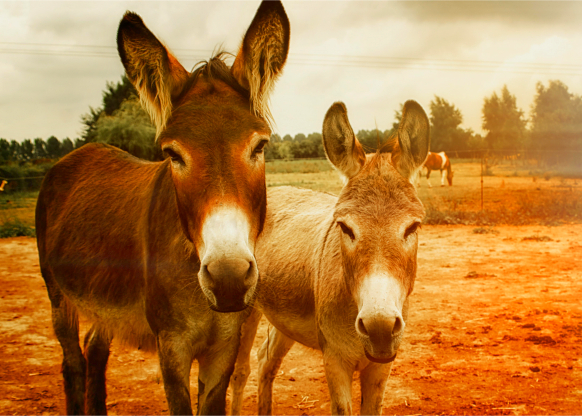
Humanity’s inability to share natural resources with many animal species has led the the extinction of some species. Excessive hunting and population growth are examples that impact the survival of many animal species.
The Animal Welfare Act
While many animals have helped and saved the lives of humans, we played a key role in promoting their extinction. To correct this unfortunate imbalance, organizations to protect animals appeared.
For example, the American Society for the Prevention of Cruelty to Animals (ASPCA) is the first animal protection organization to be established in the U.S. in 1866. The ASPCA was an outgrowth from the Cruelty to Animals Bill in 1809.
The Animal Welfare Act (AWA) became law in 1966. The AWA is the only Federal law in the United States that regulates the treatment of animals in research, teaching, testing, exhibition, transport, and by dealers.
The AWA is enforced by the U.S. Department of Agriculture (USDA). Regulations are also monitored by the Animal and Plant Inspection Service (APHIS) and Animal Care under the USDA.
The AWA also requires principle investigators and scientists to consider animal use alternatives to procedures that may harm or cause pain to animals.

Researchers must provide a written narrative to their Institutional Animal Care and Use Committee (IACUC) that describes the methods and sources (e.g. the Animal Welfare Information Center) used to determine that alternatives were not available.
Researchers are also required to provide written assurance that their activities do not unnecessarily duplicate previous experiments.
Why Animal Kindness is Important
A few final reminders why animals are important:
- Animals are sentient beings. And animals feel emotions including joy, pain, sadness, and grief. We feel our sadness and pain, but we ignore the pain that animals feel. Humans need to respect animals and treat them with kindness and compassion.
- Animals make us better humans. Caring for animals shows the goodness in our hearts. We become better people.
- We need to spread awareness about kindness to animals. When we spread awareness, we help create regulations that punish people who are cruel to animals.
- Animals make the best friends. We have heard countless stories about the ways that animals change the lives of humans. Bob the Street Cat and Marley the dog are two examples. Animals save our lives and deserve our kindness.
Be Kind to Animals Week
Do you know which week is the oldest organized awareness week in U.S. history? It’s Be Kind to Animals Week in the first week of May. And it’s the country’s longest-running humane education campaign.
American Humane Association created this event on the calendar in 1915 but the US Congress only passed the official resolution in the 1990s!
Here’s a list of ways to celebrate:
- Adopt a pet from a shelter or rescue. Start with a visit your local rescue group or shelter. And here’s a link to help you find the best pet for you.
- Appreciate wildlife. Create an inviting space in your garden for butterflies, hummingbirds and other creatures. If wildlife (raccoons, deer, bats, squirrels, rabbits) come too close to home, here’s some ideas to protect your garden humanely.
- Take care of your pets. Be a responsible pet parent. Keep your pets healthy, safe and vaccinated. Make sure they wear proper identification. Remember your pet’s annual vet visits and recognized signs of illness.
- Report animal abuse. Animal abuse is tragic for animals and also indicates other forms of abuse. If you see an act of animal cruelty or something suspicious, let someone know. Contact your local animal control, law enforcement, or humane organization.
- Commit to 365 days of kindness. Monthly support for your local rescue or shelter is a great way to show kindness to animals. Your contribution to groups like American Humane helps them rescue animals in hurricanes, floods and wild fires. Your kindness can stop puppy mills, can give K9 heroes lifelong healthcare, and can reunite our brave retired military dogs with their handlers.
Thanks for stopping by!
Dr. Pet Mom
“The way you treat the animals around you will be the nature of the animal within you.”
–Sir P.S. Jagadeesh Kumar
2024 Book Update
April is a month for renewal and clearing away the cobwebs. I’m near completion editing my Dr. Pet Mom’s Delightful Pet Menagerie (DPM) Newsletter book. Next step is to send it off to my graphic designer to update the book cover. May looks like a great month to publish a book!!
“Fill your house with stacks of books, in all the crannies and all the nooks.”
–Dr. Seuss
Another excellent newsletter from Dr. Pet Mom, and very informative. Thanks so much!
Hi Lou,
Thanks for stopping by. Enjoy you caturday with Cora and Puffy!