

Greetings! Welcome to the May edition of Dr. Pet Mom’s Delightful Pet Menagerie (DPM) Newsletter. Warmer weather feels like a great time for the best traveling tidbits for your pet. Enjoy!
Commencement, weddings, cookouts and outdoor festivals are in the air! Summer time is near and you and your pet will want to spend more time outdoors. Now is a great time to start making travel plans for your pet.
Basic Pet Traveling Tidbits
Traveling with your pet can be stressful for your pet and your family. You can ease the process with a few basic pet traveling tidbits.
If you travel by boat, train, bus, or airline, be sure to check their requirements for pets. Also talk to your veterinarian.
For any domestic travel, also check the requirements for bringing pets across state lines. For example, Hawaii is a rabies-free state with strict quarantine laws for any pets. Best to research before you visit.
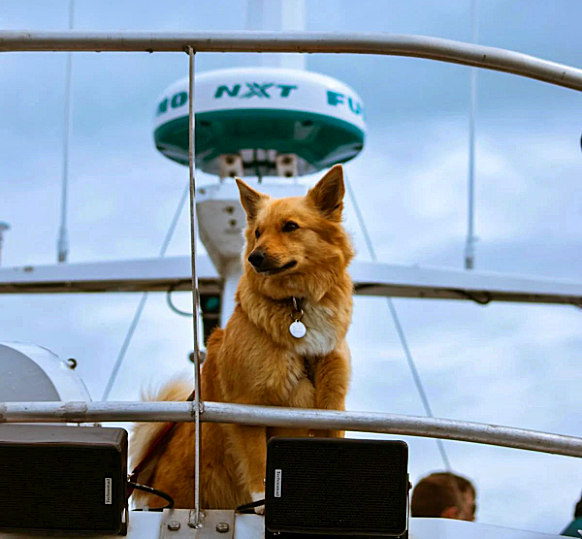
Dog Road Trips
Before you hit the road with your pet, plan ahead for long or short trips. Take your pet on a series of short drives, like a quick ride around the block. Then slowly increase the amount of time spent in the car.
Bring your pet’s medical records (proof of vaccinations, medication, health condition) and keep them in your pet first aid kit. Also, be sure to microchip your pet.
Keep plenty of water, bowls, food, grooming supplies, and waste bags on hand. Feed your pet 3-4 hours before leaving on your trip. Feed early to prevent vomiting or car sickness.
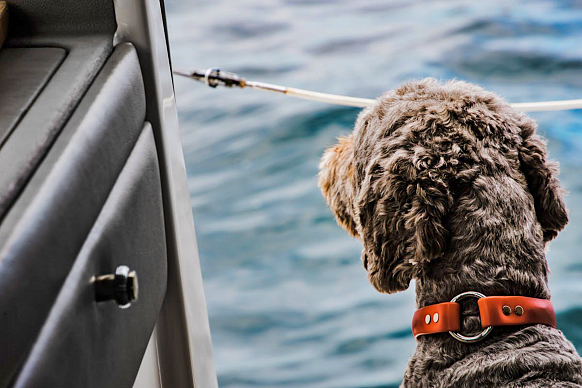
Never leave your pet alone in a parked vehicle. Temperatures can rise within minutes in a hot car, even with the windows open. In cold weather, animals can freeze very quickly.
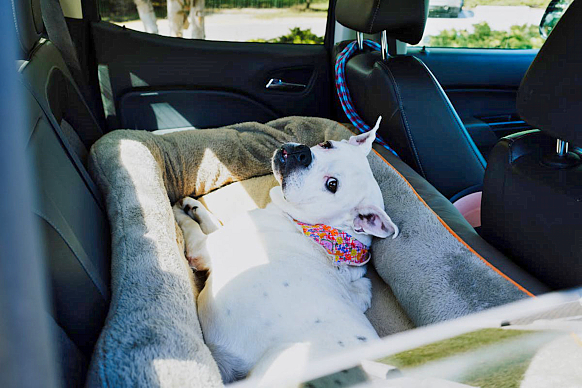
Keep your pet safe in a harness in the back seat attached to a seat buckle. Your pet should be stable in the harness to prevent injury.
A common mistake is to let your pet roam around or ride with their head outside the window. Recently, I saw a very dangerous situation with a large doodle dog riding in a drop top car sitting in the passenger seat! Scary thought for the dog if the car hit a bump or made a sudden stop…
Plan to make frequent stops for a bathroom break for your pet and to stretch their legs.
Find emergency vet locations along your travel route if your dog needs medical attention.
And here’s guide for dog-friendly road trip routes in the U.S.
Also, the American Kennel Club (AKC) offers a list of pet-friendly hotels around the country.
Cat Road Trips
Cat pet parents know that their kitties love routines. Trips to the vet or leisurely rides can make them uncomfortable.
Once again, planning ahead will help. Planning includes letting your cat explore the car before your trip.
Take short drives around the block and back home to help desensitize your kitty. Let them know that a car ride does not mean a ride to the vet.
Find emergency vet locations along your travel route if your cat needs medical attention.
Never leave your pet alone in a parked vehicle. Temperatures can rise within minutes in a hot car, even with the windows open. In cold weather, animals can freeze very quickly.
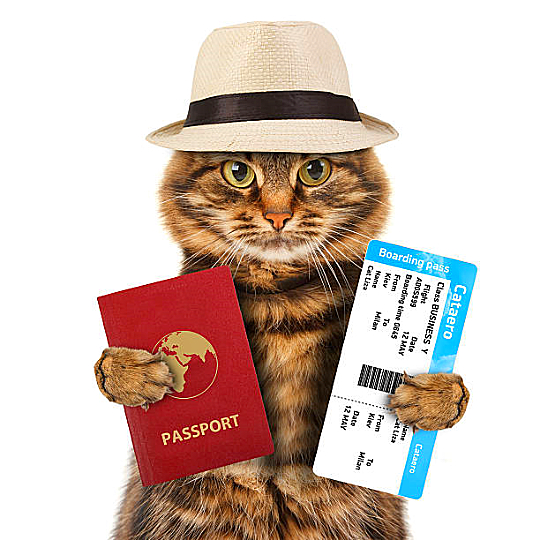
Buy a comfortable carrier for your cat to enjoy the ride in a safe confined space. Bring along a natural treatment for pet accidents to minimize odor and reduce stress for both of you.
Remember to bring your cat’s favorite toy or blanket filled with their familiar scents.
Always bring along cat treats to keep kitty calm and to distract him from being scared.
And check out these tips for a stress-free road trip with your cat.
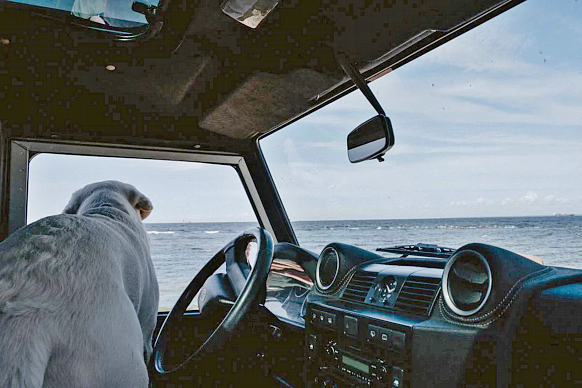
Flying With Your Pet
The American Kennel Club (AKC) offered a list of common airline guidelines for domestic travel.
According to the Animal and Plant Health Inspection Service (APHIS) in the U.S. Department of Agriculture (USDA), not all animals are pets.
The USDA defines pets as “a privately owned companion animal not intended for research or resale and includes only certain animal groups.” Pets include:
- Dogs
- Cats
- Ferrets
- Rabbits
- Rodents
- Hedgehogs/Tenrecs
- Reptiles
- Amphibians
- Birds (except for poultry)
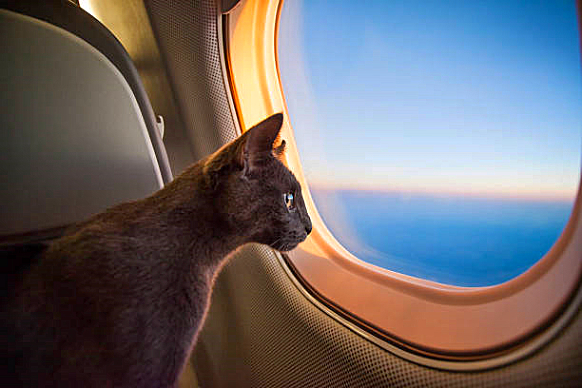
Domestic Flights
Cross country travel can mean that your destination may have pet specific health requirements (current vaccinations, treatments, health certificate). Your local veterinarian can help with your pet travel process.
The U.S. Department of Transportation (USDT) offered these tips for pet parents:
- Avoid feeding your pet solid food in the 6 hours before the flight, but water and exercise your pet before and after the flight. Always check with your veterinarian before giving your pet a sedative.
- Try to schedule a non-stop flight. And avoid heavy traffic times such as holidays or weekend flights.
- Reserve a space for your pet in advance. Ask about time and location for drop-off and pick-up.
- For pets traveling in the cargo area, buy a USDA-approved shipping crate. The crate must be large enough for your pet to stand, sit, and turn around in comfortably.
- Write your name, address and phone number on the kennel. Make sure your pet is wearing a tag with the same information.
- Bring a photo of your pet, in case he is lost.
- When you board the plane, remind the pilot and a flight attendant that there is a pet in the cargo hold.
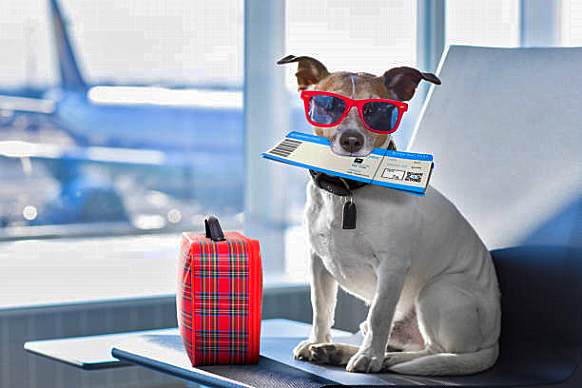
International Flights
For any pet parent, international travel requires serious planning. Travel plans should begin with a look at the pet requirements in your destination country.
Documents includes all original documents of the international health certificate, import permit, results of lab tests and vaccination certificates.
International travel tips to remember:
- Most countries required a health certificate signed by a Department of Agriculture -accredited veterinarian.
- The health certificate must be completed, signed, and dated before being endorsed (countersigned and embossed/stamped) by the Animal and Plant Health Inspection Service (APHIS) in the Department of Agriculture (USDA). There is also a fee ($100 – $275) for the APHIS certificate.
- Check with your airlines for different or additional requirements for health certificates.
- The USDA requires that the original signed or endorsed paperwork must accompany your pet during travel. Electronic versions of documents will not be accepted by officials of the destination country.

So here’s a real-world example of shipping a pet internationally:
A woman at the horse farm where I volunteer recently imported a 6 yo gelding from the Netherlands. He was in the air for 30-40 hours before landing at JFK in New York, one of the three USDA-approved airports to handle imported horses.
Most international horse transport services include equestrian grooms who accompany the horse from take off to landing.
Then he traveled another 3-4 hours by a professional horse transport service to the location outside of Boston. Total cost from start to end was approximately $30k. He is a beautiful horse, and the farriers guesstimate he cost around $50,000.
Closing Thoughts…
Here’s the best travel advice from the American Animal Hospital Association (AAHA):
- If you travel by boat, train, bus, or airline, research the requirements for safe travel for your pet.
- Keep your pet’s health documents current and talk to your vet.
- Practice traveling with your pet by car before you take a long road trip.
I hope these pet travel tips help you enjoy a wonderful trip with your pet!
Thanks for stopping by!
Dr. Pet Mom
“Life is an Adventure, Never Be Afraid of Getting Your Paws Dirty”
–Unknown
Thanks Dr. Pet Mom! Such a timely and informative newsletter. Thank you for breaking down the do’s and dont’s of pet travel.