

What is a health condition common to dogs and humans? Mental illness. Depression, loss of appetite, anxiety, withdrawal, self-injury, and changes in behavior are symptoms of mental illness.
Anxiety and depression go hand in hand. Loss of a family member, a new baby, moving to a new home, boredom, or spending too much time alone can trigger anxiety and depression in your dog.

Causes of Depression and Anxiety
Three common causes of depression and anxiety include fear, aging and separation.
Fear behavior can be seen in rescue and homeless animals. Many have spent their lives in shelters or puppy mills. They may be afraid of strange people or animals, loud noises, umbrellas, hats or riding in a car. Dogs can even be afraid of surfaces like wood or grass.
Age-related anxiety causes loss of learning, memory, and awareness in senior dogs. They can appear confused and fearful. Symptoms are similar to Alzheimer’s disease in humans.
Separation anxiety in dogs happens when they are separated from family members or left alone for too long.
Nearly 14% of dogs struggle with separation anxiety. Symptoms include poor bathroom habits in the house, destroying furniture and excessive barking.
Many dogs spend 10 to 12 hours a day alone. Pet parents working away from home, errands and other activities, can leave their dogs alone for much too long during the day.
The added stress of being alone is harmful to your dog, even if you think your pets are fine spending long hours away from you.
A few words about separation anxiety: Dogs get lonely. Puppies are even more important because they thrive on socialization and human interactions.
Your dog is an important family member. Your pet’s emotional and physical needs are just as important as your needs.

Overcoming Doggy Depression: TLC
Pet parents can help their dogs overcome depression with tender loving care. Engage your dog with fun games, exercise and mind games.
Take your dog for more walks and visit the dog park to keep her socialized. Find a doggy daycare service or ask a neighbor to check on your dog during the day.
Mind games include teaching your dog new tricks. Try something called Nose Games. Take your doggy along as you hide treats around the house. Let her follow and watch.
Also hide treats around the yard and let your doggy play and exercise while she finds the hidden treats.
Place treats inside shoes, on top of chairs or a backpack. Make searching a challenge for your doggy. Remember your commands “Search”, “Find” or “Harder.”
Finding hidden treats gives your fearful or shy doggy confidence. Searching uses lots of energy and helps them sleep better. Searching for treats helps her relax and your dog will love it!
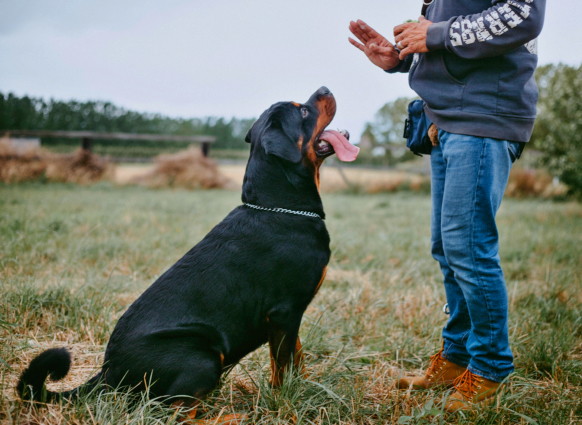
Remember obedience training. You can also teach your dog a new behavior. Use TLC to teach new behaviors like “Touch with your paw” or “Speak”. Keep your pet well socialized to build good health and trusting relationships.
Any activities you can create to prevent boredom will do wonders for your dog’s mental health.
Ordinary Care for Your Dog
You love your dog and want to give her a good quality of life. The responsibility is on you – take time for your due diligence (ordinary care) before you adopt a pet.
A few items for your check list:
Create a budget for pet care. Typical costs include food, supplies, toys, veterinary care and pet insurance. Also consider the cost of hiring a dog walking service, or dog sitter, obedience training, doggy daycare, or pet boarding.
Proper diet. A nutritious and age-appropriate diet for your pet can add years to their life and keep them mentally healthy. Learn what foods are toxic to your dog and avoid feeding table scraps that can cause digestive problems.
Monitor your pet’s health. Set up a yearly veterinary exam for adult dogs, and twice-a-year check ups for senior pets. Good health is critical to avoid problems from heart worm disease.
And remember your dog’s dental care, a life-saving practice to promote your dog’s quality of life.
Tag and microchip your pet. Microchipping is the best way to recover a lost pet. The microchip number is unique to your pet and can’t be changed. And part of your ordinary care is to keep your contact information current in the National Pet Recovery Database.
Keep your pet first aid kit on hand. Emergency pet care and home remedies can save your pet’s life. And included the ASPCA Animal Poison Control Center (ASPCA APCC) toll-free number (ASPCA Animal Poison Control Center Phone Number 888-426-4435) in your pet first aid kit.
CBD and natural remedies. If you are thinking about CBD and alternative remedies to help your pet’s mental health, talk to your veterinarian.
Read and ask questions about CBD and explore alternative pet therapies (hydrotherapy, pet acupuncture, massage therapy) that can help your pet.

Be a great pet parent! Your TLC can help your dog’s mental health.
Sources: Signs of Mental Illness in Dogs
Understanding, Preventing, and Treating Dog Anxiety
How Long is Too Long to Leave A Dog Home Alone?
Thanks for stopping by!
Dr. Pet Mom
“The smaller the creature, the bolder its spirit.” ~~Suzy Kassem