
Hello! Welcome to the December edition of Dr. Pet Mom’s Delightful Pet Menagerie (DPM) Newsletter. This month’s edition is a look ahead at 2023. Enjoy 12 pet parent tips for 12 months of the year!
JANUARY
Tips For Off-Limit Areas
Creating personal space is a human and a pet thing. Off-limit areas can help your home run smoother. You may want a limited area to keep pets out of the baby’s room or certain bedrooms if family members have allergies.
If you want to keep pets out of the kitchen, try remote barriers that emit a static signal or tone. An ultrasonic or audible tone is a high-pitched sound like a traditional dog whistle. The tone is inaudible to most humans but dogs can hear it.
For cats, try a blend of diluted citrus juice with water, onions soaked in water, or mix a teaspoon of cinnamon, mustard and cayenne pepper in water. These natural and homemade sprays will keep your kitty out of the kitchen.
For dogs, again diluted citrus juice (oranges, lemon, grapefruit) with water is a natural spray deterrent. Chili powder, chopped onions and crushed garlic in water also make a good deterrent. Spray deterrents release a mist that dogs find unpleasant.
A safety reminder is to spray around your pet, not directly on their skin or in their face.
Multi-pet households may need off-limit pet areas to give pets their own areas of the house.
FEBRUARY
Tips For Your Counter-Jumping Cat
Do you have a cat that jumps on your kitchen counters? I do. Oscar is a nosy parker cat who likes to put his nose in my salad, soup, cereal, or a glass of juice. He wants to be engaged in everything.
Cats are natural jumpers. They enjoy seeing the world on top of elevated spaces. Your cat may be hunting for food or just looking for a quiet place to hide.
But how do you protect your kitty from getting into something they shouldn’t?
Simple solutions include double sided sticky tape or tin foil on the counter. Cats don’t like the sound and feel of these materials on their paws. Tape and tin foil are great deterrents to keep them off your counter tops.
MARCH
Tips To Keep Your Dog In The Yard
Dogs love to play and explore the outdoors. If you have a large property, it’s hard to always make sure your dog is still on your property. Sure, you want your dog to enjoy running and playing on your property. But you also want her to be safe.
Wood, chain link or plastic fences are traditional barriers to protect your dog in the yard. For large properties, traditional fencing can be expensive. Another option is to try obedience boundary training. This type of training needs your consistency to teach your dog where he can and cannot go.
Outdoor training starts with walking your dog to the edge and rewarding her for staying on the correct side.
To reinforce boundary training, use flags or clicker training to help your dog understand the limits. Training with recall and stop commands can also be part of your training.

APRIL
Tips For Daily Routines
It’s no surprise that our pets love routine. Routines like regular mealtime, playtime, and activities will keep our pets happy and healthy. Plan to exercise your dog daily and in the evening. Regular exercise is great for you and your pet.
Create routines that work for you and your pet. For example, start your doggy’s day with a tasty breakfast bowl that includes daily supplements in her morning meal.
If you’re thinking about a raw food diet for your doggy, include raw eggs, muscle meats, and dog-friendly vegetables and fruits. Talk to your veterinarian to learn how a well-balance meal and a raw food diet can improve your pet’s health.
One important routine for your pet is regular dental care. Plan to include dental care in your pet’s bed time routine. Introducing dental care in your pet’s routine is a slow process. Practice daily dental care in your pet’s routine for long term good health.
MAY
Tips For Warm Weather Playtime
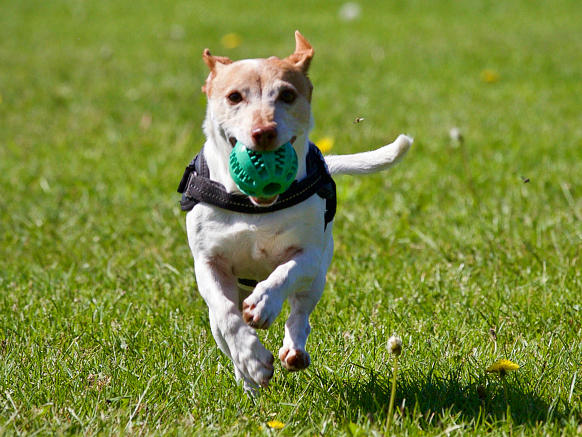
As the warmer weather begins, you and your pet can enjoy time outdoors. Toys like the Kong Flyer or the Chuckit Rugged Flyer make playing fetch a fun time for your dog.
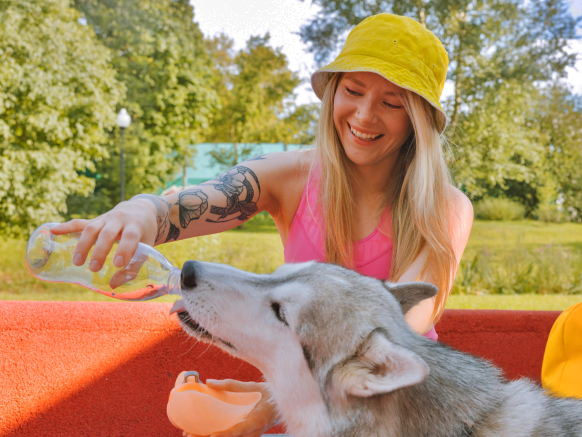
Bring along your collapsible travel bowl to keep your pet hydrated and comfortable on long walks and hikes. Keep your bowl handy in the car and vet visits.
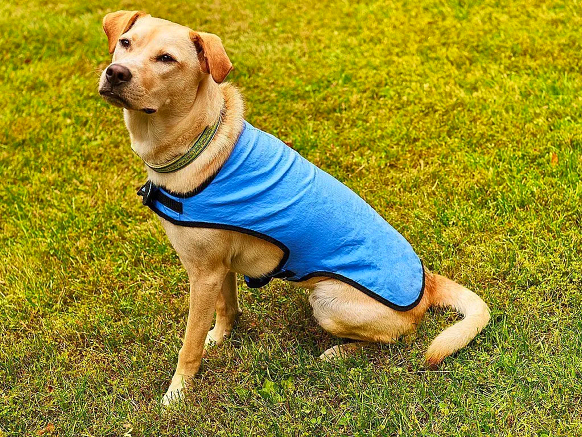
And if you live in a very warm or dry climate, keep your pet cool with a cooling jacket. This jacket will regulate your pet’s temperature. Evaporation will keep your pet cool. Soak the jacket for 30 minutes before using it.
In the cooler months, your pet will stay warm using this jacket as a thick insulator without the water in it.
JUNE
Tips For The Road
Your pet loves to spend time with you, including time on the road. Bring your family pet for a day hike, road trip or camping trip.
Plan ahead to find pet-friendly hotels, camping areas, state and national parks. Remember that some state and national parks don’t allow dogs in the summer months. Certain areas can be protected sanctuaries for birds during migrating or mating season.
To reduce stress during travel, CBD hemp oil can be a good choice to calm your pet.
CBD has a half-life of nine hours. Give your pet half the recommended dose one hour before you leave. One hour is enough time for the CBD to kick in and calm your pet for at least nine hours of the trip.
JULY
Tips For Summer Comfort
Seasonal comfort for your pet will give them a good quality of life. Pet comfort can be anything from cooling off in a kiddie pool, stopping for a drink of water, or just resting in the shade in your back yard.
Grooming includes a pet shower daily and a mild massage. A massage while bathing your pet keeps him relaxed and comfortable. Grooming includes brushing to remove tangles and remember nail trims when needed.
Be alert to any signs of your pet’s discomfort in the heat. Panting, dizziness, excess drooling or a fast heart rate are abnormal conditions. Keep your pet well hydrated with liquid diets (watermelon, cucumbers, bananas, oranges), and a cool dry place to rest. Avoid hot foods, chocolate and ice creams.
Summertime is tick, lice and flea season. Stay alert to tick and flea exposure that cause vomiting and fever. Get ready with an anti-tick spray to keep them away from such problems.
And NEVER leave your pet in a hot car! Heatstroke or suffocation can happen within minutes.
AUGUST
Tips For Indoor And Outdoor Fun
Be creative and plan indoor and outdoor summer fun for your pet. If you plan outdoor activities, plan for cooler temperatures in the morning or evening when the sun is less strong.
Your pet can enjoy indoor fun with a portrait session. Capture your pet’s true personality with treats, toys or going somewhere familiar to hold their interest.
Or create a fun paw painting session with nontoxic washable paints and a large piece of paper. Dip your dog’s paws in the paint and let them walk across the paper to create their own art. Finish the sessions with a fun outdoor doggy bath.
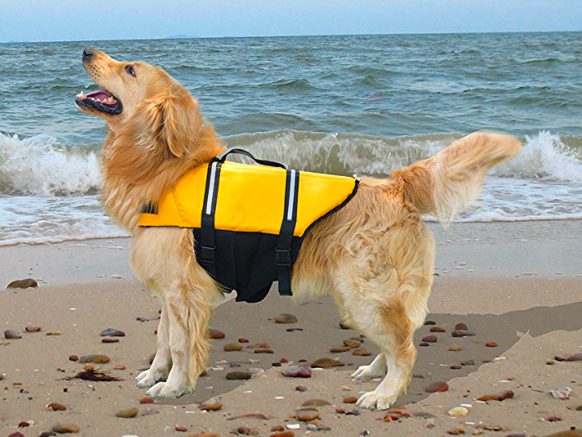
Playing in the water is a great way for your dog to keep cool. You can play fetch through the sprinkler or hose them down.
Or try a game of bobbing for treats or a floating toy . Fill a kiddie pool with a few inches of water and toss in a handful of treats like apple slices. Let your dog jump in, retrieve and enjoy the treats.
SEPTEMBER
Tips For Pet Training
Pets can learn new tricks during their lifetime. You can teach them new tricks and commands when you send a clear message. Effective communication is the holy grail of any relationship during the early training stages.
Clear communication includes verbal and non-verbal communication. Our pets will sense any negative energy and stress. Use the right tone, watch your pet for their reactions to your commands, and reinforce the right response. These practices are good examples of clear communication.
A few skills for pet parents include basic obedience commands, using positive reinforcement, and creating reward systems for your pet. Your training checklist starts with your ease of working hands-on with your pet. Physical contact is a key building block for a loving relationship with your pet.
Our pets communicate in their own ways. And pet parents should be aware of the signs they give. Be aware of changes in their behavior or eating habits which can signal underlying health concerns.
OCTOBER
Tips To Celebrate Fall With Your Pet
Cooler weather can be a signal to spend more time indoors. In reality, the fall season is a great time for pet parents to think hard about their pet’s quality of life. Quality means exercise (indoor and outdoor) and enrichment for your pet.
Did you know that pets can struggle with seasonal affective disorder from shorter days and lower temperatures? Our pets can sense how our lives get busier with holidays, shopping and other activities.
Try a change of scenery. Take your pet for a short hike to explore nature. Your pet will exercise even in the cooler weather and enjoy new smells, sights, and scenery in nature.
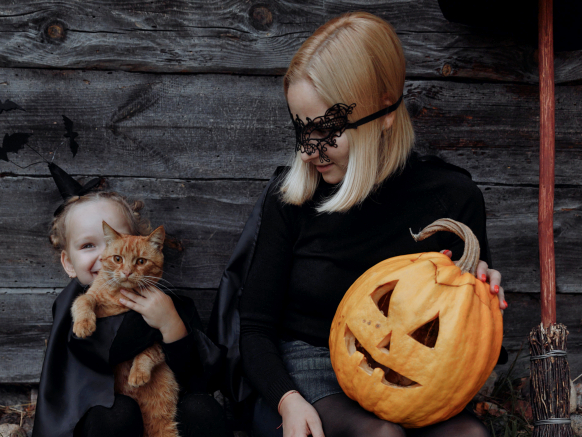
Create some festive fall pet treats. Sweet potatoes, pumpkin, berries and apples are all safe for your cat or dog. Try a few easy recipes but watch your pet’s daily calorie count. Also, check with your vet if you think a particular food is unsafe for your pet.
Take a trip to the farmers’ market, another change of scene for your pet and time in the cool air. Make sure the farmers’ market is pet-friendly before your plan a trip.
Part of your enrichment plan can be indoors spending cuddling time with your pet. Chillax with your pet with a cup of hot chocolate, a blanket and a good book.
NOVEMBER
Tips For Holiday Fun For Your Pet
Our pets enjoy spending time with us and want to be part of our holiday celebrations. Try a new tradition for your pet with a walk around the neighborhood to enjoy the holiday decorations.
Stress is part of the holidays and our pets feel it too. Create a relaxing, stress-busting play session for your pet. Brain-teasing toys, food puzzles, or treat-hiding games can release your pet’s pent-up physical and mental energy.
Your kitty can enjoy a fort-building activity with spare boxes for places to hide, play, and keep their minds busy.
Your holiday plans should include down time for your pet and your family. Create a quiet place for your pet to relax away from the excitement. A quiet space is good for everyone.
DECEMBER
Tips For Pet Patience
The best pet parenting tip for 2023 is patience. Puppies, cats, kittens, dogs and senior pets learn at their own pace.
Stay positive when training your pet. Patience is critical when your pet is showing signs of aging or feeling unwell. When you show negative energy during a training session, your cat or dog will know it.
For example, if your doggy is slowing down during your daily walks, don’t pull on the leash or walk too fast. Be smart. Alter your pet’s walk with slower walks or shorter walks during the day.
Remind yourself that training is a process. Consistency is more important than instant results. You can teach your pet new tricks and new commands.
If your pet doesn’t feel like playing, show your love with a nice cuddle session to help you and your pet destress after a long day.
We all need help at some point in our lives. So will your pet. When the time comes, remember your pet patience.
Book Update for 2022

After the holidays, my graphic designer will update the book cover. I’m continuing edits and doing a final read over the holidays.
And the new title is Special Pets: Dr. Pet Mom’s Guide to Adopt and Love Your Senior or Special Needs Pets.
The book is planned to launch in early 2023. Stay tuned for more details!
Thanks for stopping by! Joy and peace to all!
Dr. Pet Mom
“Cats choose us; we don’t own them.”
–Anonymous