
Hello! Welcome to the February edition of Dr. Pet Mom’s Delightful Pet Menagerie (DPM) Newsletter. 2023 is the Year of the Rabbit, a year of prosperity and hope for the Earth.
And in celebration of Adopt A Rescued Rabbit Month, this month’s edition is about our furry friends, pet rabbits. Learn about pet rabbit care and adoption tips to keep them happy!
Helpful Tips Before You Adopt A Rabbit
In the small animal category, one source listed rabbits as the second most popular pet behind gerbils (#1).
A pet’s popularity doesn’t mean that they are easier to care for. Remember your pet parent due diligence before you adopt any type of pet.
Here’s a list of tips to get you started:
- Rabbit personalities differ.
Are you looking for a friendly or mischievous rabbit? Bunny personalities can be shy and quiet or rambunctious.
Spend time with a rabbit before you bring her home. You want to find a good match for your family.
- Socialize your rabbit.
A new bunny in the house will likely hide and resist handling. Socialize your rabbit by talking to your pet and slowly work up to petting.
Gently handle your bunny and always support your bunny’s rear legs.
- Rabbits are exotic animals and need special vet care.
In veterinary terms, rabbits are exotic animals. Rabbits require regular, preventive veterinary care. These pets need annual checkups, fecal exams for parasites, but not vaccines. Vet visits should also include dental care, nail trimming and grooming.
Find a veterinarian trained in exotic pet care. Ask other vets or other rabbit pet parents for a reference.
Rabbits need specific care. For example, after age three, female rabbits who are not breeders should be spayed. About 70 to 80 percent of unspayed females get uterine cancer.
Click here for a list of rabbit veterinarians in your area.
- Bunnies can live a long time.
Rabbits live eight to 12 years or more. Understand that your pet will need housing, food, veterinary care, daily exercise and socializing throughout their lives.
A long life means that your rabbit can be a wonderful companion pet for your family. Be aware that you may likely care for your rabbit in old age.
Before you adopt, consider the time and commitment needed to care for a rabbit their whole lives. Be sure you are prepared for the long term care of your bunny.
Visit the Bunny Lady for a wonderful guide all about rabbits.
- Understand rabbit nutrition and dental care.
Rabbits are herbivores and love vegetables. Feed them grass hay or timothy hay daily to wear down their continuously growing teeth.
Younger bunnies under one year and pregnant or nursing bunnies enjoy alfalfa hay. Include fresh water in their daily feeding.
All bunnies should eat dark green or yellow leafy vegetables, such as collard greens, beet or dandelion greens, romaine lettuce, carrot tops, kale, cabbage, radicchio, wheat grass, squash, Brussels sprouts, and pea pods (not loose peas).
Limit high-fiber foods such as apples, pears, plums, peaches or berries, and carrots which contains a fair amount of sugar.
Rabbits will chew on anything – wires, furniture, wooden moldings on doors.
Give them safe toys for chewing, such as small animal activity toys, natural wood chew toys, or a handmade grass bed.
- Create bunny-safe areas for daily exercise.
Rabbits need and enjoy daily exercise outside their pen or enclosure. They love to run around and hop on top of things. Exercise helps digestion and prevents weight gain.
A bunny-safe area should be closed off for daily exercise. Rabbits are great escape artists and need regular supervision outside the cage.
Remove or secure items (cover electric wires, cords) out of reach, and give your bunny lots of chew toys in their play area.
- Bunnies are usually very clean.
Rabbits groom themselves and do not need a bath. Line their cages with shredded newspaper for comfort.
Rabbits can be trained to use a litter pan in the corner of their cage. Clean their litter boxes each week.
Grooming includes weekly brushing to prevent matting, and nail trimming every few months.
Again, regular vet visits are important to keep your exotic pet healthy.
Your Lifestyle Inventory
I created another helpful tip called a lifestyle inventory. This tool can help pet parents understand their feelings about animals before they adopt a pet.
A lifestyle inventory includes your emotional, financial, and family readiness for a pet family member. Another tip is your pet legacy inventory, a long-term plan for your pet’s future.
- Your emotional inventory is a review of your emotional awareness about animals.
- Your financial inventory reviews your budget and the long-term costs of pet care.
- Your family inventory can explore your family members’ (people and pets) feelings and commitment to adopting or fostering a new pet.
- Your pet legacy inventory helps you review the long-term care for your pet if you get sick or can no longer care for your pet.
More details are provided in my soon to be released book, Special Pets: Dr. Pet Mom’s Guide to Adopt and Love Your Senior or Special Needs Pet.
Where To Find A Rabbit
“We believe that rabbits are intelligent and social beings.” This is the motto of the House Rabbit Society, the nation’s largest rabbit welfare group.
House Rabbit Society is a great place to learn all about pet rabbit care. If you’re interested in adopting a rabbit, visit their website. Dedicated volunteers can educate rabbit owners to help ensure they are providing proper care.
The House Rabbit Society provides a listing of House Rabbit Society chapters, allies and independent rabbit rescue groups around the country.
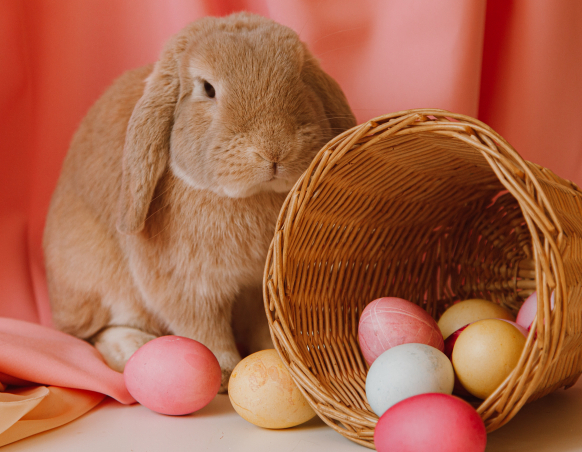
Easter Bunnies
Easter reminds us of colored eggs and chocolate rabbits. And people feel impulsive about adopting a rabbit into their family.
I saved this topic for last to encourage pet parents to be mindful about adopting a rabbit at Easter.
Mindfulness means:
- Reviewing the helpful tips list before you adopt a rabbit.
- Understanding that rabbits are not low-maintenance pets.
- Knowing that your rabbit can create strong bonds with you and your family.
- Giving your rabbit a quality life in a happy home safe from predators.
- Avoiding impulsive decisions to adopt a bunny.
- Encouraging families to educate and commit themselves before adopting a rabbit.
To learn more about pet rabbits and their personalities, visit Pet Rabbits.
Final reminder: If you think a bunny is a great starter pet for your child, think again.
Bunnies don’t enjoy being picked up and carried around. Rabbits make better pets for adults than for children.
Thanks for taking care of our furry friends!
Book Update for 2023
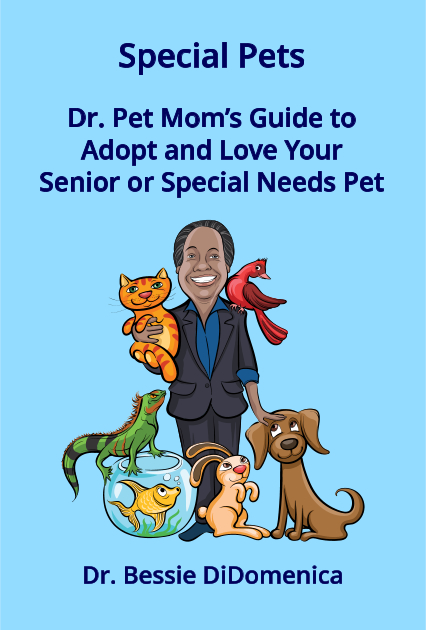
My cover designer is finishing up the graphics. More formatting is planned for the book cover.
The book is planned to launch in early 2023. Stay tuned for more details!
Thanks for stopping by! Best wishes to all in 2023!
Dr. Pet Mom
“All animals are minor variations on a very particular theme.“
–Richard Dawkins
Thank you for the great information about rabbits…there’s lots of facts that I wasn’t aware of. It was a very interesting and informative article.
These monthly newsletters are really enjoyable and educational.
Thanks again!
Hi Lou,
Thanks for your comments!
I’m happy to learn that the FB Rabbit Owners Community has over 21,000 members! These rabbit pet parents adopt and support rescue rabbits groups and shelters.
I appreciate you stopping by to read the DPM monthly newsletters!
DPM