
Greetings! Welcome to the August edition of Dr. Pet Mom’s Delightful Pet Menagerie (DPM) Newsletter. Summer is near an end and cooler days are ahead. Fall is one of my favorite seasons. This edition offers a collage of pet parenting tips for the Fall season. Please enjoy these helpful tips for your pet!
September Pet Parenting Tips
If you’re thinking about starting the Fall season with a new furry family member, this section will get you started.
The Basics: Your lifestyle inventory
Before you adopt any animal, spend time on your lifestyle inventory. I created this helpful tool to help pet parents understand their feelings about animals before they adopt a pet.
A lifestyle inventory includes:
- Your emotional inventory: To review your emotional awareness about animals.
- Your financial inventory: To review your budget and the long-term costs of pet care.
- Your family inventory: To explore your family members’ (people and pets) feelings and commitment to adopting or fostering a new pet.
- Your pet legacy inventory: To review the long-term care for your pet if you get sick or can no longer care for your pet.
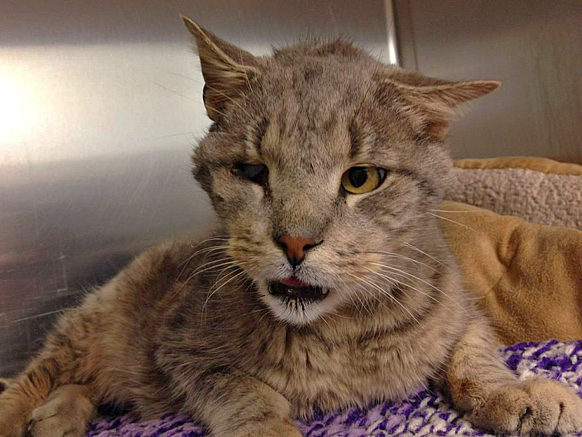
Adopt “Less-adoptable” Pets
A “less adoptable” pet is another myth to be ignored. People confuse “less adoptable” to mean animals with behavioral problems, medical issues or any senior pets.
Petfinder.com classifies “less adoptable” as an animals who spend more than 48 weeks in a shelter. The average amount of time pets spend in a shelter is 12.5 weeks before they are adopted.
In reality, I often see folks walking older dogs, not puppies. One of my fave neighbors only adopts older doggies who come from puppy mills or were neglected because of their age. But these loving doggies are always very friendly to me.

Examples of “less adoptable pets” are:
- Dogs with medical conditions. Sometime in our lives, we all have to take medication. Shelter dogs are no different. And some may have lifelong medical conditions.
- Black dogs. Loving companions at a shelter come in all shapes, colors and sizes. Sometimes black dogs are overlooked. Potential adopters should be looking at the dog’s personality for a good fit for the family. In reality, I see all shapes of black dogs at the dog park and walking around the neighborhood. Remember to ignore this myth about black dogs.
- Dogs that shed frequently. Dog hair can end up anywhere in the home, no matter how much you clean your house. You can cut or shave your dog’s hair but with some breeds, the hair grows back differently.

Outdoor Pet Safety
- Ticks and fleas: Biting pests are still active in the fall. Pests can thrive in piles of leaves and other debris. These pests can easily infest your pet when they spend more time outdoors. Watch your pets outdoors and do not allow them to jump in unknown leaf piles that might hide wildlife or ticks.
- Stay clear of mushrooms: Fall is mushroom season and while 99% of mushrooms have little or no toxicity, the 1% that are highly toxic can cause life-threatening problems in pets. Since most toxic mushrooms are difficult to distinguish from nontoxic ones, the best way to prevent pets from ingesting these poisonous plants is to keep them away from areas where any mushrooms are growing. Please visit the ASPCA’s poisonous plants page for more information.
- Watch out for wildlife: As temperatures dip, snakes prepare for hibernation, increasing the possibility of bites to those unlucky pets who find themselves in the wrong place at the wrong time. Pet parents should know what kinds of venomous snakes may be lurking in their environment—and where those snakes are most likely to be found—so pets can be kept out of those areas.
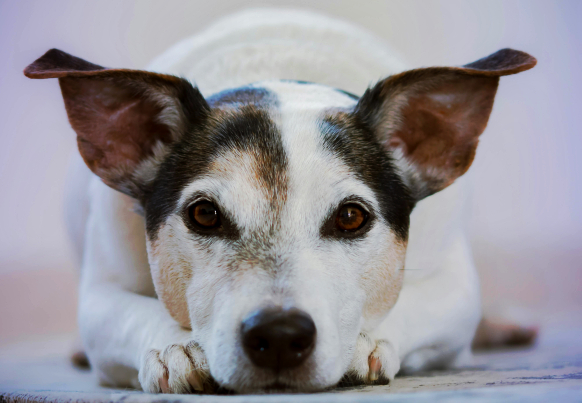
Indoor Pet Safety
September is also back-to-school month. Watch out for these indoor pet hazards:
- School supplies: Kids are back on school and school supplies can be a hazardous to our pets. Cold packs, medications, sugarless gun with xylitol, raisins, grapes, and macadamia nuts are toxic to your pet.
- Pencils, glue, and magic markers can be tempting treats for pets to nibble on. These supplies have low toxicity to pets – but these supplies can cause blockages and gastrointestinal problems for your pets, if ingested.
- Home alone. When the kids are back in school, make sure to pet-proof your home. Cleaning products, medications and any toxic materials should be locked away. Remember to avoid having loose cords or wires around the house, such as cords or blinds or curtains. Keep a tight lid on laundry bins and trash cans.
October Pet Parenting Tips
Your Pet First Aid Kit
Emergencies can happen anytime. Anywhere. Emergency preparedness may not be on your mind but you never know when bad weather will strike.
Your pet first aid kit should include contact numbers (veterinary, hospitals), medications, pet medical records, and other related items.
Fall weather can include heavy fog, thunderstorms, tornadoes, hurricanes, and snowstorms. Be ready and keep these tips in mind.

Pet Poisoning Emergency: 5 Tips
The ASPCA Animal Poison Control Center (ASPCA APCC) offers five key tips for pet poisoning emergencies in your home:
1. Be prepared. Keep your veterinarian’s phone number, the number of the closest emergency veterinary hospital and the number for a pet poison center nearby and saved in your phone.
The ASPCA APCC number is 888-426-4435. The Pet Poison Hotline is 800-213-6680.
2. Keep a cool head. The best thing you can do for your pet is keep calm. You want to ensure your pet that she gets the first aid she needs. Stay calm, provide first aid and get the important information you need for the veterinarian or emergency staff.
3. Be prepared to answer questions. What is the toxic substance you know or suspect your pet ingested? You can pack up the substance itself (this is ideal) or write down the exact name of the product or medication.
Also write down the strength (typically in milligrams) of the drug, the concentration of active ingredients in herbicides or pesticides and the EPA registration number.
Write down any other information you think might help the veterinarian who will be treating your pet. For example: When did the poisoning happen? Did you catch your pet actually ingesting the substance? Has your pet vomited? If so, did she vomit up any of the poison or packaging?
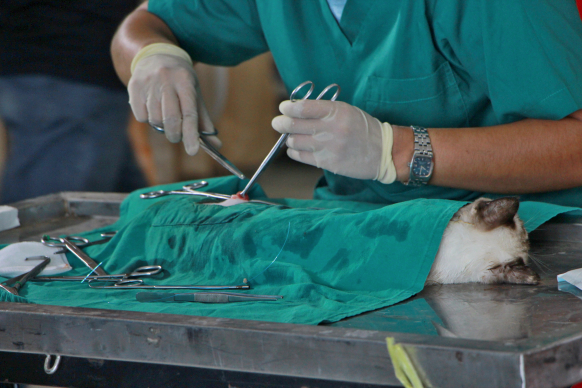
4. Evaluate your pet’s condition. Keep a clear eye and observe your pet’s condition. Is she bleeding? Vomiting? Is she behaving differently? What about her breathing? Is she unresponsive?
If you answer “yes” to any of these questions, get immediate medical attention. Call your veterinarian or the nearest emergency animal hospital and alert them that you’re on your way.
5. Be proactive. If you suspect or know your pet has ingested a poison, call the nearest emergency animal hospital. Time is critical. Do not wait for symptoms to appear.
If you can quickly treat your pet at home, (with help from your vet or a pet poison hotline), the better chances for survival and recovery.
Create a homemade pet first aid kit. Find a clear plastic container. You need to quickly see and find the items in your first aid kit. Even a plastic zip bag can hold the supplies listed below.
Phone Numbers and Addresses
- Phone number and address of your veterinarian
- Phone number and address and directions to the nearest emergency animal hospital or clinic.
- Review your pet emergency plan.
- Phone number and address of your local animal ambulance or transportation service, if one is available.
- The ASPCA Animal Poison Control hotline at 888-426-4435 and/or the national Pet Poison Helpline at 855-764-7661
- Tape these phone numbers and addresses to the outside of your kit. Or inside where you can quickly find the list without opening up the first aid kit.

First Aid Items
DIY treatments. Learn how to make homemade treatments for minor pet emergencies:
**Always call your vet or a pet poison hotline if you believe your dog or cat may have ingested a toxic substance. Hydrogen peroxide should not be used to clean a wound, as it is known to actually slow the healing process.
- Muzzle – An injured animal can be aggressive when they are in pain or afraid. Have a muzzle on hand but don’t muzzle if your pet is vomiting. Here’s a link to make a homemade muzzle.
- Collars or harness and leash.
- Blunt-tipped scissors. Use to clip debris from your pet’s fur or trim hair away from a wound.
- Pre-soaked povidone iodine (Betadine) pads – Use to clean out cuts, wounds or abrasions, and bottled water to flush the wound after using the pre-soaked pads.
- Triple antibiotic ointment – Apply to a wound after cleaning with Betadine and flushed with water.
- Tweezers – For splinter or tick removal.
- Nail trimmer or clipper.
- Sterile water-soluble lubricating jelly – Apply around your pet’s eyes if you need to use soap or Betadine to clean a wound close to the eyes.
- Hydrogen peroxide 3% – Use to induce vomiting, only if your vet or an animal poison control hotline instructs you to do so.**
- Elastic bandages or gauze – Use to hold a nonstick pad in place over a wound.
- Sterile nonstick pads – To cover a wound before bandaging.
- Flashlight and magnifying glass – To see the thorn in your pet’s paw or the tick between her toes.
- Saline solution – Regular human contact lens saline drops can flush out dirt, and other irritants from your pet’s eye. Also use it to flush away debris from a cut or scrape.
- Clean cotton towels – Use as a pressure bandage, blanket or sling to lift a pet who is unable to walk.

Additional Pet First Aid Items
- Cotton balls and swabs
- Benadryl for hypersensitivity reactions
- Thermometer
- Ear cleanser
- Bach Rescue Remedy for stress
- Styptic/clotting powder to stop bleeding from broken toenails or a homemade remedy
You can also buy a ready-made pet first aid kit. Make sure family members know where to find it and keep it easily accessible.
Remember that administering first aid to a sick or injured pet is just the first step in handling the emergency.
Always seek immediate veterinary care as soon as possible to give your pet the best chance for a full recovery.
November Pet Parenting Tips
November is one of my fave months for our pet friends. I’m happy to celebrate Adopt A Senior Pet Month in November to help senior pets find their new families.
My mission statement for Dr. Pet Mom.com reads:
“To create a pet parent community to encourage adoption of rescue and shelter animals. We want to help homeless animals find their forever homes.”
This statement keeps me focused on helping as many animals as possible. Many shelter and rescue animals are senior pets deserve a second chance at happiness.
Why Adopt A Senior Pet?

Senior Pets are Mellow, Wise and Loving
So why adopt a senior pet? What is so special about them?? Let me count the ways:
- Senior pets are relaxed, mellow and easy to please. They are happy to share your company or sit by your feet. Senior pets have good house training and understand basic commands.
- Senior pets have wisdom. Older cats and dogs have learned life’s lessons. For instance, they know the sunlight warms them up or that a leash means it’s time for walk.
- Senior pets know that you saved them. They are loyal and forever grateful for your love and friendship. Senior pets know you have rescued them from a life of fear or worse. Maybe you even rescued each other.

Senior Pets are Friends for Life
- Senior pets know the difference between indoors and outdoors. Outdoors is for bathroom breaks and exercise. Indoors is for relaxing, dinner time and taking naps with the family.
- Senior pets have an endless amount of love. These special animals reward you with their steadfast devotion. Gratitude becomes a natural response from your senior pet.
- Senior pets are excellent companions. They become friends of children, older people and other cats and dogs. Senior pets understand friendship and sharing fun times with you.
Senior Pets are Life Savers
- Senior pets shine through their personalities. You know what you’re getting with senior pets. They quickly reveal their temperament and ability to learn new tasks. What you see is what you get.
- Senior pets are independent. Senior pets can entertain themselves and don’t need constant attention. They can share your time with you or enjoy their alone time. Senior pets make a perfect companion.
- Senior pets deserve a second chance. A second chance is the focus of my mission statement to help older animals. How can you not love a cat or doggy with a grey muzzle? I always thank pet parents on the street when I see them out with their senior pets.

Each day, I read a story about how a person helped a senior pet. And many times, pets and humans help each other.
If you’re thinking about pet adoption, I hope you consider adopting an older animal.
Pet Parenting Basics: Don’t Hurt Your Pet
Pet parenting might seem like a no brainer. We love our pets. We want to keep them safe, happy and give them a good quality of life. But do you know the basics of pet parenting? Do you know the most common pet parenting mistakes? Are you hurting your doggy by teasing, punishing and leaving her alone for too long?
Common Pet Parenting Mistakes
Sure, it’s easy to think that pet parenting is common sense. But our best intentions can sometimes harm our pets.
Let’s review a few common pet parenting mistakes.
1. Crate punishment: You may think that your pet needs a time out and use the crate for punishment. Not a good idea.
Crate punishment leads to confusion and animosity. Your dog will learn to resist going inside the crate. Confusion will increase her stress level when confined to that space.
Dogs are smart, but they don’t understand time out punishment. A better solution is to train your pet and discourage bad behavior when it happens.
Pet parenting basic: Use the crate as a training tool for your dog’s fun space and resting haven.

2. Taking away food and toys: Really? If you’re setting clear boundaries for your dog, taking away food while they’re eating can lead to aggression.
The same thing can happen with toys. Teasing to show you are the alpha can frustrate your dog.
Your dog will be confused at meal time or play time. And he will see you as a bully, not the alpha member of the pack.
Pet parenting basic: Let your dog enjoy play time and eat in peace.
3. Leaving your dog alone for too long. Dogs love company and spending time with their families. With little socialization, dogs become stressed, bored, sad, and destructive.
If you have a busy schedule, remember to make time for your dog. Think about your dog’s mental, emotional, and physical health.
Ask other dog parents for a good doggy daycare or dog walking service to break up your pet’s day. Keep your dog happy and healthy with daily socialization.
Pet parenting basic: Give your doggy daily companionship for a long and healthy life.

4. Too much yelling at your dog. No one likes to be yelled at all the time. And yelling at your dog will cause distress and she won’t trust you.
Your dog does not understand the language of yelling. It’s your pet parent responsibility to teach your dog basic commands and good manners.
And consider that if you yell a lot, how will your dog know you’re serious in case of an emergency? It’s like crying wolf – your dog will stop listening to you.

Pet parenting basic: Be kind to your doggy. Skip the yelling and reward only good behavior.
5. Walking your dog on a leash, not a harness. You may think that a leash is good enough to walk a dog. But tugging and pulling on a leash can injure your dog’s larynx, neck, and spine.
A harness gives you better control with less dragging and pulling. And it helps you and your dog enjoy walking together.
For older dogs who have trouble walking, a harness is a wonderful tool to help him navigate steps, or lift him up to his feet.
The best reason to use a harness is for safety. Your dog can quickly wiggle out of a leash – it’s harder to escape from a well-fitting harness.
If your dog is trying to escape when you’re walking, you’ll notice it quickly and regain control.
Pet parenting basic: Think safety first. Use the harness as a training tool for basic commands (“Stop”. “Heel”. “Walk nicely.”).
6. Forcing your dog to make friends. You know it’s important for your dog to be social and learn to play with others. Watch for your dog’s “calming signals” to see if they’re ready to make new friends (other dogs and humans).
What are “calming signals?” Look for these behaviors:
- Head turning
- Yawning
- Lip licking
- Averting gaze
- Blinking
- Crouching low to the ground
Each behavior is your doggy’s way to slowly ease into a calm and peaceful interaction with other dogs.
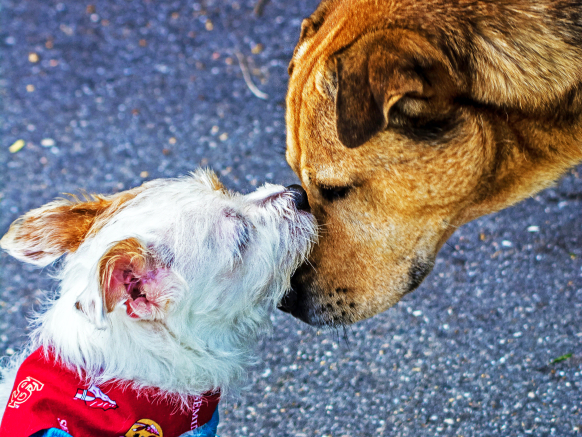
When it comes to meeting strange people, beware of the “sniff test.” You know the sniff test – it’s when people reach a hand out to pet your dog.
The sniff test is ABSOLUTELY the wrong thing to do when approaching a strange dog. It puts your dog on the defense – she doesn’t have time to assess the danger. She might run away, snap or bite the hand of a stranger.
Pet parenting basic: Let your dog make the first move. If she wants to meet a stranger, she will walk forward and sniff them.
And always keep control of the situation – if your dog is not showing any “calming signals,” don’t let a stranger touch her.
Pet parent basics are easy to remember. Use your common sense and pay attention to your dog’s behavior.
Sources: 5 Ways You’re Crushing Your Dog’s Spirit Without Even Knowing, The Human “Sniff Test” Is Not The Preferred Introduction For Dogs, Look For These “Calming Signals” When Your Dog Is Meeting New Friends, 4 Reasons To Use A Dog Harness
Closing Thoughts
I hope these tips help you enjoy a wonderful Fall season with your furry family members!
Thanks for stopping by!
Dr. Pet Mom
“Cats seem to go on the principle that it never does any harm to ask for what you want.”
–Joseph Wood Krutch
2024 Book Update
Summer is almost over and it really is time to publish my book, Dr. Pet Mom’s Delightful Pet Menagerie (DPM) Newsletter book. My graphic designer is reviewing the book cover. Final steps are in process.
Dr. Pet Mom – This is wonderful first aid information that all of us hope we will never need to use, but is good to have. Also enjoyed the information about adopting senior dogs. Very informative. Another great edition!
Thanks Lou!
I love sharing info to help keep our pets safe and happy! And love those senior doggies too 🙂