
Hello! Welcome to the June edition of Dr. Pet Mom’s Delightful Pet Menagerie (DPM) Newsletter. This month is all about pet emergencies and pet first aid.
Summer is in the air! If you make time to spend with your pets outdoors, keep them safe. Learn more about pet first aid and how to manage pet emergencies.
Enjoy!
Your Pet Emergency Plan
Emergencies can happen anytime. Anywhere. Emergency preparedness may not be on your mind as the weather warms up. The summer months are peak times for hurricanes, flooding and tornadoes.
You never know when bad weather will strike. But when it does, you need to be prepared. For your family and your pets.
Many people become overwhelmed when disasters happen and it’s hard to think clearly. Fear is the best reason to have a pet first aid kit ready and handy for emergencies. A first aid kit can save your pet’s life.
Pet Poisoning Emergency Tips
The ASPCA Animal Poison Control Center (ASPCA APCC) offers five key tips for pet poisoning emergencies in your home:
1. Be prepared. Keep your veterinarian’s phone number, the number of the closest emergency veterinary hospital and the number for a pet poison center nearby and saved in your phone.
The ASPCA APCC number is 888-426-4435. The Pet Poison Hotline is 800-213-6680.
2. Keep a cool head. The best thing you can do for your pet is keep calm. You want to ensure your pet that she gets the first aid she needs. Stay calm, provide first aid and get the important information you need for the veterinarian or emergency staff.

3. Be prepared to answer questions. What is the toxic substance you know or suspect your pet ingested? You can pack up the substance itself (this is ideal) or write down the exact name of the product or medication.
Also write down the strength (typically in milligrams) of the drug, the concentration of active ingredients in herbicides or pesticides and the EPA registration number.
4. Evaluate your pet’s condition. Keep a clear eye and observe your pet’s condition. Is she bleeding? Vomiting? Is she behaving differently? What about her breathing? Is she unresponsive?
If you answer “yes” to any of these questions, get immediate medical attention. Call your veterinarian or the nearest emergency animal hospital and alert them that you’re on your way.
5. Be proactive. If you suspect or know your pet has ingested a poison, call the nearest emergency animal hospital. Time is critical. Do not wait for symptoms to appear.

Pet First Aid Kit Items
Find a clear plastic container. You need to quickly see and find the items in your first aid kit. Even a plastic zip bag can hold the supplies listed below.
Your homemade pet first aid kit can also save your pet’s life. Keep it filled and close by in case of emergencies. A partial list of items include:
Phone Numbers and Addresses
- Phone number and address of your veterinarian
- Phone number and address and directions to the nearest emergency animal hospital or clinic.
- Review your pet emergency plan.
- Phone number and address of your local animal ambulance or transportation service, if one is available.
- The ASPCA Animal Poison Control hotline at 888-426-4435 and/or the national Pet Poison Helpline at 855-764-7661.
- Tape these phone numbers and addresses to the outside of your kit. Or inside where you can quickly find the list without opening up the first aid kit.
First Aid Items
Homemade treatments for minor pet emergencies include:
- Muzzle – An injured animal can be aggressive when they are in pain or afraid. Have a muzzle on hand but don’t muzzle if your pet is vomiting. Here’s a link to make a homemade muzzle.
- Collars or harness and leash.
- Blunt-tipped scissors. Use to clip debris from your pet’s fur or trim hair away from a wound.
- Triple antibiotic ointment – Apply to a wound after cleaning with Betadine and flushed with water.
- Hydrogen peroxide 3% – Use to induce vomiting, only if your vet or an animal poison control hotline instructs you to do so.**
- Sterile nonstick pads – To cover a wound before bandaging.
- Flashlight and magnifying glass – To see the thorn in your pet’s paw or the tick between her toes.
- Saline solution – Regular human contact lens saline drops can flush out dirt, and other irritants from your pet’s eye. Also use it to flush away debris from a cut or scrape.
- Clean cotton towels – Use as a pressure bandage, blanket or sling to lift a pet who is unable to walk.
**Always call your vet or a pet poison hotline if you believe your dog or cat may have ingested a toxic substance. Hydrogen peroxide should not be used to clean a wound, as it is known to actually slow the healing process.
If you’re traveling with your pet, bring the kit along or prepare a second first aid kit for the car.
Always seek immediate veterinary care as soon as possible to give your pet the best chance for a full recovery.
Indoor Pet Safety
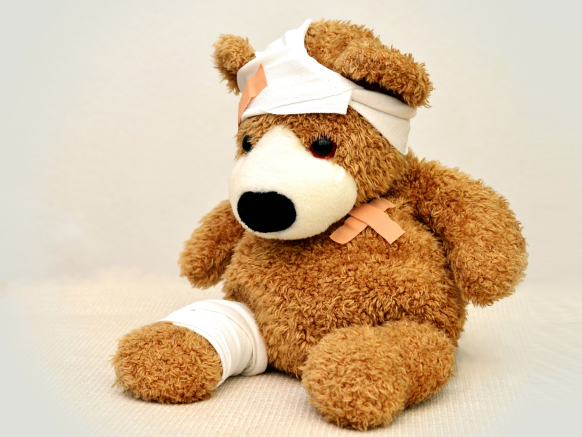
- Sometimes pet parents are complacent when it comes to indoor pet safety. Complacent means ignoring safety signs to protect your pet. For example, we forget to close cabinet doors, leave food on the counter or forget to give our pets clean water.
- Monitor playtime. Cats are natural hunters and will stalk movement. They love chasing ribbon, string, yarn and shoelaces.
- Stalking can be fun to watch but cats and dogs can swallow small toys, strings, beads and shiny objects. Enjoy playtime but also monitor your pet’s playtime
- Hidden danger from snack bags. Suffocation is a hidden danger in our homes: Pets can suffocate from snack bags, pet food bags, cereal bags, garbage bags, and resealable bags.
- Avoid this threat and put snack, cereal, and dry pet foods into resealable hard containers. Open both ends of the snack bag. Or tear or cut all chip and food storage bags before discarding. Throw snack bags into a sturdy covered trashcan or behind a cabinet door.
Outdoor Pet Safety
A few outdoor pet safety tips include:
- Car pet safety #1: This pet parent tip should be a no brainer: NEVER LEAVE YOUR PET IN A HOT CAR. NEVER. Pets can quickly die from heatstroke if left in a hot car.
- In just 10 minutes, the temperature in your car can increase by almost 20º F. In 20 minutes, temperatures can rise by almost 30º F. It means that in 70º degree weather, the temperature in your car can reach 110 degrees!
- Be smart. Protect your pets. Never leave your pet alone in a hot car, even for a few minutes!
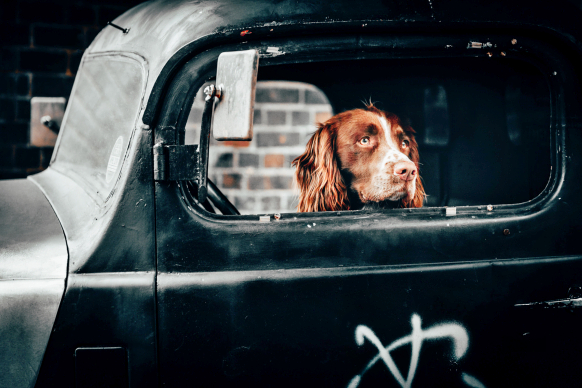
- Car pet safety #2: Many pet parents let their pets freely roam inside a moving car. Doggy heads and paws hanging outside the car are an invitation to danger. And pets riding in an open truck bed are at greater risk for harm.
- Think safety and buy a good car harness for your dog and cat carrier for your cat. Keep them as safe as you are when driving on the road.
- Microchip and tag your pet. Collar tags imprinted with your pet’s name and the contact phone number of their owner or veterinarian are useful. But tags wear out or can slip off.
- Pet microchips are more stable (don’t wear out or disappear) and the identification number cannot be changed or removed. And remember to keep your contact information current in the National Pet Recovery Database.
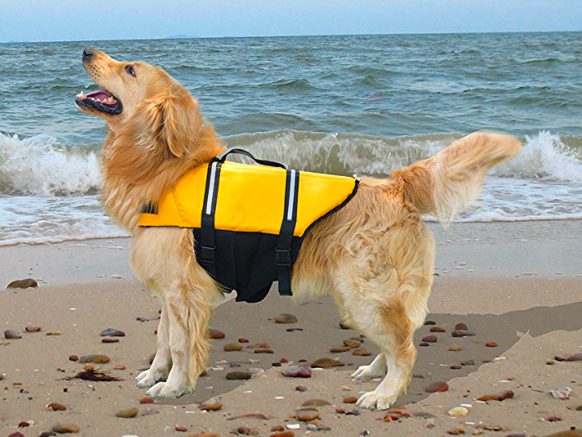
- Pet water safety: Many families and their pets are spending time on the water. A required piece of equipment for people and pets is a life jacket. Many dogs (and some cats) love the water, but can’t swim for very long.
- Pet life jackets save lives. Practice your due diligence to find the best type of life jacket for your pet.
July 4th Safety Tips
The summer season is the start of thunderstorms in June and fireworks in July. Dogs, cats, horses, cows and other farm animals are often terrified by loud noises, flashing lights, and vibrations in the ground.
Around the July 4th holiday, many animal rescue groups report a sharp rise in lost pets all around the country.
10 Tips for a Safe July 4th
1. Make sure your pet has proper identification.
Your pet should wear a collar and for added protection, be microchipped. Take a current photo of your pet. Fear from firework can make indoor pets try to escape. It’s their natural instinct to run away from noise.
2. The best solution to keep pets calm: Leave them at home.
Your pets won’t miss the crowds, confusion, flashing lights, thunderous booms, and the smell of fireworks. 💡 A kind and loving pet parent will keep their pets at home.
3. Try to keep your pet in one bedroom with the radio or TV as background noise.
This kind of white noise can mask the outside sounds.

4. If you stay at home for the July 4th holiday, keep your pet comfortable.
Use your soothing voice and share petting time to keep your pet calm. Your companionship will help your pet feel safe.
5. If you can, try to keep pets as far away from the fireworks as possible.
Or bring your pet to a familiar friend’s house far away from the noise. The goal is to create a safe and comfortable setting for your pet. Do what you can to lower their stress and keep them calm.

6. Keep your farm animals, horses and livestock safely fenced in.
The farther away from noise and fireworks, the better.
7. For cookouts, keep pets away from barbecue grills, charcoal and skewers.
Ask you guests to keep an eye with signs ““”Let’s All Be Safe! No Pet Escapes!”
8. Tell your guest not to feed pets any table scraps at the cookout.
Many foods are toxic to animals.
9. After the cookout, pick up the yard.
Remove fireworks debris, sharp items and other hazards a curious pet might find.
10. Keep a shady spot in the yard for food and plenty of water for your pets.
Be sure your pet is comfortable and well hydrated in hot weather.

sources: Fireworks and Pet Safety
July 4 Safety
“Dogs own space and cats own time.”
–Nicola Griffith
Book Update for June 2023
Hope you’re enjoying the summer season!
This month’s update is that I’m finishing the final draft of my short ebook based on Dr. Pet Mom’s Delightful Pet Menagerie (DPM) Newsletter.
My latest book will include new info. I’m excited to share these updates with you!
Thanks for stopping by.
Dr. Pet Mom
“Fill your house with stacks of books, in all the crannies and all the nooks.”
–Dr. Seuss