
Greetings! Welcome to the February edition of Dr. Pet Mom’s Delightful Pet Menagerie (DPM) Newsletter. One of my fun projects is to work with different kinds of animals. So I’m planning to volunteer at a horse farm nearby. And this edition is all about adopting horses and alpacas. Enjoy!
Adoption Basics: Your Lifestyle Inventory
Before you adopt any animal, spend time on your lifestyle inventory. I created this helpful tool to help pet parents understand their feelings about animals before they adopt a pet.
A lifestyle inventory includes:
- Your emotional inventory is a review of your emotional awareness about animals.
- Your financial inventory reviews your budget and the long-term costs of pet care.
- Your family inventory can explore your family members’ (people and pets) feelings and commitment to adopting or fostering a new pet.
- Your pet legacy inventory helps you review the long-term care for your pet if you get sick or can no longer care for your pet.
Adopting Horses: The Basics
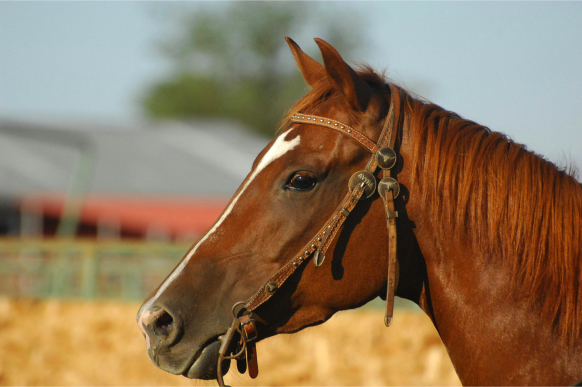
Let’s start with the basics. Here’s a list of questions to answer if you’re serious about adopting a horse:
- What do you want? What are your goals for adopting a horse? Do you want a horse for recreational riding, for a pasture pet or for competition? Decide what you want beforehand. You should know that each type of horse will have different adoption fees and levels of long-term care.
- What’s your experience with horses? Are you a newbie or a skilled rider? Are you patient enough to work through trust issues with an abused or neglected horse? Trust and patience is key to understanding any animal. For example, a quiet, senior horse is a good choice for newbie riders or new pet horse owner. But a skilled rider will look for a ridable horse who is younger, trainable, and in good health.
- Where will you keep your horse? Do you have a suitable place, enough money for food, veterinary care, and other maintenance? Adoption fees from a new horse can range from $200 to $600 for a rehabbed horse. Specialty breeds with training can from upwards of $2,000 to adopt. Remember that ongoing maintenance costs are a real expense. Review your financial inventory to ensure you can cover maintenance costs.
- Still not sure about adopting a horse? The Humane Society of the United States (HSUS) suggested a great way to test yourself: Lease a horse. Pay part of the boarding costs for someone else’s horse in exchange for riding and care privileges. You will learn about the realities of caring for a horse. If you can’t lease, volunteer experience at a local horse rescue, community stable or therapeutic riding center is another good option.
Where to Adopt a Horse
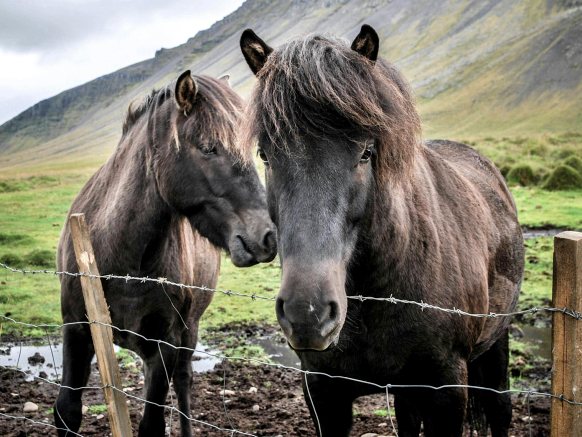
Finding a horse can be tricky and you should not horse shop without a helping hand. Talk to your vet, a skilled horse trainer, or a horse-savvy friend to help you find a good horse.
Here are a few tips:
- Horse rescues around the country like the Equus Foundation have adoptable horses. These rescue groups will match up appropriate adopters. Rescues want to ensure that the horse and rider are a good match.
- Research a network of responsible horse breeders in the U.S. The HSUS developed the Responsible Horse Breeders Council “dedicated to improving horse welfare. The goal of the council is to decrease the number of horses in the U.S. who are at risk of being neglected, abused or slaughtered for human consumption. Council members will work with The HSUS to discourage overbreeding and to promote responsible horse ownership and nationwide horse rescue and rehoming efforts.”
Explore horse rescue groups including:
- Save A Forgotten Equine (SAFE) or the American Society for the Prevention of Cruelty to Animals (ASPCA) Right Horse program with local chapters all around the country.
- Or try the US Horse Welfare and Rescue organization.
- The Wild Horse and Burro Adoption Program from the Bureau of Land Management (BLM) is another source to check out.
How to Adopt A Horse
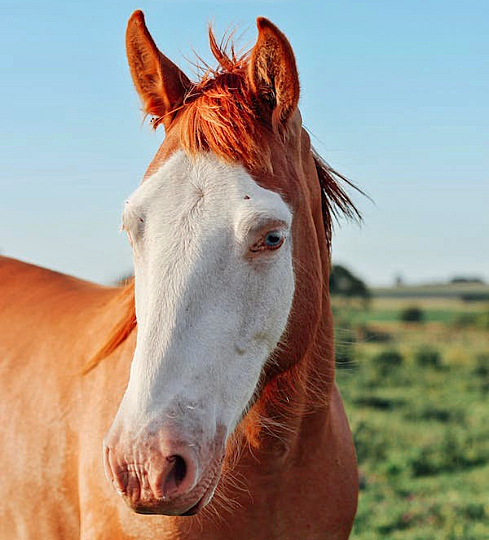
When you find a horse for adoption, remember your pet parent due diligence: Ask lots of questions.
- Is the organization a registered non-profit with their 501(c)3 status? Not all horse rescues are legitimate and there are no regulated industry standards. Ask and check around to be sure the rescue is a registered non-profit. Ask if the rescue practices rehabilitation for neglected and abused horses before placing them with a new owner. Do you feel pressured to adopt a horse? Remind yourself that adopting a horse is a huge responsibility. The rescue should want a successful adoption for the horse and the new owner.
- Did you take time to think about adoption? Can you return the horse if it doesn’t work out? A good rescue will give you a grace period for you and your horse to settle in. You should be allowed to return the horse if you made a mistake.
- Did you run a reference check on the rescue? Talk to other horse owners who adopted from the facility. Ask about the adoption experience and how the horse is adjusting. Talk to local vets for a reference as well. Check out the organization’s policies, mission and financial statements..
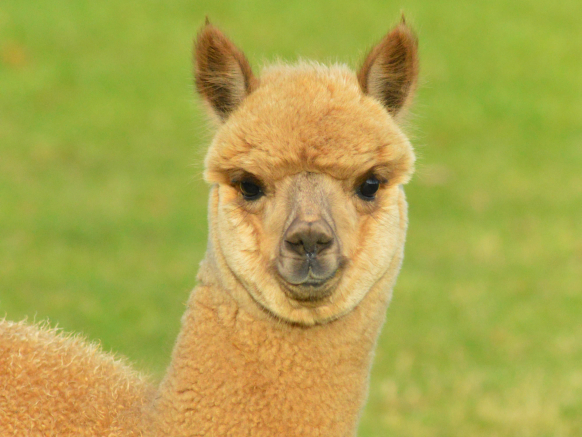
Adopting Alpacas: The Basics
Sometime people confuse alpacas with llamas. Alpacas are small (160 pounds as adults) and llamas can weigh twice as much. Both alpacas and llamas are quiet, docile and smarter than horses.
Llamas have very fine fleece while alpacas have much finer fleece. Alpacas can live up to 25 years, and have only been in the US for about 20 years. Alpacas and llamas make good family pets and companion animals.
Learn about alpaca habits, their relationship with humans and their personalities. Do you know when an alpaca is afraid or aggressive? Does an alpaca thrive alone or in a herd? What kind of exercise do they need?
Adopting an alpaca can be a life changing experience. Again, understand your financial commitment, ongoing care, time and motivation before you adopt.
Alpacas can cost $100 for baby alpacas (crias) upwards to $10,000 for a breeding female. The average cost is around $500 per alpaca.
For the serious breeder, there are alpaca competitions and shows around the world. Back in 2010, the Guinness World Book of Records listed a male alpaca sold at auction for $675,000 to the Double “O” Good Alpacas in Virginia. Yes, these breeders are serious about their alpacas!
Things to Know About Alpacas
Again, think about your goals and motivations for adopting an alpaca. They are herd animals and thrive when they interact with other alpacas.
- Alpacas are social animals. Behavior problems can arise when alpacas are kept alone. They can become depressed and anxious. A herd (2-3) of alpacas keeps them happy. Herd size depends on if you want alpaca as a pet, for breeding or fleece production. A basic alpaca guide is very handy.
- Female or male alpacas? Are females better pets than males? It depends on why you’re adopting in the first place. If you want your alpacas to produce fleece or fiber, then pick males. If you want to increase your alpaca herd, pick females. If you want pasture alpacas, pick males or females.
- Alpacas are entertaining. They are entertaining as you watch them graze in the pasture, play or do nothing. You can easily holster train them to walk around.
- Alpacas are not dangerous. These animals are easy to handle and fun to be around. They don’t head butt and are graceful runners. Alpacas won’t intentionally run over anyone. They will reflexively kick their hind leg if startled from behind. And their toenails can cut skin.
- Spit is a natural alpaca defense. As prey animals, spit is their best defense. Alpacas will spit saliva as a warning that you are getting too close. Clear spit is just saliva, a warning that they feel uncomfortable. Green, gooey spit smells awful and stains your clothes. Green and goey means your alpaca is serious.
- Alpacas are not fond of petting. Alpacas are not like dogs or cats. Dogs love petting, cats let you pet them when they feel like it. Alpacas don’t like petting. But you can train some alpacas to accept mild petting in exchange for a treat.
- Alpacas are not good pets for small children. Alpacas don’t like petting, and are tall and too heavy for small children. A short-tempered alpaca can accidentally step on children if left unsupervised.
- Alpacas offer great tax benefits in the US. For full time alpaca farmers, or casual owners, tax benefits are worth exploring.
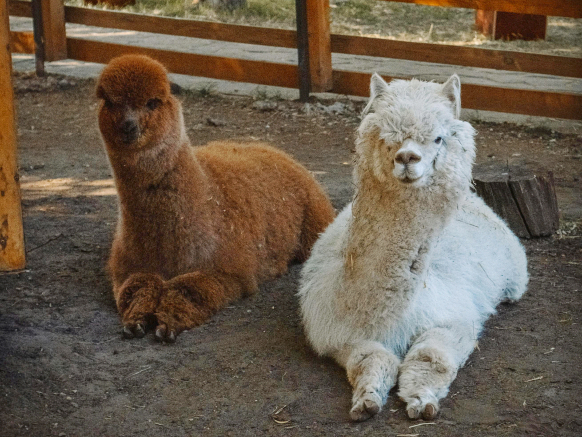
Basic Alpaca Care
Alpacas originally worked as light pack animals in the Andes Mountains. They are very surefooted for travelers. And their wool was very desirable for blankets, bags and clothing.
Today, alpaca wool is still in demand around the world. The wool is light, warm and soft as cashmere.
- Overall care: Alpacas are generally healthy and hardy. Much of their care is in annual vaccinations, regular toe care, dental care and monthly worming.
- Special wool care: Whether you raise alpacas to sell wool or as a companion animal, they require a good shearing at least once a year. Alpaca wool grows quickly. Shearing keeps them cool, clean and happy. Heavy, dirty wool is hard on your alpaca’s grooming habits. Yearly shearing keeps their skin free from external parasites and skin diseases.
- Nutrition: Alpacas are ruminants with three-chambered stomachs. This quality allows them to efficiently convert food to energy. Alpacas require much less food than most livestock. A good quality of hay and fresh cool water keeps them happy and healthy.
- Additional supplements: Vitamins, minerals and supplemental feeds are good for their health. Even with these additional items in their diet, alpacas are less costly than most domestic animals.
- Pasture nutrition: Orchard grass is the best grass for alpacas. This grass is tasty and well balanced for their diets. There are about 50 varieties of orchard grass in the US, so test your hay and pastures for nutrients. Protein levels change with the seasons – grass in the west USA will not be suitable for the eastern areas.
- Fencing: Alpacas do not challenge fencing and they don’t jump fences. The best “no-climb fencing” materials are wooden posts dug or cemented in the ground, woven wire or mesh fencing in square or triangle shapes. And think about what you want to keep out of your pasture. Livestock guard dogs or llamas are an option to keep out common predators.
- Alpaca shelters: Alpacas can live outdoors but they are sensitive to temperature changes. They will not thrive in extreme conditions. Your shelter must be big enough for a herd to move around comfortably. The shelter should protect alpacas from predators, keep them safe at night and warm in cold weather. Or a simple run in shed may be all you need.
Where to Adopt Alpacas
Apply your pet parent due diligence if you want to adopt an alpaca. Talk to your vet, ask around, and visit local alpaca rescues, farms and sanctuaries in your area.
Be sure to check on their non-profit status, financials, and reputation for adopting animals.
I found a unique Adopt an Alpaca program run by the Sisters of Providence of Saint Mary-of-the-Woods near Terre Haute, Indiana. This group is a Roman Catholic Congregation of nuns around the world “committed to works of love, mercy and justice in service among God’s people” since the 1840s.
And if you’re interested in starting an alpaca business, the Alpaca Owners Association (AOA) is a good resource to check out.
Closing Thoughts…
I hope you enjoyed learning about adopting horses or alpacas. These animals can make wonderful companion animals, family pets or pasture animals.
If you understand your responsibilities and review your lifestyle inventory you can enjoy many happy years with your horse or alpaca.
Celebrate National Horse Protection Day on March 1, and National Alpaca Day on September 26.
Thanks for stopping by!
Dr. Pet Mom
“One can get in a car and see what man has made. One must get on a horse to see what God has made.”
–Unknown
“An alpaca is a smile walking on four legs!”
–Unknown
2024 Book Update
Hope your leap year month was a great one! I enjoyed my special birthday month filled with fun and family challenges along the way. Life is full of surprises, some good, some bad.
I will finally publish my short ebook based on Dr. Pet Mom’s Delightful Pet Menagerie (DPM) Newsletter.
I’ll share the link when it’s live on Amazon. My book is free and you can download a copy on your Kindle anytime. Please stop by and take a read. Your comments and reviews are welcome!
“I have always imagined that Paradise will be a kind of library.”
–Jorge Luis Borges
Very interesting and informative, as always, Dr. Pet Mom. Thanks!