
Greetings! Welcome to the March edition of Dr. Pet Mom’s Delightful Pet Menagerie (DPM) Newsletter. Try something new and start your spring season with an important pet parent project: Spring pet care checklist for your furry family members. Read all about your spring checklist for cats, dogs and horses. Enjoy!
Spring Pet Care Checklist: Cats
Spring is the perfect time to review your kitty’s overall health and create routines to keep them healthy all year.
The warmer weather is also a reminder to prepare your living space. Spring cleaning your home will remove potential hazards and clutter. A good overall house cleaning is healthy for you and your pets.
Help your kitty prepare for the warmer weather. Focus on areas where your kitty spends most of his time. Dust your furniture and remove blankets and throws. This is the best way to spot any damage or pest infestation, and will also help to reduce allergens.
Best spring cleaning tips:
- Check for cracks in walls and floors.
- Use natural citrus sprays to prevent pest infestation.
- Seal doors, holes, chimneys and windows to keep pests out.

Grooming
And spring is the season for kitties to shed their winter coats, be more active, and undergo natural physiological changes. Your pet will need regular brushing to maintain a healthy coat, prevent matting and hairballs.
Remember that many cats do not enjoy grooming routines, so introduce grooming slowly. Grooming tips include:
- Start when your kitty is relaxed, after a meal or during your usual petting time.
- Start with gentle touching in areas in need of grooming: sides, back, behind the ears, belly and legs.
- Use short, gentle sessions for a few minutes and offer a favorite treat and lots of praise.
- Slow and steady will help your kitty be more comfortable during home grooming routines and vet visits.
Health Checks and Vaccinations
Your veterinarian will recommend a yearly wellness check to include nutrition and weight management. But if you notice any changes in your kitty’s physical health or behavior, visit your vet sooner than later.
Health checks include:
- Monitoring for fleas and ticks and review of any medications.
- Vaccinations for the rabies vaccine (annually), the feline leukemia virus (FeLV) vaccine, and maybe the feline immunodeficiency virus (FIV) vaccination.
- Ensure that your kitty’s microchip information is current.
- Review of your kitty’s body condition and any weight gain during the winter months.
- Dietary adjustments (smaller portions at meal time, more omega fatty acids for skin and coat care) and review your kitty’s exercise routines.
Safe Outdoor Areas
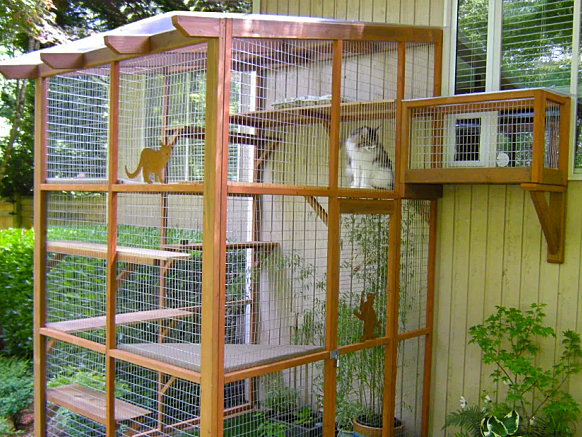
Some cats enjoy outdoor access while other cats prefer indoor life. A safe outdoor area can be a simple screen-in porch area or a catio. Remember to include an umbrella or some source for shade.
Kitties love scratching posts, perches for climbing and lots of hiding places. Create a secure outdoor area and supervise your kitty as needed.
Spring Pet Care Checklist: Dogs
Springtime for your dog means more allergens (pollen, grass, mold) in the air. Check your dog for allergy symptoms: Watery eyes, sneezing, inflamed ears or skin, excessive paw chewing.
And when you spring clean your home, remember to wash and clean your dog’s bedding regularly.
Minimize allergy symptoms by wiping down your dog’s coat and paws after every outdoor walk.
Consider an air purifier for your home and ask your vet about allergy treatments if needed. Use an hypoallergenic dog shampoo for itchy skin relief.
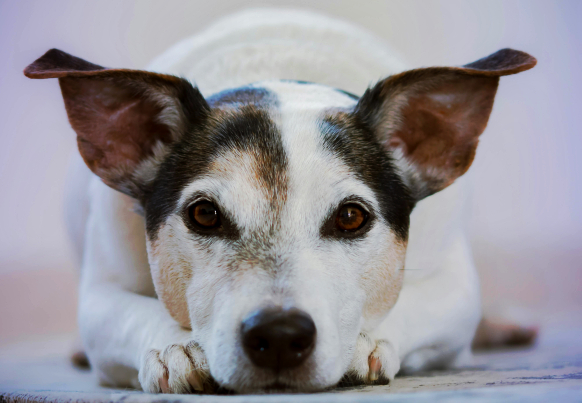
Grooming
Just like your kitty, your dog will shed her winter coat to stay cool in warm weather. Shedding causes skin irritation, matting, and excess dander in your home.
The American Kennel Club (AKC) offered these grooming tips for your dog:
- Regular brushing to remove dead hairs and prevent tangles.
- Use a deshedding brush or tool designed for your dog’s hair type.
- If you shave your double-coated breeds (Labrador Retrievers, Australian Shepherds), leave at least 1 inch of hair to protect against sunburn, skin cancer, and bug bites.
- Bathe your dog with a good moisturizing shampoo to keep his skin hydrated and free from irritation.
Also, include paw and nail care and dental care to your grooming routine.
For example:
- Rinse your dog’s paws after every walk to prevent bacterial buildup.
- Check for cracked paw pads or debris between the toes.
- Regular nail trimming will prevent broken nails due to outdoor activities.
- Use a paw balms to moisten pads and to protect pads from rough surfaces.
- A pair of protective booties will prevent irritation and burns on hot pavement.
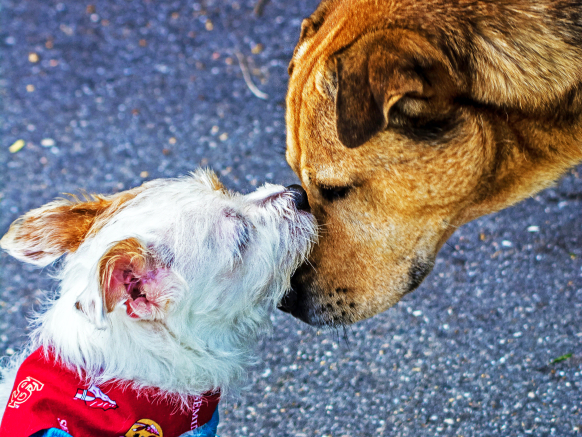
Dental care is a no brainer for your pets. Tartar buildup, bad breath and gum inflammation are signs of existing health issues. Try these tips:
- Use a dog-safe toothbrush and toothpaste in your dog’s daily dental care.
- Notice any bleeding, sore gums or swelling during your dog’s daily dental care.
- Avoid hard objects (bones, antlers) that can crack your dog’s teeth.
- Schedule a vet visit if you notice difficulty breathing or bad breath in your dog.
- Try a dental chew to reduce plaque buildup.
Health Checks and More
Your veterinarian will recommend a yearly wellness check to include nutrition and weight management. But if you notice any changes in your dog’s physical health or behavior, visit your vet sooner than later. Start your dog’s spring season with a clean bill of health.
Warm weather means that more fleas and ticks are around. Some ticks carry dangerous diseases ( Lyme disease Rocky Mountain spotted fever), and fleas irritate your dog’s skin.
Try a flea collar or a preventative from your veterinarian.
Mosquitos carry heartworm, another condition related to warm weather. This condition will damage your pet’s heart, lungs and arteries. Your vet can recommend annual testing and dosing your dog with a year-round heartworrm prevention medication.
Visit the AKC for more details for spring dog care tips.

Spring Pet Care Checklist: Horses
Any pet will need time to adjust from winter to spring. For horses, spring horse care is important for good health, mobility and performance as they gear up for trail rides, competition or farm work.
A good plan to evaluate your horse starts with an overview of her condition:
Joints and Mobility
- Cold weather exacerbates joint discomfort and stiffness. Your horse will move more in warm weather.
- And movement will strain muscles and joints in older horses or horses inactive during the winter months.
- Talk to your vet about joint supplements that reduce inflammation, improve flexibility and support joint fluid production.
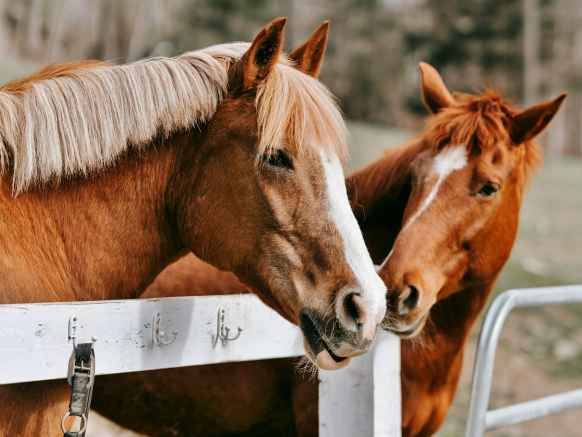
Body Condition and Weight
- Many horses lose or gain weight over winter based on exercise and dietary changes.
- Add gentle stretches to limit stiffness and improve joint flexibility. Hill work on gradual inclines help build leg and hindquarter strength with extra stress.
- Start slow with low-impact walking, ground exercises or trotting to prevent joint strain. Avoid overworking joints and muscles.
Coat, Skin and Grooming
- Check the skin and coat for signs of dryness, shedding, or skin conditions caused by winter blankets or indoor stalling. Look for rain rot, fungal infections and skin irritations.
- Use your grooming mitts, shedding blades and curry combs to remove excess hair.
- Warm weather means more brushing and bathing to remove mud buildup and dirt to avoid skin irritation. A good grooming routine also detects early signs of joint stiffness or injury, and improves coat shine.
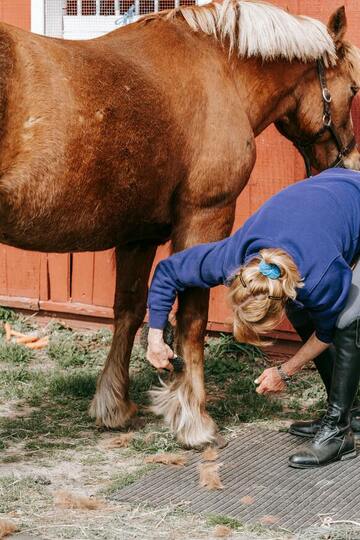
Hoof Health
- A visit from your farrier is important for hoof care to trim overgrown hooves and check for hoof health issues.
- Regular grooming of your horse includes looking at him feet. Pick up each foot, remove mud, debris and manure. If you see black grime along the edges with a bad odor, the horse has thrush. You can treat this condition with medication recommend by your farrier.
- Picking up and cleaning your horse’s feet helps him learn manners and comfort having his feet handled.
Veterinary Care
- Spring time is also a good time to update your horse’s annual vaccinations. The American Association of Equine Practitioners (AAEP) recommends every horse receive the core vaccines for tetanus, West Nile Virus, rabies and Eastern/Western Equine Encephalitis.
- Also ask about any new diseases that may be occurring in your area, your horse’s individual risk factors, and if necessary, request specific vaccinations.
- Remember to check your horse’s mouth. Ask your vet or an equine dentist about a dental plan.

Closing Thoughts…
Your springtime pet care checklist is another reminder of your pet parent due diligence. Include your pet care checklist in your spring cleaning this year.
Thanks for stopping by!
Dr. Pet Mom
“To ride on a horse is to fly without wings.” ~~ Unknown
Great information as usual, Dr. Pet Mom…you cover all the bases, especially those “little things” that I tend to overlook…much appreciated by both myself and my two feline fur babies. Thank you!
Thanks for your comments Lou! All those little things make a big difference to all kinds of furry babies!
Enjoy your week!
DPM