
Greetings! Welcome to the August edition of Dr. Pet Mom’s Delightful Pet Menagerie (DPM) Newsletter. Summer time is filled with the smell of flowers, picnics and fun times. Learn how to keep your home smelling fresh and keep your pets safe from “faux scents.” Enjoy!
The Smells of Summer
Summer time is filled with fun and fragrances. Roses, jasmine and lavender release sweet smells in the garden and around your home.
Ocean scents are salty and cooling on sunny days. The fruity scent of peaches, oranges, watermelon and strawberries refresh our senses. And tropical scents from pineapples and coconuts are wonderful smells.
Many of these delightful smells are great for humans.
But how to your pets respond to the smells of summer?

“Faux Scenting”, Pets and Family
Many pet parents use candles, incense, plug-ins, air fresheners, upholstery sprays, cigarette smoke, and gels to hide odors in the home. We might enjoy the smell of a beautiful meadow or a pine forest after a rain shower.
While we may enjoy these air-freshening products, “faux scenting” to hide indoor odors can be harmful to your pets and family.
One source suggested that these popular air-scenting products create dangerous indoor pollutants that drastically harm our pets. Research confirmed that many household air fresheners contain harmful chemicals.
For example, birds and cats are very sensitive to airborne toxins. Pipes, cigarettes and cigars can be lethal for birds when they are forced to breathe in second-hand smoke.
Your pet bird has a delicate respiratory system that does not filter out carcinogens in smoke. Birds inhale and exhale simultaneously with each breath. Their respiratory system makes birds highly sensitive to oven cleaners, hair spray, candle fumes, and air fresheners.
And your kitty is just as sensitive to air fresheners. These products contain volatile organic compounds (VOCs) that cause respiratory problems, eye irritation, liver damage and cancer.
Other facts to consider:
- Most pets are smaller than children and spend most of their time indoors, breathing in high levels of airborne toxins.
- Pets groom themselves and each other – they will likely ingest pollutants in the air and on their fur.
- Pets spend much of the time near the floor where indoor air pollutants eventually wind up.
An Environmental Impact Assessment Review study revealed that 25 common commercial fragranced products, including air fresheners, had at least 25 toxic or hazardous VOCs
Along with your pets, don’t forget about your children.
Studies also showed that children have almost 30 times greater exposure to indoor pollutants than adults based on their smaller size and greater activity level.
Many health effects of air-freshener products are not obvious – they may not ever appear as respiratory issues.
But even if your pets don’t have any symptoms of watery eyes, and you’re not coughing or wheezing, you may still be harmed by air-fresheners in the home.
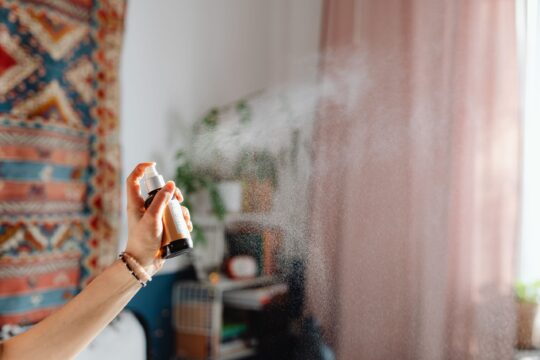
Toxic Chemicals: Air Fresheners
Here’s a list of harmful chemicals found in popular air fresheners:
- Naphthalene: This hydrocarbon has been shown to cause inflammation, tissue damage and cancer in the lungs of rodents.
- Phthalates: These chemicals are linked to a disruption in hormone levels, poor semen quality, birth defects and reproductive harm.
- Volatile organic compounds: VOCs include acetate, acetone, ethanol, and pinene. When these substances react with the ozone in the air, they generate a range of secondary pollutants such as formaldehyde and ultrafine particles. Ultrafine particles have been linked to heart and lung disease and respiratory problems.
- Formaldehyde: This compound is a known carcinogen definitively linked to cancers of the nose and throat. It also causes throat and airways irritation, potentially leading to secondary infections, nosebleeds, asthma and other respiratory ailments.
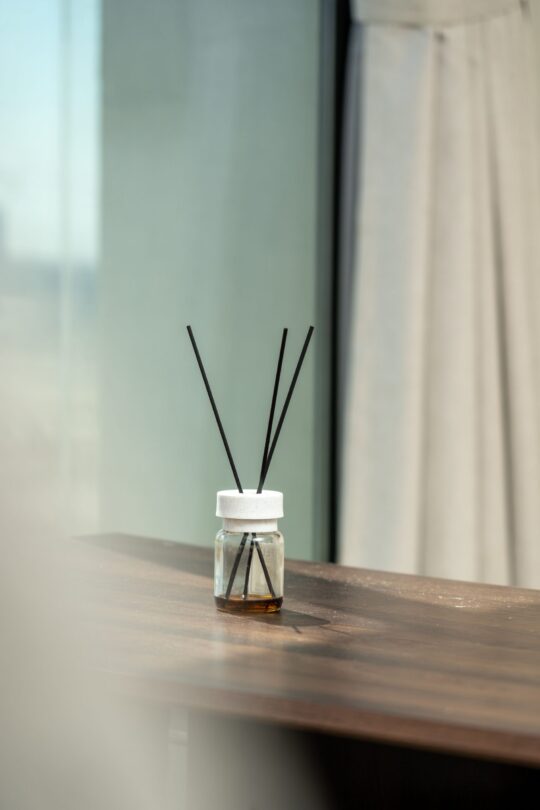
Toxic Chemicals: Scented Candles and Incense
Along with air fresheners, scented candles and incense may also contain dangerous chemicals listed above.
Cheaply made scented candles may contain toxic levels of heavy metals in the wicks. When these candles burn, the lead particles are released into the air. The Asthma, Allergy and Immunology Medical Group (AAIM) suggested that frequent use of these candles that may cause asthma attacks and other heath concerns.

Another EPA study found that chemicals released from burning paraffin candles produced toxic chemicals such as alkanes, alekenes and toluene.
Also be aware that incense can be dangerous to your health. Incense smoke is mutagenic, meaning it can cause changes in DNA that can lead to cancer.
Healthy Alternatives to Air Fresheners
Yes, you can still have both a fresh smelling home and keep your pets and family safe from toxins.
Here’s a list of alternative air fresheners:
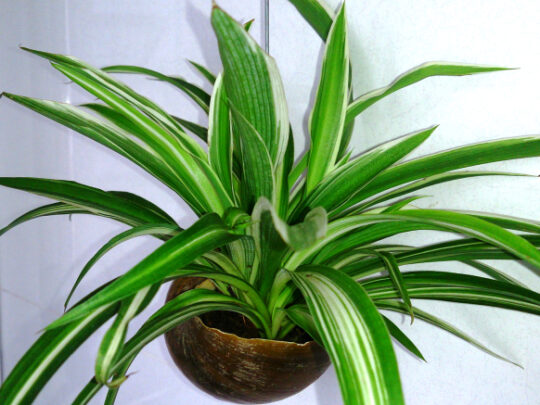
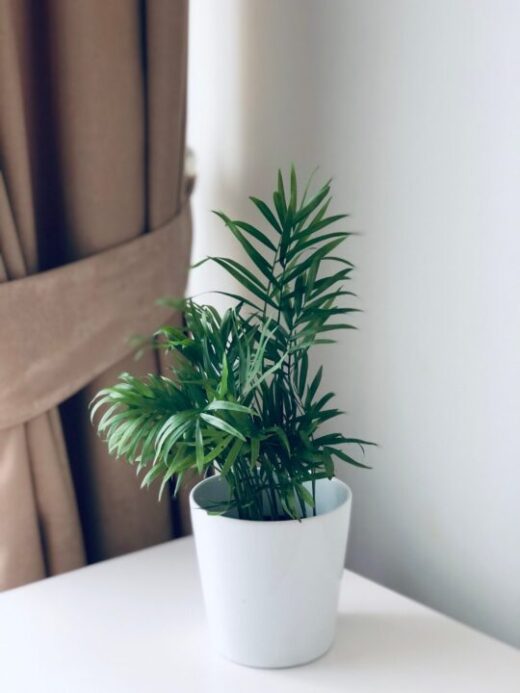
Plants: You can green up your home with houseplants that remove odors and toxins. For example, pet-friendly/kid-friendly plants include:
- Spider Plants remove carbon monoxide and formaldehyde from your home and they are super resilient.
- Bamboo Palms are excellent at filtering out airborne toxins, and they release moisture to improve humidity levels.
- Areca Palm and the Parlor Palm also clean the air of carbon monoxide, other toxins, and they are low maintenance plants.
Baking soda: Baking soda is an all-around favorite for removing bad scents around your home. Add a little to your kitty’s litter box to block bad smell from leaking out. Leave about 1/2 cup baking soda open in your fridge, bathroom or near the trash to remove bad smells.
Fresh air. When the weather is good, open a window. Open windows offer cross ventilation on the opposite sides of the home. Only 10-15 minutes morning and evening will make a difference. Also, try exhaust fans when cooking or for showers in the bathroom.
Natural scents. Try a natural scent of fresh orange rinds or simmer cinnamon or mint tea. And an indoor purifier gives you and your pets long-term benefits.
Pet-friendly essential oils. You can also find some wonderful and non-toxic essential oils safe for all kinds of animals.

Closing Thoughts…
So this summer, keep your family and pets safe with pet-friendly/kid-friendly products. Carefully read the labels on any air-freshening products you bring into your home.
If your pets have trouble breathing, stops eating, is coughing, has a runny nose, diarrhea, or vomiting, call your vet right away.
Thanks for stopping by!
Dr. Pet Mom
“Animals are like little angels sent to earth to teach us how to love. They don’t get angry or play silly games. They are always there for us.” ~~ Whitney Mandel
Dr. Pet Mom, I am grateful for this extremely useful information. I never realized the dangers to pets with these products. Thanks for sharing these findings…it’s much appreciated!
Thanks for your comments, Lou.
Happy to share what I can do to keep our pets safe and happy!
Dr. Pet Mom