
Hello! Welcome to the September edition of Dr. Pet Mom’s Delightful Pet Menagerie (DPM) Newsletter. Our pets are living longer and happier. This edition is all about the joy of adopting a senior pet! Enjoy!
Trends: Senior Pet Adoptions
We love our pets and want them to live a long, happy and healthy life. People and pets love companionship and more people are adopting senior pets.
One source reported a remarkable 2025 trend in shelters across America: Older pets are flying off the adoption floor faster than ever before!
Here’s a summary of senior pet statistics:
- 73% of adopted senior dogs showed improved behavior within 6 months (UC Davis School of Veterinary Medicine research).
- 34% increase in senior pet adoptions: Year-on-year growth reported by the American Animal Shelter Association (under the American Humane Society AHS) (January 2025).
- 65% of UK shelters now feature dedicated “golden oldies” adoption campaigns, per the Cats Protection and Dogs Trust 2025 report.
In fact, more shelters are reporting unprecedented waiting lists for dogs over seven years, and cats over eight years and up.
This wonderful pet adoption trend shows the changing attitude among Gen Z, millennials and older pet parents: People want an emotional bond with their pets more than those Instagram-ready puppies.

Yes, I will testify to adopting an older pet. My last kitty, Oscar, was an older stray cat in need of a home.
I had a sick kitty, Mr. Bean and looked for an older cat to be his therapy cat. I thought an older cat would be a great fit for him as his health turned for the worse.
Oscar helped Mr. Bean through his illness. For several months, Mr. Bean felt and played like a cat again. Clearly, Oscar already knew how to love and care for others.
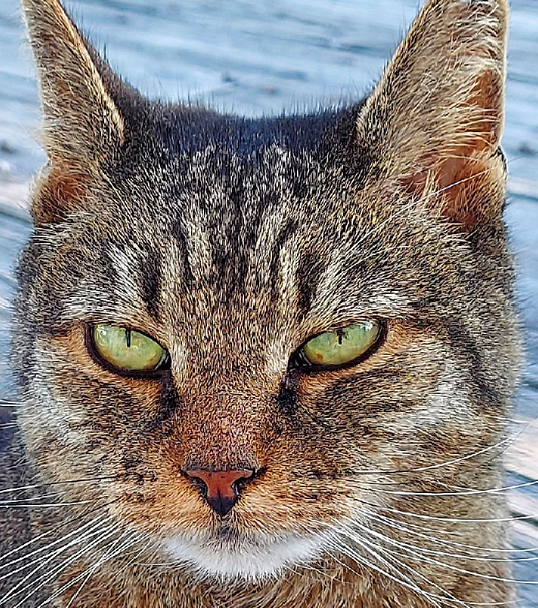
I will always be grateful to Oscar for his kind heart and caring for his sick brother.
I adopted a kitty, Mingus, also a young adult. He is a feral cat from a shelter, still slowly adjusting to a life indoors where he can be safe, loved and happy.

Calm, Loving Companions
Do you know why senior pets are a great pet for your family? Because they are grateful that you rescued them.
Shelter staff report that adopters describe their older pet as showing unusual attachment and gratitude within the first two weeks. Studies from the University of Bristol (2024), found that senior dogs showed higher levels of the bonding hormone, oxytocin, in adoptive homes.
Many senior pets are already house trained, emotionally mature and calmer than puppies.
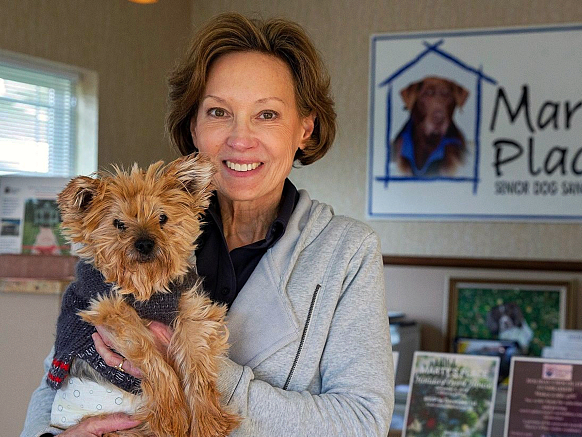
And here’s another reason why senior pets are great: They already know how to be pets.
For example, Max is a 10 year old Terrier from an LA shelter. Max waited 18 months before he was adopted by a retired teacher in November 2024.
In a few weeks, Max became a therapy animal volunteer at a local care home. He showed that age was no barrier to finding a purpose in life. Pets and people, can continue to learn at any age.

Then there’s the story about Barnaby, a 10-year-old Golden Retriever. Barnaby lived in a shelter for eight months after his owner passed away. When a working-from-home couple met Barnaby, they adopted him within 24 hours.
Barnaby fit right into his new home because he was relieved to finally have a home. Within a week, his pet parents felt like Barnaby was always part of their family.
Second Chances
We could all use a second chance in our lives. If you decide to give a senior animal a second chance, remember your pet parent due diligence.
Sure, it’s so easy to let your emotions guide your choice for a pet. But take a step back to review how any pet will change your life.
Before you adopt any animal, spend time on your lifestyle inventory. I created this helpful tool to help pet parents understand their feelings about animals before they adopt a pet.
A lifestyle inventory includes:
- Your emotional inventory is a review of your emotional awareness about animals.
- Your financial inventory reviews your budget and the long-term costs of pet care.
- Your family inventory can explore your family members’ (people and pets) feelings and commitment to adopting or fostering a new pet.
- Your pet legacy inventory helps you review the long-term care for your pet if you get sick or can no longer care for your pet.
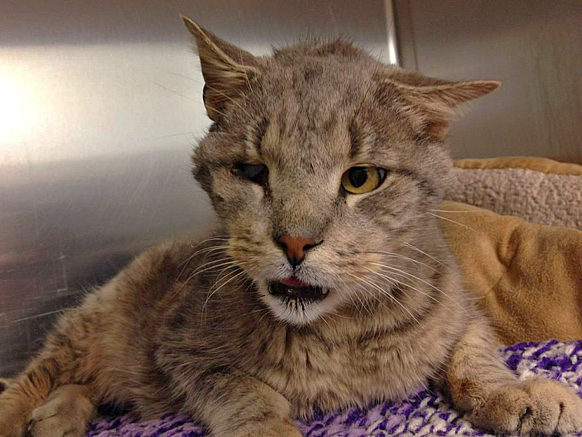
Also, understand what “senior” means for cats and dogs. The American Veterinary Medical Association (AVMA) classified “senior” as:
- Cats and small dogs are classified as senior starting around 7 years.
- Small-to-medium breed dogs at 8-11 years.
- Full senior classification for cats is 10+ years or more.
- For large dog breeds, “senior” begins around 6-7 years , since these breeds have shorter life spans.
- “Senior” also can be defined by the dog’s breed, size, age, or by the last quarter of the breed’s expected lifespan.
Caring for Senior Pets
Your pet parent due diligence will guide you to giving your pet the best quality of life you can. Here are a few helpful tips to remember:
- Your pet’s dental care is critical. Dental disease is so common in senior pets and often goes unnoticed. Look for signs of bone loss, infection, pain, and loss of appetite. Yearly or six-month dental cleanings will benefit your pet in the long term.
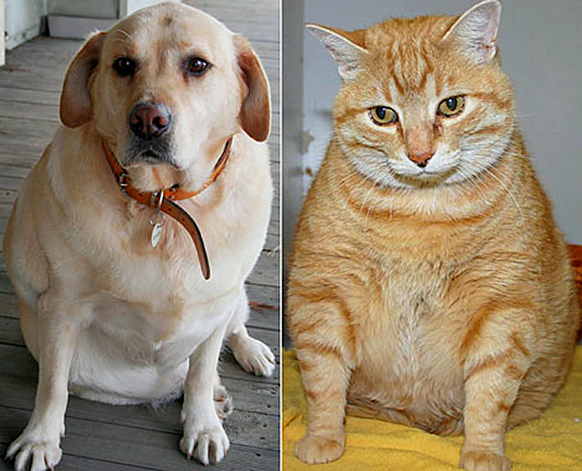
- Watch your pet’s weight as they age. Just like humans, extra weight can shorten your pet’s life. Even a few extra pounds on your senior cat or dog can increase their risk for disease (diabetes, heart, arthritis). And weight loss can also signal for underlying health issues.
- Schedule regular health exams. As your pet ages, their health issues will increase. Most veterinarians recommend that senior cats and dogs have regular check ups every six months. Regular wellness exams can help your vet watch for early signs of diabetes, cancer, heart disease, kidney or thyroid problems.
- Mobility changes are also common with age. If your pet is slow to climb stairs, jump, run, or seems stiff lying down, they may be struggling with early signs of arthritis. Check with your vet for natural therapies, supplements or medications to help your pet move with comfort.
- Monitor your senior pet’s nutritional needs. Your senior pet will need fewer calories as their activity level slows down along with their metabolism. Their food needs should support digestion, immune and joint health. Your vet can recommend foods with fiber, omega-3s for inflammation and brain function.
- Create a comfortable home setting. For your senior dog, set up stairs or ramps to access the bed, and add orthopedic beds with extra cushions. Use raised water and food bowls on hardwood floors. Non-slip rugs will prevent falls on hardwood or tile floors. For senior cats, lower litter box sides will ease their access. Keep your pet’s living space cozy, predictable, safe and secure as their bodies slow down.
- Be alert to changes in habits or behavior. Signs of cognitive changes include your senior kitty starts missing the litter box or your senior dog is anxious at night. Vision and hearing loss is also common. Watch if your cat startles easily or your dog is unresponsive to your cues. Leave the lights on at night or use hand signals to help your pet.
- It’s “just old age” is an excuse. Please don’t ignore behavior or habit changes in your senior pet. These changes may be something your veterinarian can treat or improve. Give your pet a chance to live a full and happy life with a few adjustments at home.
Closing Thoughts…
A senior pet will bring joy and happiness into your life. They will be grateful for a second chance to enjoy their life and know that they will always love you.
Thanks for stopping by!
Dr. Pet Mom
“A senior dog is not just a pet, but a lifetime of love, loyalty, and memories.”
~~ Unknown