
Hello! Welcome to the first edition of my latest project, Dr. Pet Mom’s Delightful Pet Menagerie (DPM) Newsletter. Springtime is a transition time as we leave the doldrums of winter, and spring forward into daylight savings time. Springtime is also a great time to create new projects.
To celebrate the new season, I’m sharing my newsletter with all of you, the good people in my pet parent community.

Good weather is here! You’ll want to prepare your family and your pets for more time outdoors and fun in the sun.
Springtime Pet Tips: Indoors
Let’s start with indoor tips for your pets:
- Secure any unscreened windows to prevent you kitty from jumping outside.
- Spring cleaning products contain harsh chemicals. Avoid exposing your pets to harmful chemicals. Keep cleaning products safely stored and away from your pets.
- Be aware of your pet’s allergies from dust, food, pollen, plants or insect bites or stings. If you see any signs of respiratory problems, sniffling and sneezing, itching or anaphylactic shock, call your vet right away.

- Groom your cats and dogs. The seasonal change will also mean your pets will shed their winter coat for a lighter spring version. Regular brushing of cats and dogs is a key grooming practice for pet parents.
Why? Brushing removes dead or loose fur, pollen and dandruff. And brushing slows down shedding overall. Springtime is a good time for bathing pets as needed.
Springtime Pet Tips: Outdoors
Outdoor springtime safety tips include:
- Gardening is fun for humans but watch out for fertilizers, herbicides, pesticides and insecticides with dangerous chemicals. Keep your gardening products safely stored and away from your pets.
- Your dog will enjoy a ride for trips to the park or beach. Remember to keep your pet safe in the car. Keep him in a seat belt harness or crated in the car.

- Avoid free riding in the back of a truck and sticking his head outside in a moving car. Accidents can happen and your dog can be injured or exposed to dust, flying debris, or insects causing eye or ear infections or injuries. Keep your doggy safe in the car with you.
- Ease into walking your doggy outside if she’s been stuck indoors most of the winter. Look for signs of stress (barking, tucked tail, whining, isolation) when she’s around other doggies and remove your pet from these situations.
- If you suspect your dog has allergies, walk during later morning or early evening when pollen levels are low. Wash her paws when your back indoors. Vacuum her bedding and toys weekly.
- Check your leash and collar for a proper fit. Keep your portable food and water bowl clean. Finally, check your pet’s microchip and ID to ensure they are current with your contact information.
Vet Visit Reminder
A quick reminder to schedule your pet’s annual vet visits. Keep her current on medications, vaccinations, microchipping, and a dental exam.
Many vets are conducting virtual visits that include:
- Teletriage: consultation with a health expert to answer questions and determine if a condition is an emergency or if it can wait for an office visit.
- Vet telemedicine: remote clinical services.
- Telehealth: a broad non-clinical issues such as giving advice about pet health and care.
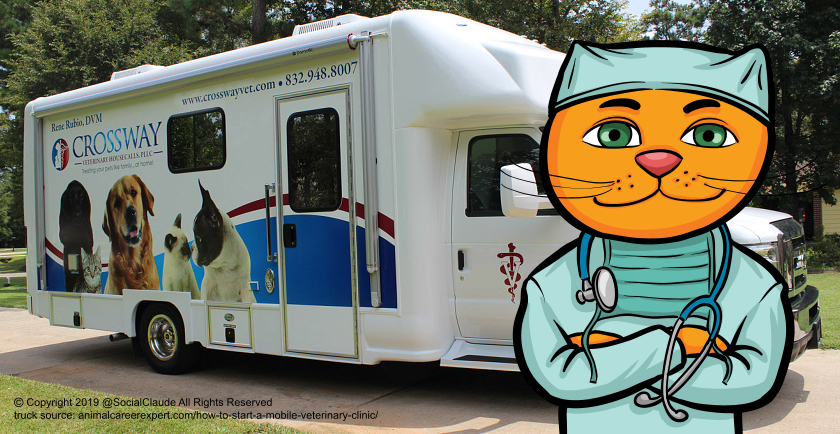
And in-home vet visits are another option. Home visits are less stressful for your pets, more convenient for pet parents and a good choice for regular exams.
Many health conditions and injuries can be treated through a vet home visit.
Plant Tips: Beautiful…But Toxic
Springtime is a good time to add some lovely plants to your home. Be aware that beautiful plans can also be toxic plants to your cats and dogs.

The American Society for the Prevention of Cruelty to Animals (ASPCA) provides a generic list of the ten most toxic plants for cats and dogs. The list includes some of popular plants such as Lilies, rhododendrons, daffodils, hydrangeas, and tulips.
Visit these links for more plants toxic to your cat or dog.
Book Update: Excerpt from Dr. Pet Mom’s Pet Parenting Guide

Each month, I will give you a special gift! When you sign up from my newsletter, I will give you a micro-excerpt from my latest book, Dr. Pet Mom’s Pet Parenting Guide: How to Enjoy the Love and Friendship of Your Senior and Special Needs Pets.
The book is planned to launch in summer 2022. Stay tuned for more details!
Please enjoy a short excerpt from my new book. Thank you!
Heart nudging. What’s a heart nudge? A heart nudge is a shared a moment of joy between humans and animals. Joy is what a heart nudge feels like to me.
It’s that wonderful feeling when you meet a dog, you look into her eyes, pet her noggin and her tail starts wagging. She is expressing and sharing her joy with you.
And many of those very special heart nudges come from senior or special needs pets. These wonderful animals are the reason I wrote this book.
For example, when I met my older cat Oscar, he was in an adoption center. Oscar watched a cluster of kittens play. The frisky and energetic kittens jumped on Oscar, played with toys around him and were fascinated by his striped tail. But he never raised a paw to hurt them.
I knew Oscar would be a the last to be adopted. He wasn’t a cuddly kitten, but a cat mellowed by age. But I also knew he was a gentle soul in need of a good home. Oscar nudged my heart by his kindness and patience. He would become my newest furry family member.
As an animal advocate, I want all animals to find a loving home. My unsuccessful search for a comprehensive book about senior or special needs pets encouraged me to write my own.
My pet parents guide is a wide-ranging collection of tips. My focus is to encourage you to adopt or foster a senior or special needs pet. New, skilled pet parents or people still thinking about becoming a pet parent, will find many valuable tips in my guidebook.
Sample tips for senior pets:
- Senior cats and dogs make a better fit for families with young children or teens. What you see is what you get (WYSIWYG). Their personalities and temperament are fully developed. Puppies or kittens have emerging personalities. And senior pets have experience living with other pets and mature families as well.
- Most potential adopters look for certain qualities in a pet. Rescue groups know that people are less concerned about a cat’s age compared to their desired traits. Talk to experienced rescue staff about pet personalities for your family.
- Remember that senior cats and dogs already know how to love. They will give you their heart and their unquestioning love. Some older animals have been neglected, afraid and alone. They appreciate a second chance to be happy in their lives, and will give you love in return.
Sample tips for special needs pets:
- Senior pets are classified as special needs, but many senior pets are perfectly healthy and adoptable. The good news is that more and more adoptive pet parents are adding senior pets to their household. A grey muzzle is a sign of maturity, not a sign of a problem.
- Before you adopt, be sure you understand your pet’s special needs condition. A chronic medical condition or disease (diabetes, epilepsy, kidney disease, chronic allergies, heart disease, cancer, or FELV/FIV) may need lifelong medication or at-home or inpatient hospital care. And talk to rescue staff and your veterinarian.
- Think about your comfort level with a special needs cat or dog. Talk to pet parents of a special needs pet, or pet sit for a friend with a special needs pet. Experience and explore living with a special needs pet before you adopt.
Volunteer: Visit a rescue or shelter facility and help with clean up duty. Staff can always use an extra pair of hands to feed, water, care and socialize their shelter pets.
Volunteer to help a local rescue with a weekend adoption event. Offer to groom, bathe, and prepare the dogs. Groomed, fresh smelling and clean pets will attract more potential adopters.
Plan Weekly Events for Pets: Open up your home on the weekends. Shelter cats or dogs would love a weekend sleepover, a day trip outdoors, and lunch at your home. You’ll give the animals a break from the noise of the shelter and make them feel important. The dogs will love some time away and the shelter staff will appreciate a break as well.
Create Dog Reader Days each week. Shelter and rescue dogs love being your companion. Find a quiet space away from the noisy shelter and read to your dog friend. Your soothing voice can do wonders for a dog’s emotional and behavioral health.
Donate Goods, Supplies or Services: Re-purpose your old blankets or towels. Shelters can always use more cleaning supplies. Spray cleaners, disinfecting wipes, paper towels, or gently-used pet supplies (food, water and feeding bowls, grooming products, toys, leashes).
Use Social Media: Share, Like, retweet, post, and use social media to support local animal rescues and shelters. Social media has helped many cats and dogs find their forever homes. Use your social media talents to put more homeless cats and dogs in front of their potential adopters.
Organize a fundraiser. Reach out to local businesses, restaurants, and bars to organize a fundraiser for an animal rescue or shelter. Events can include a doggy fashion show, pancake breakfast, wine tasting, silent auction or bake sale.
I hope you enjoyed reading an excerpt from my new book, Dr. Pet Mom’s Pet Parenting Guide: How to Enjoy the Love and Friendship of Your Senior and Special Needs Pets.
Monthly Email Invite
I invite each of you to join my monthly newsletter email list and enjoy another update from Dr. Pet Mom.
My next book excerpt will explore a lifestyle inventory to happiness for your human and furry family members.
Thanks for stopping by!
Dr. Pet Mom
“People who really appreciated animals always asked their names.”
–Lilian Jackson Braun
Sources: ASPCA Springtime Safety Tips
Preparing Your Dog For Spring
Everything You Need to Know About Virtual Vet Visits
ASPCA Top 10 Toxic Plants for Pets: What to Look Out For
ASPCA Toxic and Non-Toxic Plant List – Dogs
ASPCA Toxic and Non-Toxic Plant List – Cats
ASPCA Toxic and Non-Toxic Plant List – Horse
Easter Lilly