
Greetings! Welcome to the April edition of Dr. Pet Mom’s Delightful Pet Menagerie (DPM) Newsletter. Spring time is here! Feels like a good time to revisit and read all about your pet parenting tidbits for 2025. Enjoy!
Pet Ownership in the U.S
We all love our pets and want to keep them happy and healthy. Food, exercise, fun time and TLC give our pets the quality of life they deserve. Stability and routines keep our pets in good mental and physical health.
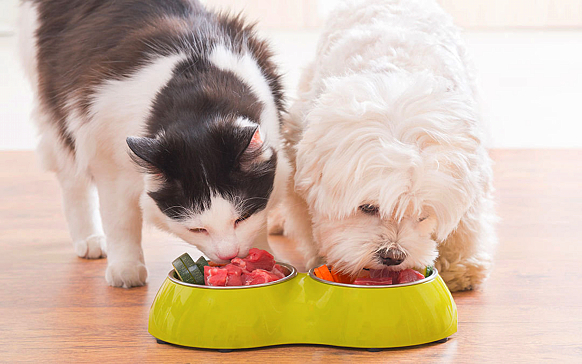
So let’s start with a quick look at pet ownership in the U.S. According to the American Pet Products Association (APPA) pet ownership in 2025 is projected to looks like this:
| Animal | Number in Millions |
|---|---|
| Bird | 6 |
| Cat | 49 |
| Dog | 68 |
| Horse | 2 |
| Freshwater Fish | 10 |
| Saltwater Fish | 2 |
| Reptile | 6 |
| Small Animal | 6 |
Dogs (#1) and cats (#2) are the most popular pets, with freshwater fish at #3. Interestingly, 2 million people are saltwater fish or horse pet parents.
And how much do we spend on our pets? U.S. families spent $152 billion on pet products in 2024, and are projected to spend $157 billion in 2025.
We spent $66.9 billion on pet food in 2024. The average cost for dogs was $143 a month, compared to the cost for a cat at $90.50 a month.
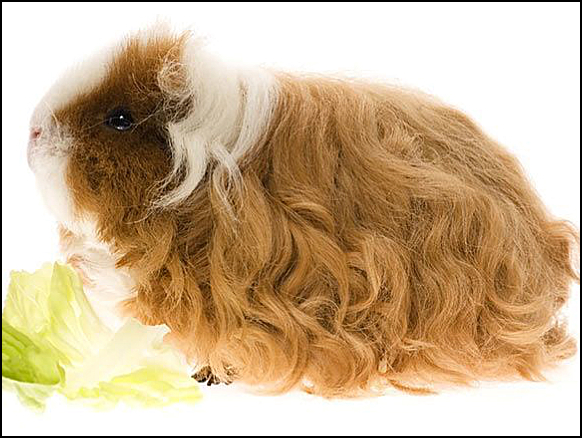
In many states, 50% of pet parents have dogs. And 83.8% of pet families in Idaho have dogs. Families in Wyoming are the most likely to own pets than any other state.
New Hampshire leads the way with more cat pet parents than any other state (163 cats for every 100 dogs). Massachusetts pet parents spend $4,596 (average) on their pets, more than any other state.
You can check out pet spending stats in your state.
Best Tidbits for Cats
As a cat pet parent, you already know that your kitty is special. Cats take over our lives in so many ways.
One tidbit to keep them happy is to create a kitty safe space. A lofty perch, a soft bed by the window or a hidden spot feels like a kingdom to your cat. Safety means security and a place to retreat and relax.
A communication tidbit is that your cat talks through her body language. Flicking tails, showing their teeth and perked up ears are warning signs (fear, stress, anger) from your cat.
A cat walking with a tall standing tail is a sign of confidence. Watch and listen to your kitty’s special language and your friend will love you.

Another kitty tidbit is understanding how to pet your cat. Affection to a cat is very personal and some don’t like it.
It sounds simple but be aware of when, where, and how to pet your cat. Chin scratches, behind the ears or on top of the head can be her favorite petting spots.
If you can get your cat to purr, you’ve hit the jackpot. The right touch and the right timing will help you bond with your kitty.
Another kitty tidbit is to remember that your hands are not toys. Not unless you enjoy getting scratched. Your hands can signal play aggression in cats and kittens.
Be smart and find toys that engage your cat in proper playing. Interactive toys, food puzzles, wand toys and automatic toys will ease play aggression.
Any toys that engage your kitty in using her paws will help you bond and control unwanted behaviors.

An outside safety tidbit for your cat: If you want to start walking outside, use a harness and leash for your cat. Find a harness that he can’t wriggle out of, and be sure to test it indoors before going outside.
There are some excellent cat harnesses to help your cat (and you) explore the outdoors safely. Be patient and keep lots of homemade treats on hand!
Best Tidbits for Dogs
And as a dog pet parent, you know that your doggy is the best in the world! Life is all about keeping your dog happy and safe.
Let’s start with a tidbit on how we feed and water our doggies. What kind of food do you give your dog? High-quality commercial food or a raw food diet?
Whatever diet you pick, remember your pet parent due diligence. If you choose a raw food diet, talk to your vet, other dog pet parents, and look at studies about the different types of raw food available.
If you want convenience, there is a variety of holistic dog foods on the market. Again, ask around and talk to people about the best foods to keep your dog healthy.
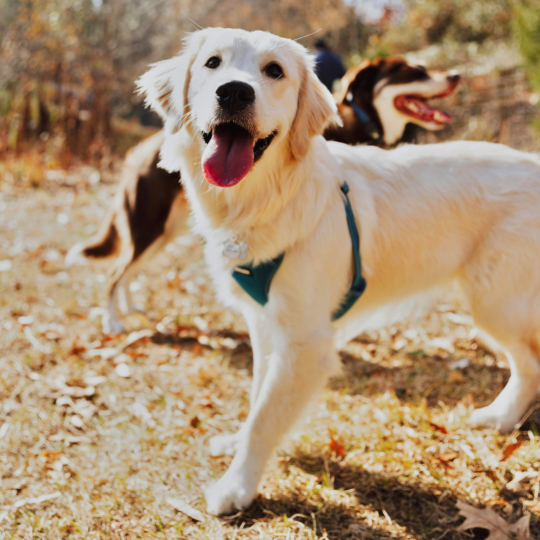
And a tidbit related to your dog’s health is to change his water frequently to stop bacterial growth. Fresh water is important after exercise and time outside in the hot weather.
Encourage your dog to drink and try a continuous flow water fountain or filtered water system. Some dogs enjoy running water which can help keep them hydrated. Remember to find a non-toxic water bowl (stainless steel, ceramic) for easy cleaning.
Our pets get bored. Activities that stimulate their minds and keep them moving are important dog parent tidbits.
Plan some fun activities for your dog. Fun can be going out to a pet-friendly restaurant or ice cream spot.
Be creative and check out a bucket list of 104 fun things to do with your doggy.
A simple game of hide and seek is also a big winner for your dog. This game is mentally and physically stimulating since your dog needs to focus to find where you’re hiding.
Let your dog see you hiding and give her a reward when she finds you. Ramp up to more creative hiding places or try to teach your dog to find a specific scent.

Another fun idea is a chillaxing day at home to pamper you and your dog. Grab a soft blanket, snuggle on the couch, and pamper your dog by trimming nails and brushing her coat.
Or build an indoor or outdoor DIY challenge course. Use a ramp, cones, doggy tunnels or buy an obstacle course set. Any stairs in your house are another tool for climbing or to use as a slide for your pet.
Your house rules should include this tidbit called the ‘no table scraps‘ rule at all times.
You already know that some human food contains ingredients that can harm your dog – chocolate, onions, raisins, garlic, any xylitol-sweetened foods are good examples.
Make sure your children and any house guests know and practice the ‘no table scraps‘ rule!
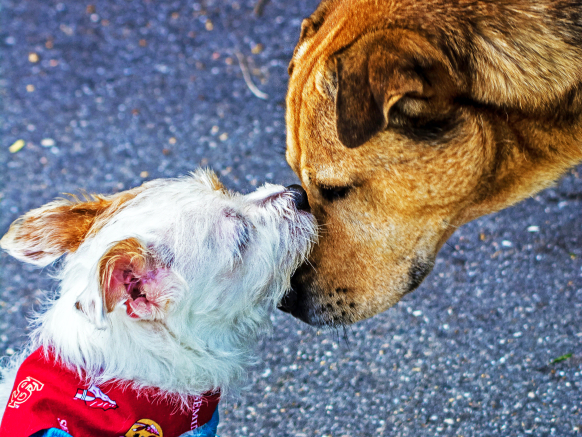
Also, a grooming tidbit for your dog is important. Check your dog’s ears, nails, and skin. Look at the pads of her feet for any sore spots or anything unusual.
Regular brushing and an occasional bath will keep your dog’s coat and skin healthy.
Find a pet-friendly shampoo and conditioner combo. A product free of soaps and harsh chemicals will keep your dog’s skin and coat healthy and well hydrated.
Best Tidbits for Horses
I’ve added horses to my growing list of fave animals this year. A highlight of my week is volunteering at a local horse farm. Watering and sweeping the barn can be a drag when the horse flies buzz around your head.
But when I jump out of my car and walk up to the barn, the first horse sticks out his head and looks my way. The other horses know something is up, and follow his lead. I laugh because they can probably smell the treats in my pocket!
I like to think of horses as big dogs with hooves. But the farm manager described of them as “big dogs with steel hooves,” a bit more accurate!
Of course, there are lists of things to know before getting a horse. Caring for a horse is very different from our smaller pets, like dogs, cats and even birds. As with any animal you’re thinking about as a pet, remember your pet parent due diligence before you add a horse to your family.
Here a few tidbits from the ASPCA and others to get your started.
My first tidbit is to check your lifestyle inventory. A horse is a wonderful pet that needs nurturing, exercise, mental stimulation and training just like any other pet.

Other tidbits include your time and financial investment. You can’t just throw a leash on your horse and go for a walk. Horses need housing, training, routines, nutrition, and ongoing veterinary care.
Your time commitment means being more than a weekend rider. Review your lifestyle and horse care experience. Understand your emotional, financial, and family inventories to know if you’re truly ready to own a horse.
If you’re unsure, spend more time working at a barn, get experience and improve your riding hours before you commit to a being horse pet parent.
Financial care for a horse is ongoing. Horse care includes:
- Hoof trimming (farrier checkups every 6-8 weeks, winter and summer shoes)
- Dental care (once or twice a year)
- Vaccinations and deworming
- Veterinary care, veterinary exams before you buy, and pet insurance.
- Nutrition (about 15 to 30 pounds of hay each day for a 1,000 pound horse)
- Emergency fund (minimum $5,000)
- Boarding fees (full time boarding, training, stall, paddock, pasture, retirement)
Another tidbit is regular exercise and socialization for your horse. Daily turn out (time outside the stalls) is best for your horse.
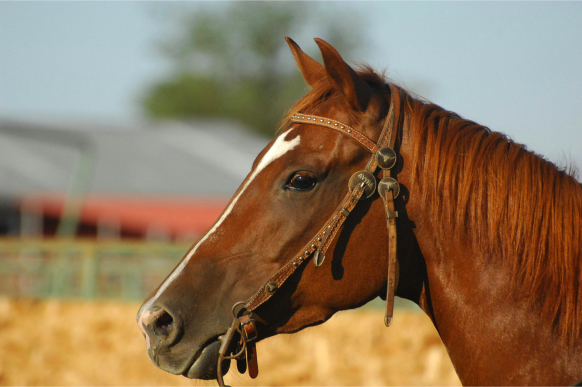
But first, you need to visit a few highly recommended local barns and talk to other horse people (owners, farriers, veterinarians). Ask about socializing your horse, training, exercise opportunities, and safe shelters.
A final tidbit again, is knowing why you are getting a horse. Do you want to ride for recreation? Or competition? Or ride as a hobby?
For example, a thoroughbred can be cheap, but is not a good pick for a novice rider. And a dressage warmblood is a beautiful horse but not good for trail riding on rocky paths.
The farm where I volunteer has two ponies, Penny and Willow. They are so cute, kids love to ride them, and…they act like drama queens.
For instance, one day, Penny saw me give a treat to Willow. When I didn’t move fast enough to give her a treat, Penny kicked her stall door and broke it down! What a drama queen! Even foals can be tricky. Professionally trained horses are better for novice riders.
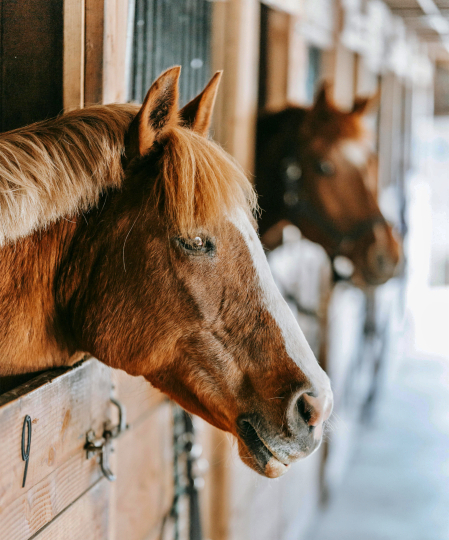
The third small horse on the farm called Harry, is a Pony of America. He’s slightly taller than Penny or Willow. He has fun trying to grab treats from my pocket, but he’s a good boy. He has a wonderful and calming personality.
Experienced horse people tell me that ponies are cute and kids love them at horse shows. But a word to the wise: Spend your money on a horse not a pony.
Basic Pet Parenting Tidbits
Let’s finish up with five basic pet parenting tidbits that are easy to overlook.
- Brush your pet’s teeth. You already know why regular brushing is important: to prevent dental disease. Bad teeth can cause many health problems. For example, 80–90% of dogs 3 years of age and older have dental disease. And 50–90% of cats 4 years of age and older may suffer from dental disease.
- I don’t know if folks have an easier time brushing their doggie’s teeth. Speaking from experience, for most cats, it’s a nightmare.
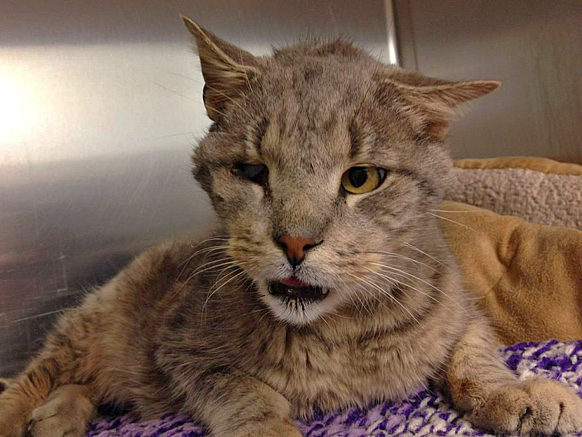
- Ideally, start brushing when your pet is young. Start slowly 15-30 seconds, and 1 minute is recommended. Keep the brushing short and finish your session with petting and happy talk.
- Or you can try a food or water additive. Or ask your veterinarian for help cleaning your pet’s teeth.
- Pet obesity starts at a young age. Pet obesity is a sad and common health issue for dogs and cats. Studies from 2022 found that 61% of cats and 59% of dogs are overweight or obese. Just like in humans, obesity causes health conditions like arthritis and diabetes in your pet.
- Monitor your pet’s weight early. Ask your veterinarian to check the “body condition” score of your dog or cat.
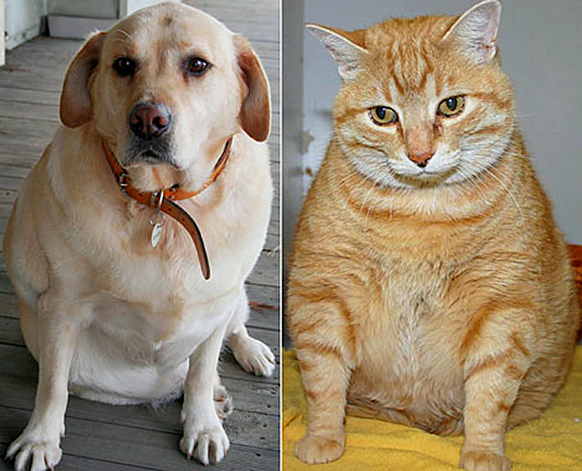
- Remember that dogs and cats have different nutritional needs as they grow. Feed your pet high-quality nutritional food approved for their stage in life.
- Stay on top of regular screening tests. To save money, you might decline your pet’s lab work at a wellness exam. Again, just like humans, your vet can monitor your pet’s health with urine test and blood samples. Annual vet exams are a tool to monitor your pet’s overall health.
- Lab tests can find health conditions (kidney disease, diabetes, hyperthyroidism) early. Your pet can recover better with an early diagnosis and intervention.
- Save money with pet insurance. A pet insurance plan for cats and dogs can be comprehensive (accident, illness, not pre-existing), accident-only, or wellness/preventative (add-on plans to spread out the cost of dental care, vaccines, and other wellness treatments).
- Remember your pet parent due diligence. Make sure to look at coverage for different insurance companies. Most plans have a waiting period and usually don’t cover pre-existing conditions.
- Mental health is good health. We already know that dogs and cats feel anxiety depression, trauma, phobias, and dementia. Our pets get bored and need mental stimulation. Puzzle games and regular exercise will keep them happy.

Closing Thoughts…
Your pets deserve the very best care you can give them. This blog is a reminder to me to give my pets a good quality life.
I hope these tidbits help you keep your pets happy and healthy.
Thanks for stopping by!
Dr. Pet Mom
“Animals don’t hate, and we’re supposed to be better than them.”
–Elvis Presley