
Greetings! Welcome to the October edition of Dr. Pet Mom’s Delightful Pet Menagerie (DPM) Newsletter. Throughout the year, you can find lots of days, weeks and months to celebrate animals. This edition highlights some of my fave national animal days in October. Enjoy!
Month-Long Pet Holidays
Adopt a Shelter Dog Month. The American Society for the Prevention of Cruelty to Animals (ASPCA) highlights their adoption programs around the country.
In October, the ASPCA also promotes its The Rescue Effect, a national campaign to help homeless animals find their furrever homes.
I love Adopt a Shelter Dog Month as a reminder that when you foster or adopt a shelter animal, you also open up resources and space for shelters to help even more animals.
I’m a long time volunteer for a local cat rescue, Bay State Animal Cooperative. We are a real life example of the rescue effect with our fosters around the country, and adoptions throughout the year.
Black Cat Awareness Month. The myths about black cats date back to the 13th Century. The superstition that black cats bring bad luck is an old and tired myth.
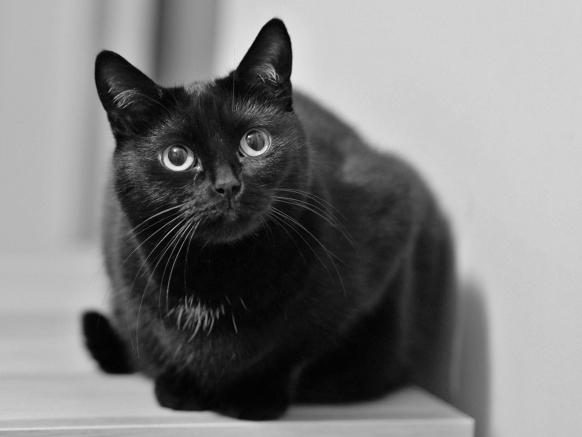
Here’s another myth: Black cats are the most euthanized and the least adopted of all homeless cats. Reality is very different. One source revealed that:
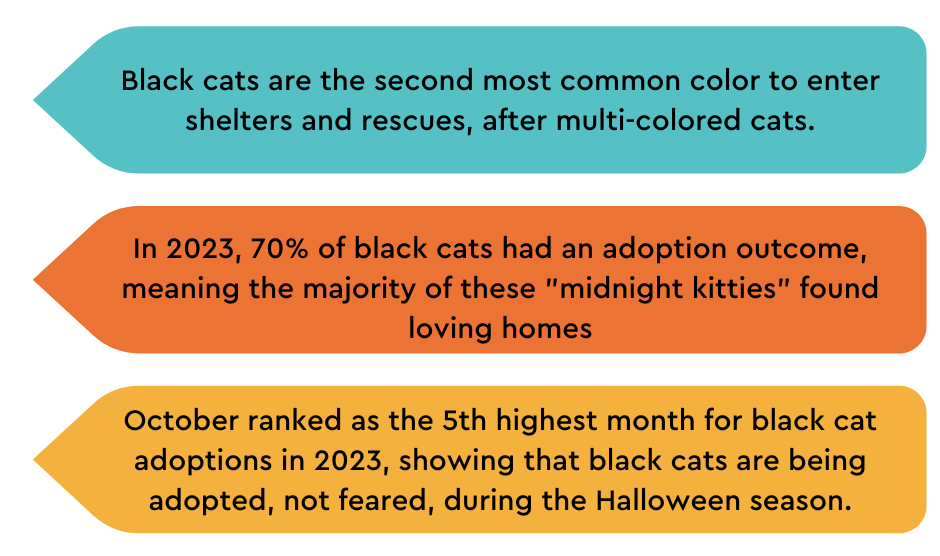
Myths are create from a lack of data or misinformation. Outdated myths suggest black cats are harmed or ‘sacrificed’ in the months leading up to Halloween. The animal welfare community (Humane World for Animals, ASPCA, Best Friends, Operation Kindness) – strongly deny and debunk these myths.
I work with a cat rescue and we never have an overflow of black cats. Both our kittens and adults, are quickly adopted.
National Pet Obesity Awareness Month. As a pet parent, you want to give your pet the best quality of life possible. Quality includes a healthy weight, lifestyle and a good diet. National Pet Obesity Awareness Month highlights your responsibility as a pet parent.
A source noted that 60% of cats and 56% of dogs were reported as overweight or obese in 2018.
Like humans, obese pets are at risk for high blood pressure, diabetes, heart disease, cancer, arthritis and bladder stones.
Below is a body condition chart for cats:
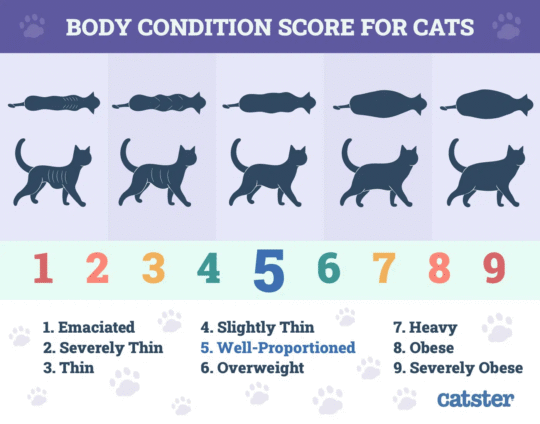
Weight control in pets is another topic close to my heart. When we adopted my feral kitty, Mingus, he was very thin. Over time, I must have overfed him and he grew from 14 pounds to a hefty 20 pounds! My bad for sure 😔.
Our vet put him on a 300 calories a day diet to lose 1/2 pound a month, until he reaches 14 pounds. It’s a slow process but he likes the weight control food. Now his weight is moving in the right direction!
National Pit Bull Awareness Month. Pit bulls are one of the most loyal, affectionate, and misunderstood dog breeds.
Loyal because they love the companionship of people who understand them. Affectionate when they show you their goofy pit bull ‘smiles’ when they feel happy and relaxed.
In reality, a “pit bull” is a label, not a breed. This generic pitty label describe dogs with certain physical traits- muscular build, square heads, and big smiles!
The label includes breeds and mixes, such as American Pit Bull Terriers, Staffordshire Bull Terriers, American Bulldogs, and mixed-breed dogs with similar features.
Pit bulls are misunderstood as dangerous and aggressive dogs. But there are tons of stories about a pit bull who saved a baby from a burning house, rescued a child from a dangerous fall, and warned a man to get to the emergency room before the onset of a heart attack.
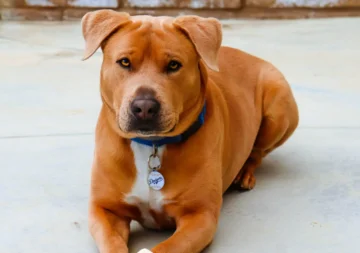
I enjoy meeting all types of dogs. When I see a pitty, my first thought is not fear – I watch how the dog is acting around the owner.
Of course, always ask to pet the dog, and some people are surprised that I want to pet their pitty. A woman pushing a baby stroller or a man walking comfortably with a pitty on a leash, tells me a lot about the dog.
Celebrate these loving pit bulls and their positive attributes. They are amazing dogs have had a TV show, Pit Bulls and Parolees for 18 years!
Week-Long Pet Holidays
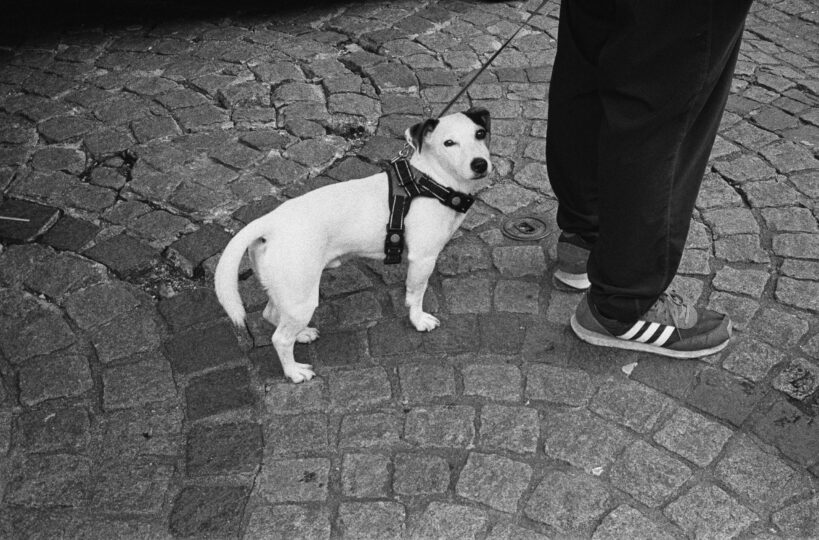
October 1-7: National Walk Your Dog Week. Walking your dog is a key part of responsible pet ownership. But sometimes we all get busy.
National Walk Your Dog Week is a reminder to get back and stay in the routine of walking your dog.
This special week links to National Pet Obesity Awareness Month. Obesity can lower your dog’s lifetime by two years. Humans are currently at 69% obesity – we already know all about the health conditions caused by excess weight.
Walking tips for your dog:
- Ask your vet about how much exercise your dogs needs. Most dogs need at least 30 minutest to 1 hour of daily exercise. But that depends on your dog’s life stage, health condition, and health needs. Make a plan for targeted exercise that meets your dog’s requirements.
- Stick to a daily routine. Set an alarm as a reminder to walk your dog at the same time every day. Dogs learn quickly and will nudge you a reminder before the alarm rings.
- Check the weather. Avoid extreme weather (hot or cold). Walk in the middle of the day in the winter, and early evening during the summer. Protect your dog’s paws when the weather is above 75ºF or below 45ºF. Also, think about indoor places when the weather is bad. Many hardware stores such as Lowe’s and Home Depot welcome well-behaved, leashed dogs.
- Consistency counts. Even if you can only have 15 minutes that day, it’s better to go out for a short walk than skip the walk entirely. Keep the routine going. We all have off days. And don’t kick yourself if you miss a day. Start again tomorrow.
Do your dog and yourself, a favor and stay active.
October 5-11: Animal Welfare Week. First full week of October. Animal Welfare Week brings awareness about the care of all animals and to promote humane treatment.
This annual event shines a spotlight on animal well-being and supports people, organizations, and animal advocates who team up for animal welfare concerns.
You can help animals in many ways:
- Volunteer for a local shelter or rescue.
- Adopt a homeless animal.
- Support local adoption events.
- Start a fundraiser for your favorite animal.
- Attend community outreach programs for animals.
Enjoy and celebrate the lives of all animals. They deserve healthy, happy lives, and humane treatment.
October 12-18: National Veterinary Technician Week. Veterinary Technicians are the heart of the veterinary healthcare team. The National Association of Veterinary Technicians in America (NAVTA) celebrates credentialed veterinary technicians everywhere.
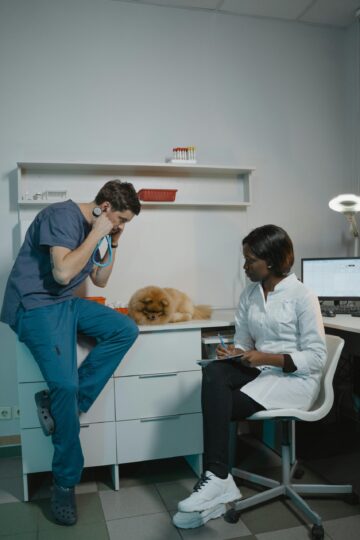
These pet care professionals work in public health, laboratories, emergency and specialty care, research and general practice.
I take my hat off to these vet technicians! Mingus is a problem child when it comes to trimming his nails. He can be a feisty man when it comes to touching his paws.
I have to give him calming medication before the procedure, which doesn’t always work. The vet techs try to keep him calm, a thankless and not always successful task.
Veterinary technicians deserve our thanks and a week of celebrations!
One-Day Pet Holidays
October 1: National Fire Pup Day. Many people don’t know about National Fire Pup Day. This day celebrates the canine members of America’s fire departments. Fire pups are firehouse mascots and brave companions to firefighters.
Dalmatians were first used in firehouses in the 1700s. These brave dogs were companions to firefighters and offered a calming effect on horses that pulled fire carts.
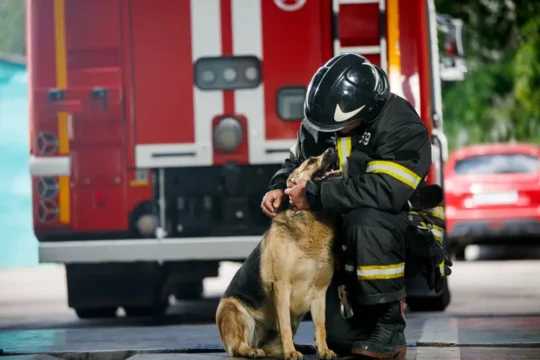
Today’s fire pups serve expanded roles in:
- Detection: Fire pups use their acute sense of smell to detect hazardous substances (gasoline, chemicals, accelerants, explosives). These dogs play a key role in fire prevention.
- Search and Rescue: Dogs are trained to locate people trapped in buildings or rubble. Their keen sense of hearing and smell help them find people easier than a human search team.
- Service dogs: Fire pups also act as service dogs to help victims and first responders with disabilities from injuries. These dogs help people be more independent in their daily activities.
- Therapy dogs: Dogs know how to cheer people up! Fire pups are also therapy dogs to firefighters and emergency first responders in their stressful jobs. These dogs give emotional support to victims and responders dealing with trauma.
Celebrate National Fire Pup Day with a donation to you local fire department or animal rescue, volunteer in your community, or adopt a fire rescue dog.
October 21: National Pets for Veterans Day. We can never do enough to honor our veterans. National Pets for Veterans Day is a day to honor our veterans and the gift of unconditional love and support from their animals companions.
Almost to 51% of people who experienced a traumatic event when physically injured suffer from post-traumatic stress disorder (PTSD). These veterans have a lower quality of life due to insomnia, flashbacks, and other emotional issues.
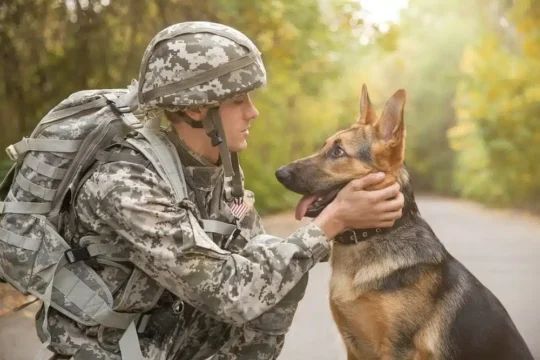
Celebrate our veterans and their animal companions:
- Reach out and thank the veterans in your neighborhood or family.
- Drop by your local animal shelter or VA to pay the adoption fee for one of these deserving veterans.
- Donate a care package of training treats, toys, and other pet supplies to a new dog owner.
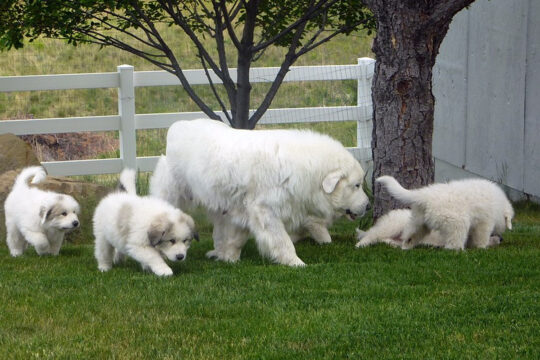
October 26: National Livestock Guardian Dog Appreciation and Awareness Day. Livestock Guardian dogs (LGD) work hard to protect sheep, cattle, goats and chickens for farmers and ranchers around the world.
You probably know them as “big white fluffy dogs”. These brave dogs have been around for centuries. LGDs wander wide open ranges, tribal territories, and land in between.
The Great Pyrenees (this breed has an extra set of claws, known as dewclaws), and the Tibetan Mastiff are the most common LGDs. But other breeds include:
- Akbash and the Aksaray Malaklisi from Turkey. Some sources noted that two Aksaray Malaklisi dogs can guard between 700-800 sheep.
- Azawakh from West Africa. This breed has a fragile frame, but these dogs can capture wild boar and antelope.
- Buryat-Mongolian Wolfhound from Russia. This breed may be the forefather of all Livestock Guardian dogs.
- Cao de Castro Laboreiro from Portugal. In the present day this breed is more likely to be a companion dog rather than a working livestock guard dog.
- Georgian Shepherd from Georgia. This breed was close to extinction until devotees of the Georgian Shepherd stepped in in 2000.
- Himalayan Sheepdog from China, India and Nepal. This breed may be confused with the Tibetan Mastiff.
- Komondor from Hungary. Also known as “mop dogs” because of their coat, the Komondor was officially declared one of Hungary’s national treasures.
- Kuchi from Afghanistan. This breed, whose name derives from the Kuchi people, is also referred to as “Dog of the Nomads.”
- Tibetan Kyi Apso from Tibet. This breed is related to the Tibetan Mastiff.
- Tornjak from Bosnia and Herzegovina and Croatia. This breed’s history dates back to the 11th century.
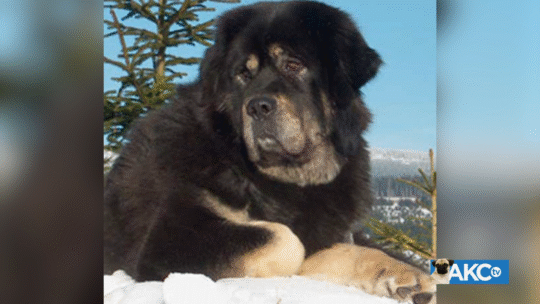
Livestock guardian dogs deserve a day of appreciation. Based on their size, LGDs are less prone to injury or to contract an illness on the job. LGDs have thick coats for warmth against cold weather, and more body fat allows them to go longer without eating.
While livestock guardian dogs make a profound contribution to our lives, no one knows how many LGDs are lost annually to predation or disease. In many states, livestock guardian dogs are classified as livestock, leaving them vulnerable to abuse and neglect.
My neighbor loves big dogs and had Newfoundland and a wonderful Great Pyrenees named Samson. She adopted another Great Pyrenees named Glacier, with her white and grey coat. I love meeting Glacier the street – she’s such a kind and gentle dog.
Celebrate LGD Day with treats for your canine companion. Spend the day making fun and memories for your pet!
Thanks for stopping by!
Dr. Pet Mom
“Animals are a gift from above for they truly define the words unconditional love.” ~~Heather Wolf