
Greetings! Welcome to the September edition of Dr. Pet Mom’s Delightful Pet Menagerie (DPM) Newsletter. This month, I’m reminded about why I created this blog: to encourage people to adopt rescue and shelter animals.
My kitty Oscar who passed away last year, was adopted from a rescue. My latest family member, Mingus, was a feral cat, adopted from a shelter. Homeless animals may have special needs, like senior pets or hard to adopt pets, like a feral cat or dog. Let’s celebrate the joy and happiness of special needs pets. Learn all about them and enjoy!
The “Special” in Special Needs
Special needs animals have a warm place in my heart. Remember that special needs pets don’t want your sympathy. They just want to enjoy their lives.
“Special needs” covers a variety of conditions, visible or hidden. For example, special needs condition include:
- Physical disability/Sensory: (missing limb, deaf, blind)
- Illness (chronic health condition, diabetes, epilepsy)
- Senior pets: (cats are senior at 10 years, dogs’ age depend on the breed and size)
- PTSD
- Hidden disorder: (anxiety, depression, behavioral conditions)
But a special needs pet does not mean ‘broken’, damaged or old. Your patience will make a big difference in the lives of these pets.
Senior pets are not always special needs pets. Many senior pets are strong, healthy and adoptable.
The good news is that more and more adoptive pet parents are including senior pets in their families. A grey muzzle is a sign of maturity, not a sign of a problem.

5 Myths: Senior Pets
Sometimes pet parents assume that changes in appetite or activity levels are the result of old age. But this mistake can harm your pet.
The reality is that change may be a sign of a treatable disease. Learn to avoid these five common myths and take good care of your senior pet.
Myth #1: Senior pets will cost a fortune in veterinary bills.
All pets are different. You can’t judge the cost of veterinary bills based on a pet’s age. Get a veterinary checkup before you adopt. Many rescues and shelters give the animals a veterinary checkup. Ask about a checkup before you adopt.
Cats and dogs of any age can develop health conditions. Remember that kittens and puppies can also develop health problems.
Myth #2: I’m not qualified to foster a senior pet.
Anyone can be a foster pet parent. Shelter and rescue staff can help you with any questions. They are available for first-time or experienced foster pet parents.
Staff will help and remind you of the important role of fostering shelter and rescue animals. Many organizations provide supplies, food, and cover the cost of any veterinary bills.
Myth #3: Senior pets are problem pets.
Most of the time, animals are living in a shelter because their pet parent lost their job, or had failing health.
Please don’t blame the animal for being in a shelter. Keep an open mind when thinking about adopting or fostering a shelter animal. They deserve the second chance that you can give them.
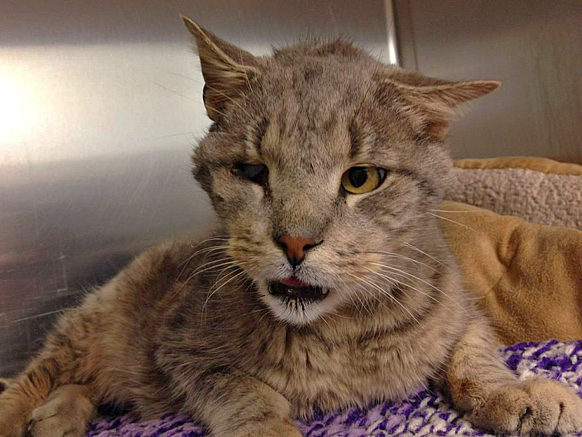
Myth #4: Senior pets can’t learn new tricks.
Any animal in good health can enjoy daily play time. Include regular mental and physical activities in their daily routines.
Older pets love to learn new tricks that stimulate their minds. With your patience, older pets can learn new commands and tricks. Give them a chance to exercise their minds and bodies!
Myth #5: It’s just old age.
Senior pets will experience health conditions related to their age. But how can you be sure it’s ‘just old age’? You can’t be sure. Age is not a predictor of your pet’s health.
Older pets are vulnerable to progressive disease. But arthritis, cancer, diabetes, liver, kidney, and heart problems may be treatable.
If you notice any changes in your pet’s appetite, visit your veterinarian right away. Disorientation, confusion, urination, or stiffness also need a vet checkup. Do not wait for the condition to get worse because of your pet’s age.
With good pet parenting, our pets can live a long life. Quality pet care includes the amenities (food, toys, veterinary care) and the tender loving care we give our pets.

5 Myths: Special Needs Pets
Special needs pets know that a medical, physical, or emotional condition won’t slow them down. They love to play, run, fetch, take long walks, swim, and cuddle with you.
Special needs animals can be sick, physically disabled, or have an emotional condition. Or not – some are senior animals with no major health problems.
Myth #1: Disabled animals can’t have a good quality of life.
Special needs pets can enjoy a full, active and happy life. They love to play and enjoy the outdoors as much as any other animal.
Special needs pets don’t feel sorry for themselves and will love you for giving them a second chance to enjoy life.
Myth #2: Special needs pets have a lot of medical problems.
Any pet can have medical problems at any age. Special needs pets may need extra help (carts, pet wheelchairs, prostheses).
Clicker training (sound) or sensory training (smell) for blind pets keeps your pet active and happy. Deaf pets respond to sight signals (light, movement). These pets may need more time to adjust. But your patience can help special needs pets adapt and be happy.

Myth 3: Adopting a special needs pet feels overwhelming.
At first, adopting any pet can feel overwhelming. Many special needs pets can live and enjoy long happy lives. With your patience, good veterinary care, and regular playtime, you can a give your pet a quality life.
Myth #4: Special needs pets are different.
In some ways, special needs pets are different. They need extra care and pet-safe areas (non-slip floors, carpeting around sharp corners). But special needs pets don’t know they are different.
Again, they don’t want your pity. Special needs pets live and play in the moment, run free in their wheelchairs along the beach and sit by your side in the park. They enjoy their second chance in life and want you to enjoy it with them.
Myth #5: Special needs pets are too expensive to care for.
You can gauge your investment in keeping your special needs pet happy. For example, you can invest in a comfortable, top quality-bed. Look for beds with low sides for entry, lots of space to move around, and a head rest. A roof for warmth and breathability for the hot and cold weather make for a comfortable pet bed.
Since dogs sleep about 50% of the time and rest around 30%, a comfortable bed is important. Cats sleep about 12-16 hours daily.
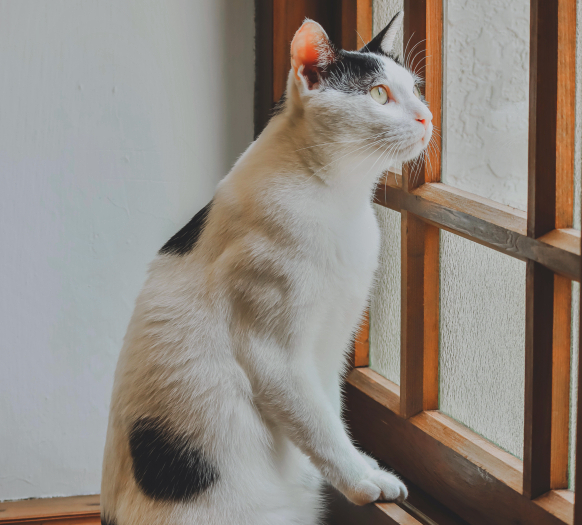
A nice window seat, catio or perch are great for napping. Practical furniture can be a pet bean bag chair or dog basket. Create a crate entertainment center, or a pet sofa, and keep the items within easy reach.
Best Tidbits for Special Needs Pets
Here are a few tidbits to care for your special needs pets:
For a cat with a physical disability: Find a litter box with a ramp for easy access.
For amputee pets: Use a wheelchair, cart, or brace for mobility and exercise.
For deaf animals: Try sign language. Point to your mouth to show your pet when it’s meal time, or show them the leash when it’s time for a walk.
Use a gentle approach and a soft touch, like a feather to get her attention. Find similar toys that stimulate her mind and keep her active.
For blind pets: Use a different scent in each room until she is familiar with each area of the house.
Spray catnip around the litter box until she knows how to find it. Give her toys with texture, sound, smells, or different shapes.
For a pet with anxiety: Give him an item covered with your scent (like your dirty sock) to keep him calm. With patience and practice, you can also train your pet to learn new tricks.

Before You Adopt…
Before you adopt any animal, spend time on your lifestyle inventory. I created this helpful tool to help pet parents understand their feelings about animals before they adopt a pet.
Another tip is your pet legacy inventory, a long-term plan for your pet’s future.
A lifestyle inventory includes:
- Your emotional inventory is a review of your emotional awareness about animals.
- Your financial inventory reviews your budget and the long-term costs of pet care.
- Your family inventory can explore your family members’ (people and pets) feelings and commitment to adopting or fostering a new pet.
- Your pet legacy inventory helps you review the long-term care for your pet if you get sick or can no longer care for your pet.
Review your time and true commitment before you adopt a special needs pet.

Closing Thoughts…
I hope you consider adopting a special needs pet in your lifetime.
I found my last kitty, Oscar, at an adoption event in a local store. One last kitten was waiting to be picked up, and Oscar was the only one left.
As an older kitty, he was overlooked. But Oscar kept a watchful eye over the kittens in his adoption den. He lay there quietly as kittens leaped over and around him.
Right then, I knew Oscar would be the next member of my family. He developed health problems over the years, but he enjoyed a full and loving life with us.
Oscar will always be in my heart, never a moment of regret in adopting him.
Thanks for stopping by!
Dr. Pet Mom
“Pets come into our lives to teach us about love, they depart to teach us about loss. A new pet never replaces an old one, but merely expands the heart. ~~Author Unknown
Dr. Pet Mom – thank you for this wonderful article, and for all of the great information and insight regarding special needs pets. The love that they give to you is incredible…such an awesome gift. Thanks again for this great article!