
In 2020, I interviewed several people who dedicate their lives to helping animals. These wonderful people included the founders from Project K-9 Hero Foundation, Midwestern Animal Rescue Services, Pup N Iron Canine Fitness and Peggy Adams Animal Rescue League.
Continue reading “2021 Updates: Project K-9 Hero Foundation 🎖️”Category: Pet Adoption
Pets For Life in Pet Service Deserts 🐱 🐶 🐇 🦜

Have you ever heard of a pet service desert? It’s a community where services for pets are not available or affordable. Families in pet service deserts live in low-income areas. But the Humane Society of the US (HSUS) Pets For Life (PFL) program is working to close the gap in pet wellness services.
Continue reading “Pets For Life in Pet Service Deserts 🐱 🐶 🐇 🦜”Cure College Campus Blues: Try Therapy Dogs 🐶

School can be fun, but stress is a way of life for most college and university students. Long days of classes and studying can challenge your well being. But time spent with a furry friend can turn a frown upside down. And smiles and joy will do wonders for our mental health!
Continue reading “Cure College Campus Blues: Try Therapy Dogs 🐶”Volunteering For Pets 🐱 🦜 🐶

In a few weeks, it will be time to change the clocks again. Changing the time reminds me that the holiday season is right around the corner! It’s only October. But if you love shopping, you can find Black Friday and shop-early-for-Christmas sales in the stores this month.
I’m also thinking of other ways to make the holidays meaningful for my animal friends and pet parent community.
Continue reading “Volunteering For Pets 🐱 🦜 🐶”September Pet Awareness Days 🗓️

September is a good month for cooler weather and promoting animal awareness events. September awareness events encourage pet adoptions for less-popular animals.
Pet lovers can use creative social media to help special needs pets gain attention. The month ends with a day to remember homeless animals around the world.
Continue reading “September Pet Awareness Days 🗓️”August Pet Awareness Days 🗓️
August is a big month for cats and dogs everywhere. Assistance Dog Week, International Cat Day and National Dog Day are some examples.
Celebrate and enjoy some special days with your cat and dog friends!
Continue reading “August Pet Awareness Days 🗓️”How to Recognize and Treat Pet Anxiety 🐶 🐱

Separation anxiety is a growing worry for pet parents returning to the workplace. During the 2020 lock down, loving families adopted cats and dogs from rescue and shelter organizations.
Many rescue pets came from unknown pedigrees. But some breeds are more prone to separation anxiety. Breeds like the Alaskan Klee Kai, German Shepherds, Labrador Retrievers, Border Collies, Vizslas and Cocker Spaniels are just a few. What are the myths about pet anxiety? What are the causes of pet anxiety? How can we help our pets struggling with anxiety?

Types of Separation Anxiety
One study revealed four types of separation anxiety. The best solution is to treat these four underlying reasons rather than see separation anxiety as a diagnosis.
The four main areas of distress are:
- A form of boredom
- Reacting to external noises or events
- Trying to get away from something in the house
- Wanting to get to something outside
Pet separation anxiety may be caused by incomplete or unsuccessful/traumatic puppy socialization, and underlying frustrations.
The study explained that pet separation anxiety was considered to be a single condition. Dependency on the owner was the cause and the cure was to make the dog more independent.
But the study suggested that separation anxiety is actually a symptom (elimination, destruction, excessive vocalization) resulting from many possible causes and many forms. Potential treatments should be very focused on an individual symptom.

Signs of Pet Anxiety: Cats and Dogs
Dogs and cats suffer from anxiety. Signs to watch for include:
Cat anxiety: Excessive meowing, aggressive behavior, hiding, vomiting, lethargy, peeing outside the litter box and following you around the house.
Dog anxiety: Panting, drooling, aggression, pacing, depression, destructive behavior, and pee or poop around the house.
Pet anxiety can result from loud noises, a new pet, feeling stress from you or other triggers in your pet’s environment.
Separation Anxiety
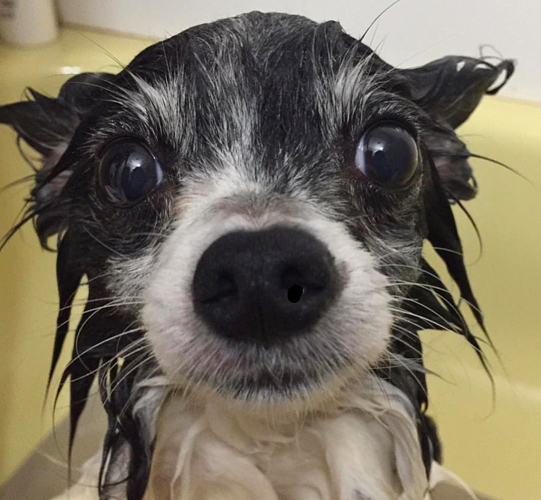
Separation anxiety is a common form of dog anxiety. As more dog parents return to work, their furry friends may have trouble getting comfortable when left alone at home.
Separation anxiety is not the same as boredom. If your pet doesn’t have enough mental stimulation, try chew puzzles and chew toys to stop the boredom. Excessive barking, destructive behaviors and aggression can be signs of separation anxiety.
5 Myths About Separation Anxiety
#1. Exercise is the cure. Not necessarily. Exercise is good for all dogs, but exercise alone is not always the cure for separation anxiety.
If your dog needs more than exercise, give her something to do before you leave. One source said to try a Kong stuffed with frozen treats.
Stuffed Kongs work so well because they give your dog something to do while you’re leaving, and take the focus off of you. Kongs are mentally stimulating, strong and and will hold your doggy’s attention.
#2. Crate training is the cure. Once again, crate training alone is not a guaranteed cure. Remember that your dog must feel comfortable with a crate. If not, leaving him in a crate while you’re away won’t cure his separation anxiety. He will feel trapped and can increase his anxiety.
If you want to leave you dog in a crate while you’re are work, train him properly. Try crate training games and make him feel the crate is a safe place.
#3. A second dog is the cure. You may think that this popular myth is the cure for your pet’s separation anxiety. Remember your dog’s anxiety is not from loneliness – her anxiety is from missing you.
Dogs learn from each other and your current dog can teach the second dog to be anxious when you leave.
You don’t need two dogs suffering from separation anxiety. And your dog may still have separation anxiety when you leave.
#4. Separation anxiety is just a phase. Your dog will experience different phases in her lifetime. But separation anxiety is progressive and can get worse over time. Intervene early to prevent the behavior before it gets out of hand.
Managing your pet’s anxiety means you need to change your dog’s negative association with you leaving. Positive change takes time and effort. Try to find the triggers that set off your pet’s anxiety and use desensitization methods.
#5. Once you manage it, it’s gone forever. Wishful thinking. Without regular maintenance, separation anxiety can return. Stress, changes in routines and even your added stress are examples of triggers that set off separation anxiety.
When anxiety returns, manage her separation anxiety with the same methods used the first time around. Use them whenever you see signs of your pet’s anxiety.
How to Help Your Pet’s Separation Anxiety
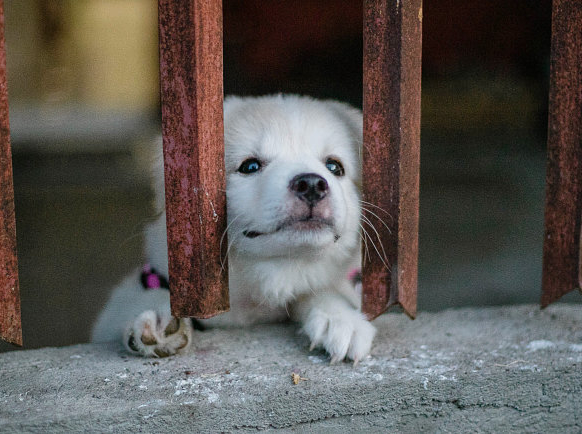
You can help your pet feel more self-confident using various behavior modification techniques. As you shift the focus away from you and toward treating the symptoms of separation anxiety (versus a diagnosis), she will feel safe when you’re away.
Helpful practices include:
- Never yell or use physical punishment on your pet when you come home to find a mess on the floor. Punishing your dog after the fact only exacerbates the problem.
- Try gentle petting before you leave for a short time. Another study revealed that gentle petting before leaving helped dogs stay calm and less stressed when their owner was away.
- Practice training your dog to relax during “separations” when you’re in one room and she’s in another. Move a short distance from her (while in the same room), return and reward her with a treat. Repeat at the same distance until she’s very relaxed. Gradually increase the distance until you’re almost out of the room. Give treats and praise when she stays relaxed and in place.
- Consider enrolling in a nose work class, which is a great way to help your dog build confidence.
- Ask your integrative veterinarian about calming nutraceuticals and herbs (valerian and rhodiola). Lion’s mane mushroom supplements have a profound calming effect that rivals some anti-anxiety medications.

Final Thoughts
Many pet parents may be happy to return to the workplace. But think about keeping your pet happy and calm when you’re away from home.
If your pet is very destructive when alone, find a pet sitter, enroll in doggy day care, or take her with you.
Sources: 5 Myths About Managing Separation Anxiety in Dogs
Understanding, Preventing, and Treating Dog Anxiety
The Great Misunderstanding About Separation Anxiety
12 Dog Breeds With The Worst Separation Anxiety Who Hate Being Left Alone
Anxiety In Dogs
Thanks for stopping by!
Dr. Pet Mom
“If having a soul means being able to feel love and loyalty and gratitude, then animals are better off than a lot of humans.”
–James Herriot
June Pet Awareness Days 🗓️
June is here and summer is in the air! 2021 is a year to engage in life again and another reason to celebrate the gift of love from our pets! Embrace your pet’s unbridled love to warm your heart!
Continue reading “June Pet Awareness Days 🗓️”Why I Volunteer for Pets in Need 🐱 🐶
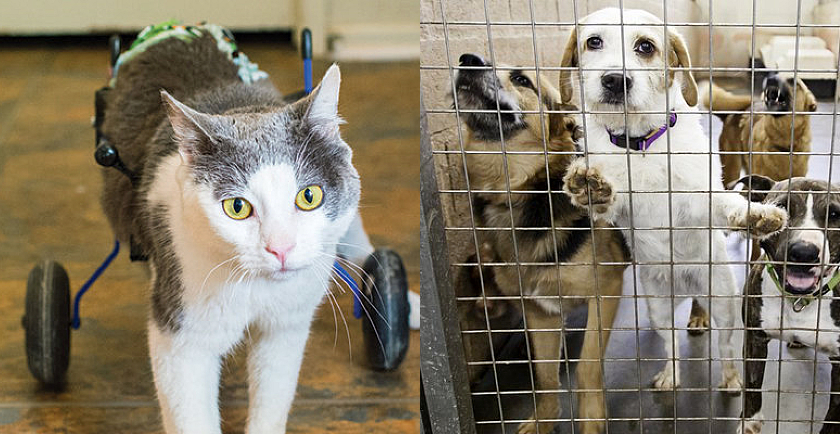
This week, I’m celebrating my volunteer work for animal rescue groups. Two years ago this week, I leaped back into the world of volunteering. I’m continuing my work with a local animal rescue group, Bay State Animal Cooperative (BSAC) in the greater Boston area. After I get my round of vaccinations, I can also return to socializing rescue dogs for the Shultz’s Guest House, another local nonprofit.
Continue reading “Why I Volunteer for Pets in Need 🐱 🐶”March Pet Awareness Days 🗓️
March is here and spring is in the air! We’re moving into Daylight Saving Time, looking forward to longer sunny days, and spending time with our furry family members outside.
All month long learn how to keep your pets safe from poison around the house, and celebrate a very special day, K-9 Veterans Day on March 13.
Continue reading “March Pet Awareness Days 🗓️”