

April 30 is National Arbor Day, a celebration of trees and promoting tree planting and care. I’m re-posting my 2019 blog about Dr. Wangari Maathai, the “tree lady of Africa” and Founder of the Green Belt Movement.
Continue reading “Celebrate “Tree Lady of Africa” on National Arbor Day 🥳”Category: Wellbeing
Pet Bird Adoption Tips 🦜
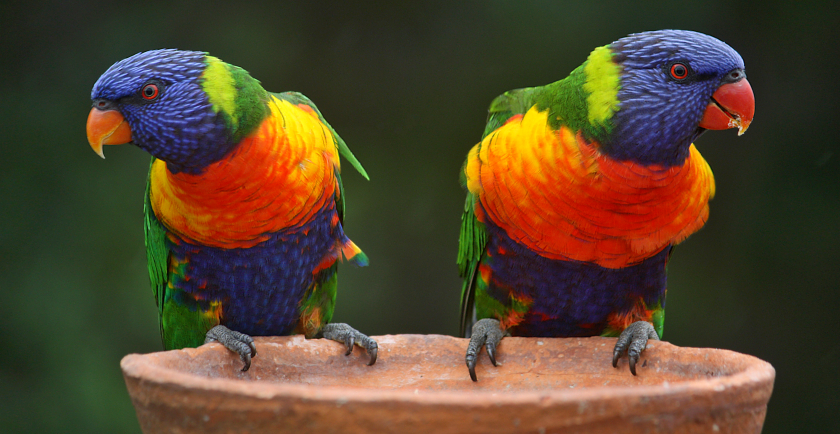
Nature is amazing and always in control. In the midst of our changing world, I remember that there is truly much beauty in the world.
Some of nature’s most beautiful animals are birds. It may not feel like spring time right now. But birds can bring beauty, color and song into your life.
Continue reading “Pet Bird Adoption Tips 🦜”Pet Diseases: How You Can Keep Your Pet Healthy 😷

We’re in the middle of the winter and the flu season. Flu is preventable if we avoid contact with sick people, avoid touching our mouth, nose and eyes, and wash our hands with soap and water.
As a pet parent, you can also prevent disease in your family pet. Pet diabetes, dental disease, and obesity are preventable. How can you keep your pet healthy all year?
Continue reading “Pet Diseases: How You Can Keep Your Pet Healthy 😷”February Pet Awareness Days 🗓️

February is a month right in the heart of winter. This month we’re celebrating how to train your dog, dental health for pets, and responsible pet ownership.
The biggest highlight of the month is usually the Westminster Kennel Club Annual Dog Show. But in 2022, the 146th Annual Westminster Kennel Club Dog Show is now scheduled for June 18-22, 2022, at the Lyndhurst Estate in Tarrytown, New York.
Another cool thing about the annual Westminster Kennel Club Dog Show is that each breed has an associated rescue group. Be there in person if you can, but the event will also be televised.
Continue reading “February Pet Awareness Days 🗓️”When Kitty Stops Using the Litter Box 🐱

As any cat parent knows, cats can be stubborn. Cats generally have five types of personalities.
Cats can be dominant and take over resources like toys or food. They can also be insecure, shy or skittish. Other cats are social butterflies and easy going. Some cats are spontaneous and respond differently in any situation. Finally, cats can be curious or nosy.
Whatever type of personality, your cat communicates in her own way. She sends a message when she leaves you a clue outside the litter box.
Continue reading “When Kitty Stops Using the Litter Box 🐱”January Pet Awareness Days 🗓️
Welcome to 2022! January is a time for fresh starts and new beginnings. It’s a month to walk your dog, change a pet’s life and rescue a bird.
All month long you can train your pet and celebrate a special anniversary for Seeing Eye Guide Dogs on January 29.
A list of January animal awareness days include:
Continue reading “January Pet Awareness Days 🗓️”How To Avoid Buying The Wrong Pet Toy Gifts 🎁

The holiday season is in full swing! And there is still time to find the perfect pet toys for your pets. Do you know how to toy shop for your pet? Here’s my holiday pet parent shopping tip: Shop with a pet strategy in mind.
Continue reading “How To Avoid Buying The Wrong Pet Toy Gifts 🎁”Pets For Life in Pet Service Deserts 🐱 🐶 🐇 🦜

Have you ever heard of a pet service desert? It’s a community where services for pets are not available or affordable. Families in pet service deserts live in low-income areas. But the Humane Society of the US (HSUS) Pets For Life (PFL) program is working to close the gap in pet wellness services.
Continue reading “Pets For Life in Pet Service Deserts 🐱 🐶 🐇 🦜”Interview: Marty’s Place Senior Dog Sanctuary Founder, Doreen Jakubcak 🐶

In celebration of Adopt A Senior Pet Month in November, I’m re-posting my interview about Marty’s Place Senior Dog Sanctuary. Enjoy!
The month of November feels like the true holiday season has arrived! This month, we celebrate National Senior Pet Month and the ASPCA’s Adopt a Senior Pet Month. Senior pets are as gentle, loving, and loyal as any younger pet.
In celebration of all senior pets, I’m happy to share my interview with Founder and Director, Doreen Jakubcak. Out of love for Marty, a rescue dog who forever changed her life, Doreen created a wonderful and loving home for senior pets called Marty’s Place Senior Dog Sanctuary.
Continue reading “Interview: Marty’s Place Senior Dog Sanctuary Founder, Doreen Jakubcak 🐶”Cure College Campus Blues: Try Therapy Dogs 🐶

School can be fun, but stress is a way of life for most college and university students. Long days of classes and studying can challenge your well being. But time spent with a furry friend can turn a frown upside down. And smiles and joy will do wonders for our mental health!
Continue reading “Cure College Campus Blues: Try Therapy Dogs 🐶”