Dogs love the great outdoors! Pet parents and their furry pets can now enjoy the outdoors safely together. Try a doggy campground designed for canines and their human caregivers.
You won’t find a description of a doggy campground in Wikipedia, but these safe doggy spaces are popping up around the country.
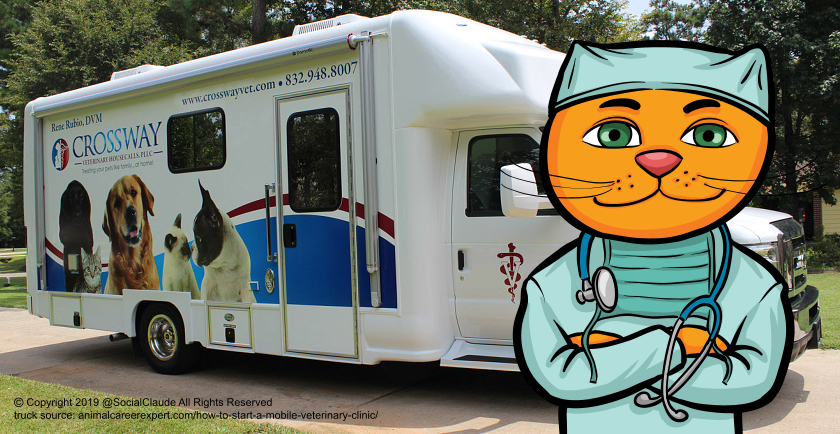
In the United States alone, over 393.3 million are living in their forever homes. Worldwide, over 1.1 billion pets live with their pet families. Pets need veterinary care and mobile veterinary clinics are stepping up to fill the gap.
Mobile clinics give veterinarians the benefit of running a business. And pet parents everywhere are taking notice of alternatives to the traditional veterinary clinics as the only source for pet care.
Hello! Welcome to the July edition of Dr. Pet Mom’s Delightful Pet Menagerie (DPM) Newsletter. This month is all about CBD and your pet.
Summertime can be fun time for many pets. But if your pet struggles with anxiety, chronic pain, or other health conditions, you may be thinking about CBD as a solution. This month’s mini FAQ about CBD can help you and your pet.
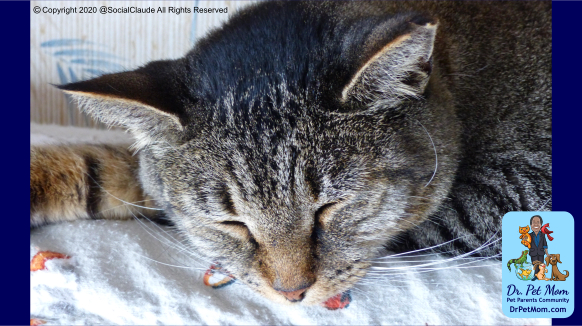
Cats like their alone time. And they like to be social. Cats don’t like to be bored. Let’s face it, people still think cats are mysterious, aloof and not affectionate. People also think living with a cat is easier than living with a dog…
But cat pet parents know differently. Your cat will let you know when (and if) she wants to play, socialize or just wants her alone time. It’s about the quality of life you share with your kitty.
Summer is outdoor time for people and pets. Cats might get excited about summer. Unsure if indoor cats really feel the need to wander outdoors in the good weather (or if that’s what their pet parents think they feel.)
Either way, if you let your kitties out for some fun in the sun, be aware of those summer dangers: Bug bites, UV exposure and parasites.
July is in full swing. Pets and pet parents are spending more time outside. This month is about keeping a pet first aid kit for home and travel. July is also Lost Pet Prevention Month.
You’re a good pet parent and try to keep your pet safe and away from danger. But sometimes a cat jumps the fence. Sometimes a dog escapes through an open door.
Hello! Welcome to the June edition of Dr. Pet Mom’s Delightful Pet Menagerie (DPM) Newsletter. This month is all about pet emergencies and pet first aid.
Summer is in the air! If you make time to spend with your pets outdoors, keep them safe. Learn more about pet first aid and how to manage pet emergencies.
Separation anxiety is a growing worry for pet parents returning to the workplace. During the 2020 lock down, loving families adopted cats and dogs from rescue and shelter organizations.
One study revealed four types of separation anxiety. The best solution is to treat these four underlying reasons rather than see separation anxiety as a diagnosis.
The four main areas of distress are:
A form of boredom
Reacting to external noises or events
Trying to get away from something in the house
Wanting to get to something outside
Pet separation anxiety may be caused by incomplete or unsuccessful/traumatic puppy socialization, and underlying frustrations.
The study explained that pet separation anxiety was considered to be a single condition. Dependency on the owner was the cause and the cure was to make the dog more independent.
But the study suggested that separation anxiety is actually a symptom (elimination, destruction, excessive vocalization) resulting from many possible causes and many forms. Potential treatments should be very focused on an individual symptom.
Signs of Pet Anxiety: Cats and Dogs
Dogs and cats suffer from anxiety. Signs to watch for include:
Cat anxiety: Excessive meowing, aggressive behavior, hiding, vomiting, lethargy, peeing outside the litter box and following you around the house.
Dog anxiety: Panting, drooling, aggression, pacing, depression, destructive behavior, and pee or poop around the house.
Pet anxiety can result from loud noises, a new pet, feeling stress from you or other triggers in your pet’s environment.
source: pupniron.com
Separation Anxiety
Separation anxiety is a common form of dog anxiety. As more dog parents return to work, their furry friends may have trouble getting comfortable when left alone at home.
Separation anxiety is not the same as boredom. If your pet doesn’t have enough mental stimulation, try chew puzzles and chew toys to stop the boredom. Excessive barking, destructive behaviors and aggression can be signs of separation anxiety.
5 Myths About Separation Anxiety
#1. Exercise is the cure. Not necessarily. Exercise is good for all dogs, but exercise alone is not always the cure for separation anxiety.
If your dog needs more than exercise, give her something to do before you leave. One source said to try a Kong stuffed with frozen treats.
Stuffed Kongs work so well because they give your dog something to do while you’re leaving, and take the focus off of you. Kongs are mentally stimulating, strong and and will hold your doggy’s attention.
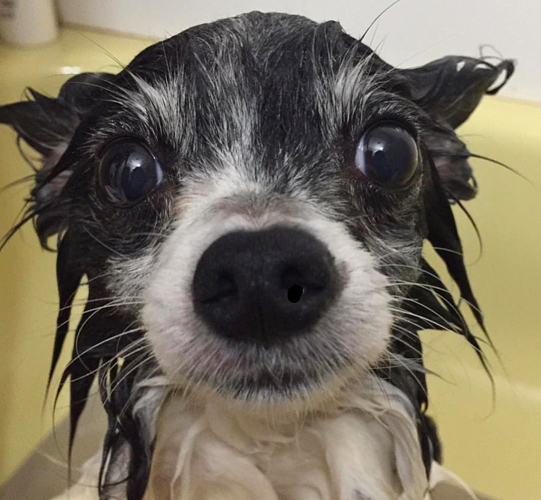
Oscar (photo by @SocialClaude)
#2. Crate training is the cure. Once again, crate training alone is not a guaranteed cure. Remember that your dog must feel comfortable with a crate. If not, leaving him in a crate while you’re away won’t cure his separation anxiety. He will feel trapped and can increase his anxiety.
If you want to leave you dog in a crate while you’re are work, train him properly. Try crate training games and make him feel the crate is a safe place.
#3. A second dog is the cure. You may think that this popular myth is the cure for your pet’s separation anxiety. Remember your dog’s anxiety is not from loneliness – her anxiety is from missing you.
Dogs learn from each other and your current dog can teach the second dog to be anxious when you leave.
You don’t need two dogs suffering from separation anxiety. And your dog may still have separation anxiety when you leave.
#4. Separation anxiety is just a phase. Your dog will experience different phases in her lifetime. But separation anxiety is progressive and can get worse over time. Intervene early to prevent the behavior before it gets out of hand.
Managing your pet’s anxiety means you need to change your dog’s negative association with you leaving. Positive change takes time and effort. Try to find the triggers that set off your pet’s anxiety and use desensitization methods.
#5. Once you manage it, it’s gone forever. Wishful thinking. Without regular maintenance, separation anxiety can return. Stress, changes in routines and even your added stress are examples of triggers that set off separation anxiety.
When anxiety returns, manage her separation anxiety with the same methods used the first time around. Use them whenever you see signs of your pet’s anxiety.
How to Help Your Pet’s Separation Anxiety
You can help your pet feel more self-confident using various behavior modification techniques. As you shift the focus away from you and toward treating the symptoms of separation anxiety (versus a diagnosis), she will feel safe when you’re away.
Helpful practices include:
Never yell or use physical punishment on your pet when you come home to find a mess on the floor. Punishing your dog after the fact only exacerbates the problem.
Try gentle petting before you leave for a short time. Another study revealed that gentle petting before leaving helped dogs stay calm and less stressed when their owner was away.
Practice training your dog to relax during “separations” when you’re in one room and she’s in another. Move a short distance from her (while in the same room), return and reward her with a treat. Repeat at the same distance until she’s very relaxed. Gradually increase the distance until you’re almost out of the room. Give treats and praise when she stays relaxed and in place.
Consider enrolling in a nose work class, which is a great way to help your dog build confidence.